


Fishing Hooks Guide – Sizes, Types & Best Use | Maimun Fishing & Tackles Ltd
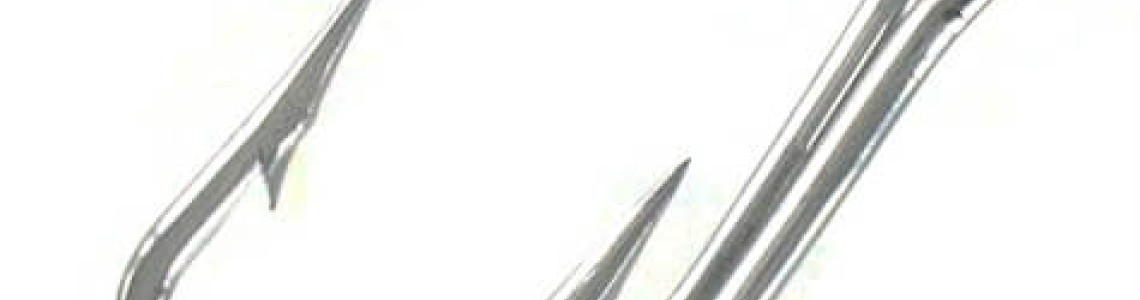
Understanding Fishing Hooks: Sizes, Types, and Best Use Cases in Kenya
Fishing hooks are the most essential component in any angler’s tackle collection. Whether you fish in Lake Victoria, Naivasha, Tana River, or along the Indian Ocean near Mombasa and Kilifi, selecting the right hook type and size can determine your success. Choosing the wrong hook can lead to missed bites, lost fish, or damaged bait.
This guide explores fishing hooks in Kenya, including their types, sizes, durability, best use cases, and tips for freshwater, marine, and aquaculture fishing.
Fishing Hooks in Kenya
Fishing hooks come in a wide variety of designs, materials, and coatings to suit different species, water conditions, and angling methods.
Common Hook Types:
J-Hooks: Classic design for general freshwater fishing
Circle Hooks: Ideal for catch-and-release; reduce gut-hooking
Treble Hooks: Three points, used with lures and hard baits
Octopus Hooks: Short shank, wide gape, good for live or cut bait
Baitholder Hooks: Extra barbs hold soft baits securely
Materials & Coatings:
Stainless steel: Rust-resistant, durable
High-carbon steel: Sharp and strong, requires maintenance
Bronze-coated: Moderate corrosion resistance
Black/Nickel coatings: Saltwater resistant
Shop Fishing Hooks & Accessories
Uses of Fishing Hooks in Kenya
1. Freshwater Fishing
Hooks target:
Tilapia
Trout
Catfish
Small Nile perch
Tip: Match hook size to species and bait type for maximum efficiency.
2. Saltwater Fishing
Along the Kenyan coast:
Reef fish
Kingfish
Barracuda
Snapper
Tip: Use corrosion-resistant hooks in saltwater to prevent rust.
3. Fly Fishing
For rivers, dams, and streams:
Wet flies
Dry flies
Terrestrials
4. Aquaculture Applications
In ponds and tanks:
Fish stock sampling
Harvesting small quantities
Managing broodstock safely
Tip: Use smaller, rounded hooks to reduce injury in aquaculture settings.
Hook Sizes Explained
Fishing hooks in Kenya are numbered from small (#14) to large (6/0+):
| Size | Best Use Case |
|---|---|
| #12–#4 | Tilapia, trout, small freshwater species |
| #1–#1/0 | Catfish, juvenile Nile perch, medium freshwater fish |
| #2/0–#6/0+ | Saltwater species: kingfish, barracuda, large Nile perch |
Pro Tip: Use the smallest hook suitable for your target species to maximize bites.
Types of Fishing Hooks and Best Use Cases
| Hook Type | Description | Best Use |
|---|---|---|
| J-Hook | Standard curved hook | General freshwater, live bait |
| Circle Hook | Rounded shape, hooks in mouth | Catch-and-release, live or cut bait |
| Treble Hook | Three-pointed | Lures, spoons, crankbaits, not ideal for release |
| Octopus Hook | Short shank, wide gap | Live bait, freshwater species |
| Baitholder Hook | Extra barbs | Tilapia, trout, soft baits |
Durability of Fishing Hooks
Durability depends on material, coating, and storage:
Stainless steel: Corrosion-resistant, ideal for freshwater and saltwater
High-carbon steel: Sharp and strong; prone to rust if not maintained
Bronze or nickel coatings: Improve resistance to corrosion
Storage: Dry, ventilated tackle boxes with anti-rust inserts extend hook life
How to Store Fishing Hooks
Keep hooks in dry, ventilated compartments
Separate by type and size
Use silica gel or anti-rust strips
Lightly oil saltwater hooks
Inspect hooks regularly and replace damaged or rusted ones
Cost of Fishing Hooks in Kenya
Small freshwater hooks: KES 50 – 150
Medium hooks for tilapia, trout, catfish: KES 150 – 500
Premium or specialized hooks: KES 500 – 2,000+
Tip: Buy from reputable suppliers like Maimun Fishing & Tackles Ltd for durability and corrosion resistance.
Why Choose Maimun Fishing & Tackles Ltd?
Wide selection of hooks and accessories for freshwater, saltwater, and aquaculture
Durable, high-quality products
Expert guidance for beginners and professionals
Countrywide delivery in Kenya
Trusted supplier for East African anglers
Store & Delivery Information
Maimun Fishing & Tackles Ltd supplies fishing equipment across Kenya.
Location: Karen Rd, Nairobi
Phone: +254 731 793 572 / +254 753 110 021
Store Hours: Monday – Saturday: 8:00 AM – 6:00 PM
Delivery Coverage
- Nairobi
- Kisumu
- Mombasa
- Naivasha
- Nakuru
- Eldoret
Leave a Comment