


Monofilament Fishing line vs Braided Fishing Line
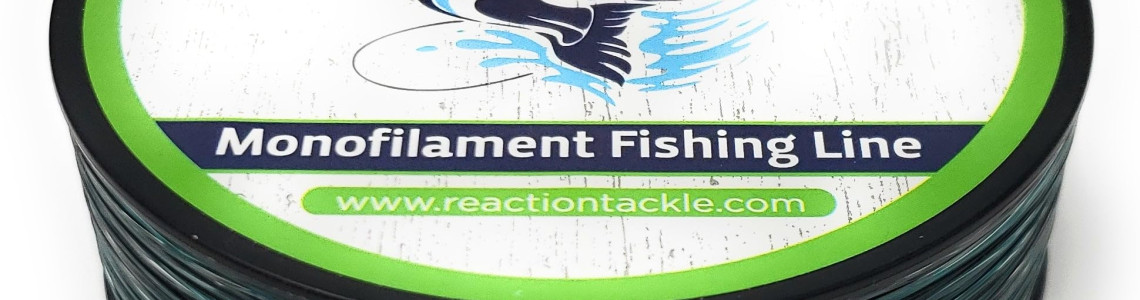
Fishing lines are available in different materials and designs. The two common types are monofilament and braided fishing lines. They differ in construction, strength, stretch, visibility and application.
Monofilament Fishing Line vs Braided Fishing Line
Fishing lines are available in different materials and designs. The two common types are monofilament and braided fishing lines. They differ in construction, strength, stretch, visibility and application.
1. Monofilament Fishing Line
Monofilament line is made from a single strand of nylon material. It is flexible, relatively affordable and has some stretch, which helps absorb sudden movements from fish. It is commonly used for general freshwater and saltwater fishing.
2. Braided Fishing Line
Braided line is made by weaving several thin synthetic fibres together. It offers high strength, a smaller diameter for its strength and very little stretch. It is suitable for targeting larger fish, fishing in heavy vegetation and deep-water fishing.
Key differences
Feature | Monofilament | Braided |
|---|---|---|
Construction | Single nylon strand | Multiple woven fibres |
Strength | Moderate | High for its diameter |
Stretch | High | Very low |
Diameter | Thicker | Thinner for similar strength |
Visibility | Usually more visible | Available in many colours |
Flexibility | Very flexible | Flexible but less elastic |
Knot tying | Relatively easy | Requires suitable knots |
Abrasion resistance | Generally good | Varies by braid construction |
Price | Usually cheaper | Usually more expensive |
Memory | More prone to line memory | Generally less memory |
Where each type is applicable
Monofilament fishing line:
General freshwater fishing.
Tilapia and other small to medium-sized fish.
Float and hook fishing.
Beginners and recreational anglers.
Fishing situations where stretch is beneficial.
Braided fishing line:
Catching large and powerful fish such as Nile perch and catfish.
Deep-water fishing.
Fishing around weeds and aquatic vegetation.
Long-distance casting.
Situations requiring high sensitivity and strong hook-setting performance.
Which one should you choose
Monofilament
Best for general fishingAffordable, versatile and easy to use.
Braided
Best for heavy-duty fishingStrong, sensitive and low-stretch.
Conclusion: Monofilament fishing line is ideal for everyday fishing because it is affordable, flexible and easy to handle. Braided fishing line is better when higher strength, sensitivity and a smaller line diameter are required. The best choice depends on the fish species, fishing environment and fishing technique.
Published
About Maimun Fishing Tackles. Serving Kenya's fishing community since 1975 (founded as Asma & Sons in Old Town Mombasa) — fishing tackle, nets, aquaculture equipment and farm netting, with branches in Mombasa (Nehru Road), Nairobi (Darosa Plaza, Karen Road), Malindi and Naivasha. Questions about this guide? Call or WhatsApp +254 706 903 465 or email [email protected].
Leave a Comment