


Importance of Having Life Jackets
02 Oct
Posted By
0 Comment(s)
1 View(s)
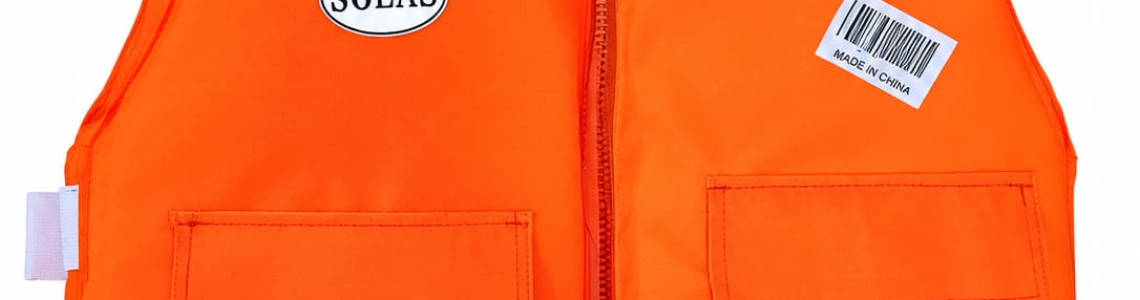
A life jacket—or personal flotation device (PFD)—is a buoyant vest designed to keep a person afloat and their head above water.
Types of Life Jackets and Where They Apply
Life jackets are classified into types or Newton (N) buoyancy levels depending on water conditions, activities, and safety requirements:
- Type I / Level 150N–275N (Offshore & Extreme Conditions): Designed for open seas, rough weather, and commercial or professional use. They provide maximum buoyancy and automatically turn an unconscious person face-up in the water.
- Type II / Level 100N (Near-Shore): Applicable for calm, inland, or sheltered coastal waters where quick rescue is likely. They can turn an unconscious wearer face-up, though slower than Type I.
- Type III / Level 50N (Recreational & Water Sports): Used for supervised activities like kayaking, canoeing, sailing, and water skiing on calm waters. They offer great comfort and freedom of movement, but do not turn an unconscious person face-up.
- Type IV (Throwable Devices): Ring buoys or square cushions meant to be thrown to a person in the water, not worn. Required on vessels 16 feet and longer.
- Type V (Special-Use Devices): Restricted to specific activities like deck suits, hybrid inflatables, or kayaking vests; they must be worn during the specific activity to count toward compliance.
General Application and Regulations
- On Vessels: Standard maritime rules require one properly sized, accessible wearable life jacket for every person on board any motorized or non-motorized watercraft.
- Specific Activities: Compulsory usage typically applies to personal watercraft (jet skis), towed water sports, small children (usually under 13), and during hazardous weather or night operations.
Leave a Comment