


CAGE NETS
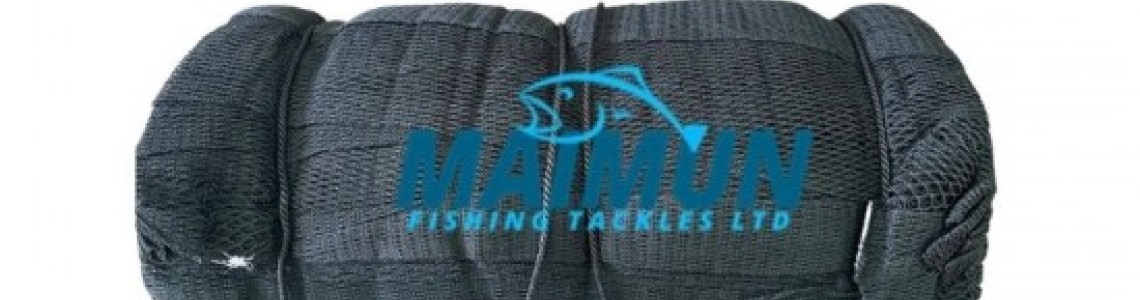
Cage Net in Fish Cage Farming
A cage net is a strong, flexible netting material used to enclose fish within a floating or fixed cage while allowing water to flow freely through the cage. It forms the walls and sometimes the bottom and cover of a fish cage.
Importance of cage nets
Contain fish: Prevents farmed fish from escaping while allowing water exchange.
Protect fish: Helps reduce predation by birds, mammals, and other fish when properly designed.
Allows water exchange: Good water circulation supplies oxygen and removes wastes.
Supports fish health: Appropriate mesh size reduces injury and improves water quality around the fish.
Facilitates feeding and harvesting: Fish remain concentrated in a manageable area.
Provides structural protection: Strong nets withstand currents, waves, fish activity, and handling.
Controls fish size: Appropriate mesh size prevents smaller fish from escaping.
Where cage nets are applicable
Cage nets are used in freshwater, brackish-water, and marine aquaculture, including:
Lakes and reservoirs
Rivers and dams with suitable water flow
Coastal waters and sheltered bays
Ponds and other water bodies
Offshore marine cage farms
They are commonly used for species such as tilapia, catfish, trout, salmon, sea bass, and other cultured fish. The choice of net depends on the species, fish size, water conditions, cage design, and predator pressure.
Leave a Comment