


ANGLERS PLIERS
04 Aug
Posted By
1 Comment(s)
36 View(s)
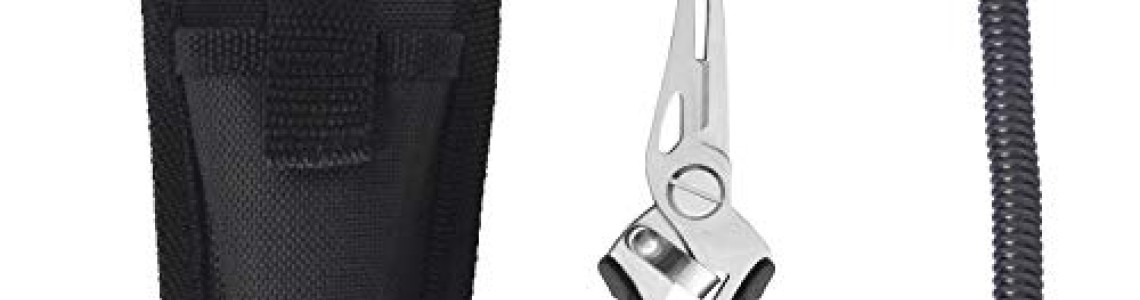
An angler's pliers (or fishing pliers) are multi-functional handheld tools specifically designed to help fishermen safely remove hooks, cut tough lines, and manage terminal tackle. Unlike standard household pliers, they feature extended, corrosion-resistant jaws to reach deep into a fish's mouth while braving harsh saltwater and freshwater conditions.
Key Functions of Fishing Pliers
- Hook Removal: Long, thin needle-nose jaws grip and safely pull deeply embedded hooks out of fish without harming the catch.
- Line Cutting: Built-in, high-hardness cutters (often made of tungsten carbide) cleanly slice through tough braided lines, monofilament, and wire leaders.
- Split Ring Opening: A specialized "tooth" at the very tip of the jaw wedges open tiny split rings so anglers can quickly replace worn-out treble hooks or lures.
- Crimping & Tuning: Integrated grooves are used to crimp split shot weights, smash hook barbs down, and tune the metal wire or eyes on lures
Angler's pliers are an essential fishing tool because they make fishing safer, easier, and more efficient. Their importance includes:
- Safe hook removal – They help remove hooks from a fish's mouth without injuring your hands or the fish.
- Cutting fishing line – Many angler's pliers have built-in cutters for trimming monofilament, fluorocarbon, or braided fishing lines.
- Changing hooks and lures – They can open split rings, making it easier to replace hooks and attach lures.
- Crimping – They are used to crimp sleeves, sinkers, and fishing leaders securely.
- Handling sharp objects – They provide a firm grip when handling hooks, swivels, and other small tackle, reducing the risk of injury.
- Straightening hooks – They can be used to bend or straighten hooks that have become slightly deformed.
- Improving efficiency – Having one multi-purpose tool saves time and makes fishing more convenient, especially in challenging conditions.
- Corrosion resistance – Most angler's pliers are made from stainless steel, aluminum, or titanium, making them durable and suitable for both freshwater and saltwater fishing.
1 Comment(s)
SMTEST-725907 Discounts for Hotel Reservations from Luxury Hotels
Leave a Comment