


pH Meter: An Accurate Water Quality Measuring Tool
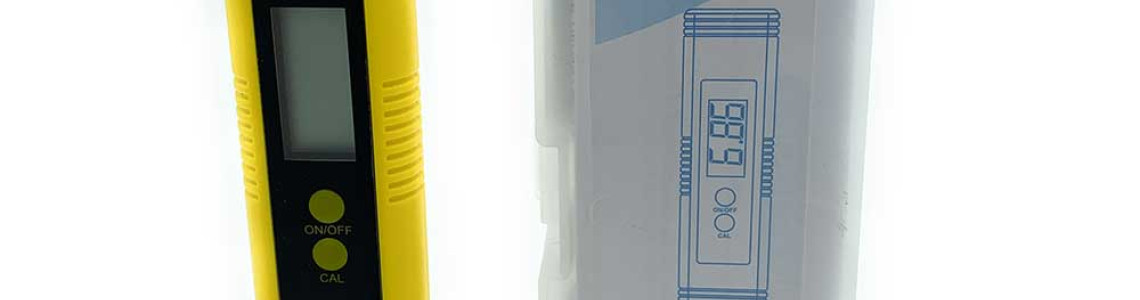
A pH meter is an electronic tool that measures how acidic or basic a liquid is on a scale of 0 to 14. A specialised glass probe senses hydrogen ion changes, a reference electrode provides a stable baseline voltage, and a voltmeter converts the electrical difference into a reading shown on a digital screen.
A pH meter is an electronic tool used to measure how acidic or basic a liquid is on a scale from 0 to 14. It works by reading the voltage of hydrogen ions in a solution using a specialized probe and shows the number on a digital screen.
How It Works and Main Parts
- Glass Probe: The delicate tip that touches the liquid and senses ion changes.
- Reference Electrode: Provides a stable baseline voltage for comparison.
- Voltmeter: Converts the electrical difference into a readable pH number.
- Scale: 7 is neutral, below 7 is acidic, and above 7 is basic (alkaline).
Common Uses
- Agriculture & Hydroponics: Checking soil water runoff or nutrient solutions for plant health.
- Water Treatment: Monitoring drinking water safety or wastewater.
- Food & Drink: Testing ferments, cheese, beer, or soil-less food production.
- Laboratories: Running exact chemical and biological tests.
Care and Use Tips
- Calibrate Regularly: Use standard buffer solutions (usually pH 4, 7, and 10) to keep readings exact.
- Keep It Wet: Never let the glass bulb dry out; store it in the proper storage solution.
- Rinse Gently: Wash the tip with pure distilled water between tests without rubbing the glass.
Published · Updated
About Maimun Fishing Tackles. Serving Kenya's fishing community since 1975 (founded as Asma & Sons in Old Town Mombasa) — fishing tackle, nets, aquaculture equipment and farm netting, with branches in Mombasa (Nehru Road), Nairobi (Darosa Plaza, Karen Road), Malindi and Naivasha. Questions about this guide? Call or WhatsApp +254 706 903 465 or email [email protected].
Leave a Comment