


Top Fishing Techniques Used by Professional Anglers in Kenya
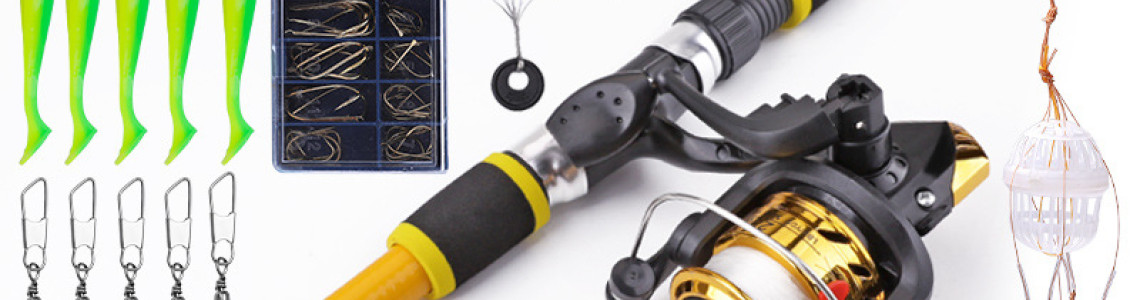
Fishing Techniques in Kenya and Their Importance
Fishing techniques in Kenya refer to the specialized methods used by professional anglers and aquaculture operators to catch fish efficiently in lakes, rivers, and the Indian Ocean. These techniques are essential for improving catch rates, supporting commercial fishing, and strengthening Kenya’s aquaculture economy.
Kenya’s fishing industry is supported by major water bodies such as Lake Victoria, Lake Naivasha, Lake Turkana, and the Indian Ocean coastline from Mombasa to Malindi. Professional anglers rely on structured techniques rather than random casting. These methods improve efficiency, reduce fuel and time costs, and increase fish yield for both commercial and subsistence fishing.
Companies like Maimun Fishing & Tackles Ltd (MFT) supply critical equipment such as rods, reels, lures, hooks, lines, and nets that enable these techniques. Whether targeting tilapia in inland waters or tuna in deep sea fishing zones, equipment choice directly determines success.
What Are Professional Fishing Techniques in Kenya?
Professional fishing techniques are structured methods used to locate, attract, and catch fish using specialized gear such as rods, reels, lures, nets, and bait systems designed for specific species and water conditions.
In Kenya, these techniques are shaped by:
- Water type (freshwater vs saltwater)
- Fish species (tilapia, Nile perch, tuna, marlin)
- Depth and current conditions
- Equipment availability
Common professional techniques include:
- Trolling
- Jigging
- Spinning
- Fly fishing
- Bottom fishing
- Lure casting
Each method requires specific gear categories such as fishing reels, fishing lures, and fishing lines, which are widely available at fishing supply stores like MFT.
Trolling Fishing in Kenya
Trolling is a fishing technique where baited lines or lures are dragged behind a moving boat to attract predatory fish such as tuna, marlin, and Nile perch.
How Trolling Works
Trolling involves moving a boat at a controlled speed while dragging fishing lines at different depths. The movement of lures mimics injured prey, attracting predatory fish.
Applications in Kenya
- Deep sea fishing in Mombasa and Malindi
- Lake Victoria for Nile perch
- Offshore commercial fishing
Key Equipment
- Strong fishing reels with high drag capacity
- Deep-diving lures
- Braided fishing lines
- Rod holders for boats
Advantages
- Covers large fishing areas
- High success rate for predator fish
- Suitable for commercial fishing
Limitations
- Requires a boat and fuel
- Higher operational cost
Jigging Fishing Technique
Jigging is a vertical fishing method where weighted lures are dropped and rapidly retrieved to imitate wounded fish, attracting deep-water predators.
How Jigging Works
Anglers drop a metal jig to the bottom and jerk it upward in controlled motions. This creates flash and vibration that attracts fish.
Use in Kenya
- Deep waters of Lake Victoria
- Offshore Indian Ocean zones
- Rocky underwater structures
Equipment Used
- Heavy-duty rods
- Metal jigs (various weights)
- Strong braided lines
- High-speed reels
Advantages
- Effective in deep waters
- Targets large fish species
- Works even in low visibility
Limitations
- Physically demanding
- Requires skill in rhythm control
Spinning Fishing Technique
Spinning is a casting technique where artificial lures are cast and retrieved to simulate small fish or insects, attracting fish in freshwater and coastal areas.
How Spinning Works
The angler casts a lure using a spinning reel and retrieves it at varying speeds to attract fish.
Popular Areas in Kenya
- Lake Naivasha
- Nairobi dam areas
- Coastal creeks and estuaries
Equipment
- Spinning rods
- Light to medium reels
- Soft plastic lures or spoons
- Monofilament or braided lines
Advantages
- Beginner-friendly
- Versatile across fish species
- Affordable setup
Fly Fishing in Kenya
Fly fishing is a specialized technique where lightweight artificial flies are cast using a fly rod to mimic insects on the water surface.
Application
Fly fishing is mostly used in:
- Lake Naivasha
- Aberdare streams
- High-altitude rivers
Equipment
- Fly rods
- Floating lines
- Artificial flies
- Waders for shallow water
Advantages
- Highly selective fishing
- Sport-oriented technique
- Minimal environmental impact
Limitations
- Requires advanced skill
- Limited to specific environments
Bottom Fishing Technique
Bottom fishing involves dropping baited hooks to the seabed or lakebed to target bottom-dwelling fish species.
How It Works
The bait is anchored at the bottom using weights, attracting fish such as groupers, catfish, and snapper.
Kenyan Use Cases
- Coastal Kenya (Mombasa reefs)
- Lake Victoria deep zones
Equipment
- Weighted rigs
- Strong hooks
- Durable fishing lines
- Bait such as squid or fish cuts
Advantages
- Simple and effective
- Suitable for commercial catches
- Works in deep waters
Lure Fishing Methods in Kenya
Lure fishing uses artificial bait designed to imitate fish movement, triggering predatory instincts in target species.
Types of Lures
- Soft plastic lures
- Crankbaits
- Spinnerbaits
- Surface poppers
Where It Is Used
- Nairobi dam fishing spots
- Lake Victoria
- Coastal fishing zones
Benefits
- Reusable bait
- High efficiency for predator fish
- Reduces dependency on live bait
Comparison of Fishing Techniques in Kenya
| Technique | Best Location | Target Species | Skill Level | Cost |
|---|---|---|---|---|
| Trolling | Deep sea / Lake Victoria | Tuna, Nile perch | Advanced | High |
| Jigging | Offshore / Deep lakes | Kingfish, snapper | Advanced | Medium |
| Spinning | Lakes / Rivers | Tilapia, bass | Beginner | Low |
| Fly Fishing | Rivers / Naivasha | Trout | Expert | Medium |
| Bottom Fishing | Coastal / Deep lakes | Catfish, grouper | Intermediate | Low |
| Lure Fishing | Mixed waters | Predators | Beginner–Advanced | Low–Medium |
Commercial Fishing vs Recreational Fishing in Kenya
Commercial Fishing
Commercial fishing focuses on maximizing fish harvest for sale using efficient large-scale techniques like trolling, netting, and bottom fishing.
- Uses large boats
- High-capacity gear
- Focus on export and market supply
Recreational Fishing
Recreational fishing is sport-based and focuses on enjoyment, skill development, and catch-and-release practices.
- Lightweight gear
- Focus on technique and experience
- Popular among Nairobi hobby anglers
Aquaculture Applications of Fishing Techniques
In aquaculture, fishing techniques are adapted for controlled environments like fish ponds and cages to monitor stock, harvest fish, and manage feeding.
Key Uses
- Harvesting tilapia from fish cages
- Monitoring fish health
- Controlling fish population density
Aquaculture systems in Kisumu and Homabay heavily rely on structured netting and cage systems supported by professional fishing gear.
Where to Buy Fishing Equipment in Kenya
Fishing equipment in Kenya can be purchased from specialized suppliers like Maimun Fishing & Tackles Ltd (MFT), online stores, and select hardware shops in major towns.
MFT Store Information (Placeholder)
Location: Karen Road, Nairobi, Kenya
Phone: +254 XXX XXX XXX
Hours: Mon–Sat 8:00 AM – 6:00 PM
Online Store
- https://shop.mft.co.ke/
- Wide range of rods, reels, lures, and fishing accessories
FAQs: Fishing Techniques in Kenya
1. What is the most effective fishing technique in Kenya?
Trolling is the most effective for deep-sea fishing, while spinning works best in freshwater lakes.
2. What equipment is needed for lure fishing in Nairobi?
You need a spinning rod, lures, and monofilament or braided fishing line.
3. Is jigging suitable for beginners?
No, jigging requires experience due to its physical and technical demands.
4. Where is fly fishing popular in Kenya?
Lake Naivasha and highland river systems are the most popular fly fishing locations.
5. What fish are caught using bottom fishing?
Catfish, snapper, and groupers are commonly targeted.
6. Can I do fishing as a business in Kenya?
Yes, commercial fishing is a growing industry along Lake Victoria and coastal regions.
7. What is the cheapest fishing technique?
Spinning and lure fishing are the most affordable entry-level methods.
Leave a Comment