


Tilapia Hatchery in Kenya: Equipment & Layout
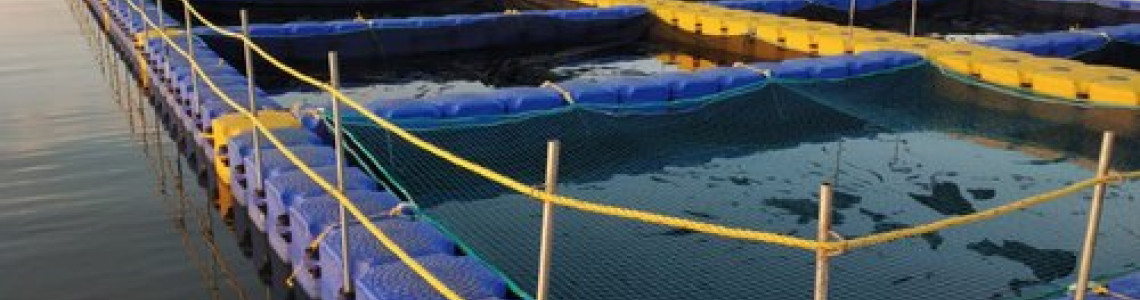
Building a Successful Tilapia Hatchery in Kenya
Setting up a tilapia hatchery in Kenya requires careful planning, the right equipment, and a well-designed production layout. A successful hatchery is not only about breeding fish; it involves creating controlled conditions where broodstock can reproduce, eggs can develop, and fingerlings can grow safely before transfer to grow-out ponds or cages.
Tilapia farming continues to expand across Kenya due to increasing demand for affordable fish protein and opportunities for commercial aquaculture. However, many farmers struggle with inconsistent fingerling supply because they depend entirely on external sources.
A properly designed hatchery allows farmers to:
- Produce their own fingerlings
- Control breeding schedules
- Improve stocking quality
- Reduce transport stress
- Build a more reliable fish farming operation
A functional tilapia hatchery requires:
- Broodstock management areas
- Hatching systems
- Nursery facilities
- Hapa nets
- Water management systems
- Grading equipment
- Fish handling tools
For farmers developing hatchery systems, MFT Kenya provides aquaculture solutions including HDPE pond liners and related fish farming materials for lined tanks, ponds, and water management applications.
Why Start a Tilapia Hatchery in Kenya?
A tilapia hatchery gives farmers greater control over fingerling production, reducing dependence on outside suppliers and improving the consistency of fish stocking. With proper equipment and management, hatcheries can become profitable aquaculture businesses.
The main advantages include:
- Reliable fingerling supply
- Better control of fish genetics
- Reduced stocking delays
- Commercial fingerling sales opportunities
- Improved farm planning
Farmers operating grow-out ponds often face challenges when fingerlings are unavailable at the right time. A hatchery solves this problem by creating a continuous production system.
Understanding Tilapia Hatchery Production
A tilapia hatchery has several production stages.
Broodstock Management
Broodstock are mature fish selected for breeding.
Good broodstock should have:
- Healthy body condition
- Fast growth characteristics
- Good survival history
- Disease-free status
The quality of broodstock directly affects fingerling performance.
Breeding Stage
During breeding, male and female tilapia are managed under controlled conditions.
Important factors include:
- Water quality
- Stocking ratios
- Feeding
- Temperature
- Oxygen levels
Proper management encourages successful spawning.
Egg and Fry Development
After breeding, eggs and young fish require careful handling.
At this stage farmers focus on:
- Protection from predators
- Water quality management
- Feeding
- Monitoring growth
Fingerling Nursery
Young fish are transferred to nursery systems where they grow until they reach stocking size.
Nursery facilities commonly use:
- Hapa nets
- Lined tanks
- Small ponds
Choosing the Right Location for a Tilapia Hatchery in Kenya
Location affects hatchery success.
A suitable site should have:
- Reliable water supply
- Good drainage
- Electricity access where required
- Easy transport access
- Security
Avoid areas where:
- Flooding is common
- Water sources are contaminated
- Access becomes difficult during rainy seasons
A well-positioned hatchery reduces operating challenges.
Tilapia Hatchery Layout Design
A good layout improves workflow and reduces fish stress.
A typical hatchery may include:
Water Intake Area
This is where water enters the system.
It should include:
- Filtration
- Control valves
- Sedimentation areas
Clean water is essential for successful breeding.
Broodstock Section
The broodstock area should be separated from nursery sections.
Benefits include:
- Easier management
- Better breeding control
- Reduced disturbance
Hatching and Nursery Area
This section requires careful monitoring because young fish are sensitive.
Important considerations include:
- Stable water quality
- Easy observation
- Controlled feeding
Grading and Handling Area
Fish need regular sorting because different growth rates occur within the same batch.
A grading area helps with:
- Separating fish by size
- Reducing competition
- Improving survival
Essential Equipment for a Tilapia Hatchery in Kenya
A successful tilapia hatchery in Kenya requires specialised equipment.
Hapa Nets
Hapa nets are among the most important hatchery tools.
They are used for:
- Breeding management
- Fry holding
- Nursery production
- Fish separation
Benefits include:
- Easy monitoring
- Controlled stocking
- Simple harvesting
MFT Kenya supplies fishing and aquaculture products, including fishing nets and netting solutions suitable for different fish farming applications.
Lined Tanks and Hatchery Ponds
Many hatcheries use lined systems because they provide better water control.
HDPE-lined tanks and ponds offer:
- Reduced seepage
- Easier cleaning
- Better water management
- Improved hygiene
Farmers should ensure the liner is installed on a properly prepared surface.
MFT Kenya provides aquaculture lining solutions for fish farming projects requiring improved water retention.
Aeration Equipment
Oxygen management is critical in hatchery operations.
Low oxygen levels can cause:
- Slow growth
- Stress
- Increased mortality
Aeration systems help maintain:
- Dissolved oxygen levels
- Better water circulation
- Healthier fish
Fish Grading Equipment
Grading is important because tilapia grow at different rates.
Equipment may include:
- Fish graders
- Sorting nets
- Handling containers
Regular grading helps:
- Reduce competition
- Improve feeding efficiency
- Maintain uniform batches
Feeding Equipment
Young fish require accurate feeding.
Hatchery feeding tools help farmers:
- Reduce waste
- Improve growth
- Monitor feed consumption
Water Quality Management in Tilapia Hatcheries
Water quality is one of the most important factors in hatchery success.
Farmers should monitor:
Temperature
Tilapia perform best in warm water conditions.
Dissolved Oxygen
Adequate oxygen supports:
- Feeding
- Growth
- Survival
pH Levels
Stable pH helps maintain fish health.
Water Cleanliness
Dirty water can increase disease risks.
Regular monitoring improves hatchery performance.
Common Challenges When Setting Up Tilapia Hatcheries
Poor Water Planning
Insufficient water supply can limit production.
Overcrowding
Too many fish in a small area can cause:
- Stress
- Disease problems
- Poor growth
Poor Equipment Selection
Using unsuitable nets, liners, or handling tools can increase losses.
Lack of Hatchery Management Skills
Successful breeding requires knowledge of:
- Fish behaviour
- Water management
- Feeding practices
- Disease prevention
Using Hapa Nets Effectively in Tilapia Hatcheries
Hapa nets require proper installation and maintenance.
Farmers should:
- Check for damage regularly
- Clean algae buildup
- Maintain proper water flow
- Prevent predator access
Strong supporting materials such as ropes and twine can help secure nets and hatchery structures.
Tilapia Hatchery Expansion Options
As production increases, farmers can expand by adding:
- More nursery units
- Additional hapa systems
- Larger lined ponds
- Improved filtration systems
A modular hatchery design allows gradual investment.
Supporting Equipment for Fish Farming Operations
Beyond hatchery equipment, farmers may require:
- Harvesting nets
- Storage equipment
- Fish handling tools
- Rope systems
- Maintenance supplies
MFT Kenya offers a range of fishing and aquaculture products through its fishing accessories collection.
MFT Kenya Aquaculture Supplies
Maimun Fishing & Tackles Ltd supports Kenyan fish farmers with practical solutions for hatcheries, ponds, and fishing operations.
Products include:
- Aquaculture nets
- Hapa nets
- HDPE pond liners
- Fishing equipment
- Ropes and twine
- Outdoor supplies
Whether starting a small hatchery or expanding commercial production, choosing reliable equipment helps improve efficiency and reduce losses.
MFT Kenya Store and Delivery Information
Maimun Fishing & Tackles Ltd (MFT)
Visit Us: Darosa Plaza, Karen Road, Nairobi, Kenya
Phone: +254 706 903 465
Email: [email protected]
Store Hours:
- Monday–Friday: 8:00 AM – 5:00 PM
- Saturday: 8:00 AM – 4:00 PM
- Sunday & Public Holidays: Closed
Nationwide Delivery Across Kenya
MFT supplies aquaculture and fishing products across Kenya, including:
- Nairobi
- Kisumu
- Nakuru
- Eldoret
- Mombasa
- Malindi
- Thika
- Meru
- Nyeri
- Naivasha
- Kitale
Conclusion: Building a Reliable Tilapia Hatchery in Kenya
A successful tilapia hatchery in Kenya depends on proper planning, quality equipment, and effective fish management practices. From broodstock selection and hapa nets to lined tanks and water quality control, every stage affects fingerling survival and production efficiency.
Farmers who invest in the correct hatchery layout and reliable aquaculture supplies can build a sustainable fingerling production system that supports both their own farms and the wider fish farming industry.
With quality hatchery materials, liners, nets, and accessories from MFT Kenya, farmers can develop stronger and more productive aquaculture operations.
Leave a Comment