


Sustainable Fishing Nets Kenya – Reduce Bycatch with Modern Mesh | Maimun Fishing & Tackles Ltd
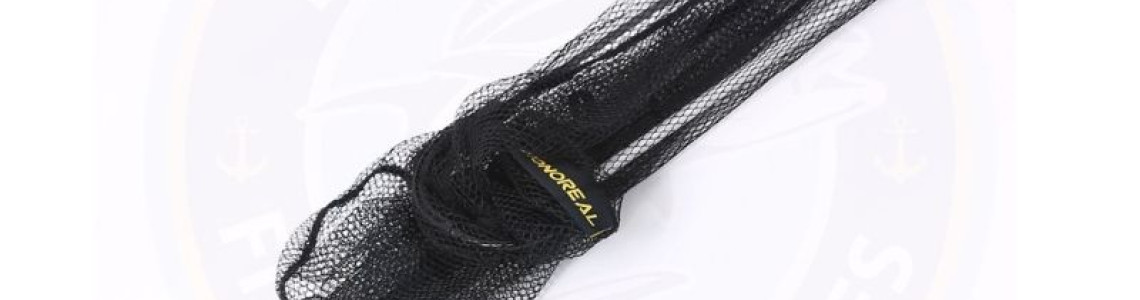
Sustainable Netting Solutions: Reducing Bycatch in Kenyan Waters with Modern Mesh Technology
Sustainable netting solutions use engineered mesh sizes, knot structures, and material science to reduce bycatch while preserving target catch efficiency in Kenyan fisheries. In coastal waters, Lake Victoria, and inland aquaculture systems, modern mesh technology is essential for regulatory compliance, ecosystem protection, and long-term fishing profitability.
Introduction: Sustainability as a Commercial Necessity in Kenya
Kenya’s fisheries are under increasing pressure from climate variability, population growth, and stricter environmental oversight. Regulatory agencies, conservation bodies, and export markets now demand measurable reductions in bycatch and juvenile capture.
From the Indian Ocean coastline to Lake Victoria and inland fish farms, the net itself has become the primary compliance tool. Mesh design, material selection, and deployment discipline directly influence whether an operation remains profitable and legally viable.
Maimun Fishing & Tackles Ltd, established in 1975, has supplied professional fishing and aquaculture netting across East Africa for decades. This experience informs practical, regulation-ready recommendations grounded in Kenyan operating realities.
Why Bycatch Reduction Matters for Kenyan Fisheries
Quick Answer:
Bycatch reduction protects juvenile and non-target species, ensures compliance with Kenyan fisheries regulations, and improves long-term stock sustainability. For professional fishers, modern selective nets reduce waste, inspection risk, and revenue loss.
Bycatch is no longer just an environmental issue—it is a financial and legal liability.
Impacts of Bycatch in Kenya
| Impact Area | Consequence |
|---|---|
| Ecology | Damage to juvenile and protected species |
| Economics | Loss of usable catch and increased sorting time |
| Compliance | Fines, gear confiscation, or license suspension |
| Reputation | Increased scrutiny from regulators and buyers |
How Modern Mesh Technology Reduces Bycatch
Quick Answer:
Modern mesh technology improves species selectivity by controlling mesh size, geometry, and elasticity, allowing juvenile or protected species to escape while retaining mature target fish.
The effectiveness of a net is determined by engineering—not chance.
Key Mesh Design Elements
| Design Feature | Sustainability Benefit |
|---|---|
| Regulated Mesh Size | Allows juveniles to escape |
| Tapered Mesh Geometry | Reduces entanglement of non-target species |
| Knotless Construction | Minimizes injury to escaped fish |
| Reinforced Selvedges | Maintains mesh integrity over time |
Professionally engineered netting systems designed for selective capture are available through MFT’s dedicated netting solutions for commercial and artisanal fisheries.
Coastal Marine Applications in Kenyan Waters
Quick Answer:
Selective purse seines and gillnets reduce bycatch of juvenile tuna, sardines, and mackerel while minimizing interaction with protected marine species. Modern nets ensure compliance with 2026 coastal fisheries standards.
Along the Kenyan coast, inspection frequency has increased, particularly for fleets operating near sensitive habitats.
Marine Net Configuration Benefits
| Net Type | Sustainability Advantage |
|---|---|
| Purse Seine (Selective Panels) | Reduces juvenile schooling fish capture |
| Tapered Gillnets | Lowers turtle and dolphin entanglement |
| Controlled Elasticity Nylon | Reduces stress and mortality in escapees |
MFT supplies marine-grade fishing nets engineered for saltwater durability and regulatory alignment.
Inland and Lake Victoria Fisheries
Quick Answer:
Correctly sized gillnets and seine nets reduce bycatch of juvenile Nile perch and tilapia, protecting breeding populations and ensuring long-term catch stability.
Lake Victoria regulations increasingly focus on mesh enforcement due to historic overfishing.
Recommended Mesh Ranges (Lake Victoria)
| Target Species | Effective Mesh Range |
|---|---|
| Mature Tilapia | 50–75 mm |
| Mature Nile Perch | Regulated medium mesh |
| Fingerlings | Restricted to hatchery use |
MFT supports inland fisheries and aquaculture operations with mesh-specific aquaculture netting systems tailored for lake and pond environments.
Material Selection: Sustainability Meets Durability
Quick Answer:
Nylon offers superior tensile strength and elasticity for long-term sustainability, while HDPE provides lightweight, cost-efficient solutions for controlled deployments. Material choice directly affects lifespan and bycatch outcomes.
Net Material Comparison
| Material | Characteristics | Best Use Case |
|---|---|---|
| Nylon | High elasticity, stable mesh geometry | Continuous commercial use |
| HDPE | Lightweight, UV-treated options available | Seasonal or low-stress use |
| Knotless Variants | Reduced injury to escapees | Conservation-focused fisheries |
MFT’s professional netting portfolio balances sustainability, durability, and return on investment.
Compliance with 2026 Kenyan Environmental Regulations
Quick Answer:
Kenya’s 2026 fisheries regulations emphasize minimum mesh sizes, juvenile protection, and gear condition standards. Non-compliant nets expose operators to fines and license revocation.
Key Compliance Requirements
| Regulation Area | Requirement |
|---|---|
| Mesh Size | Species-specific minimums |
| Seasonal Controls | Juvenile protection periods |
| Gear Integrity | Mandatory inspection readiness |
| Reporting | Bycatch documentation |
Using regulation-ready fishing nets sourced through MFT reduces compliance risk and operational disruption.
Operational Best Practices for Sustainable Fishing
Quick Answer:
Even the best net requires proper deployment, inspection, and adjustment to achieve bycatch reduction. Sustainable outcomes depend on disciplined operational practices.
Best-Practice Framework
| Practice | Purpose |
|---|---|
| Daily Net Inspection | Prevent mesh deformation |
| Seasonal Mesh Adjustment | Match species size cycles |
| Controlled Deployment | Reduce non-target stress |
| Bycatch Recording | Support regulatory reporting |
These practices are supported by durable fishing accessories designed for professional operations.
Case Study: Lake Victoria Bycatch Reduction
Quick Answer:
A transition to regulated mesh gillnets increased targeted tilapia catch by 25 percent while reducing juvenile perch bycatch by over 50 percent. Sustainability and profitability aligned through proper net selection.
This demonstrates that selective netting is not a cost—it is a performance upgrade.
Why Sustainable Netting from Maimun Fishing & Tackles Ltd
Quick Answer:
Maimun Fishing & Tackles Ltd provides field-tested, Kenya-specific netting solutions backed by decades of regional fisheries expertise.
Since 1975, MFT has supported coastal fleets, lake fisheries, and aquaculture operations across East Africa with equipment selected for durability, compliance, and real-world performance.
Delivery Coverage Across Kenya
We supply professional netting solutions across Kenya, including Bungoma, Garissa, Kericho, Thika, Kitale, Machakos, Malindi, Eldoret, Meru, Kisumu, Voi, Nyeri, Nakuru, Mombasa, and Nairobi. Delivery timelines vary by location and order volume.
Frequently Asked Questions
What mesh size best reduces bycatch?
Mesh size must match the target species’ mature size. Larger regulated meshes allow juveniles to escape.
Are knotless nets more sustainable?
Yes. Knotless designs reduce physical injury to fish that escape the net.
Do sustainable nets reduce catch volume?
No. They improve target catch efficiency by eliminating unwanted species.
Are these nets compliant with Kenyan regulations?
Yes, when correctly selected and deployed according to species and season.
Learn More and Get Support
Frequently Asked Questions:
https://shop.mft.co.ke/faq
Fishing Gear Blog:
https://shop.mft.co.ke/blog
Leave a Comment