


Shimano Sedona 5000 Review for Kenyan Anglers
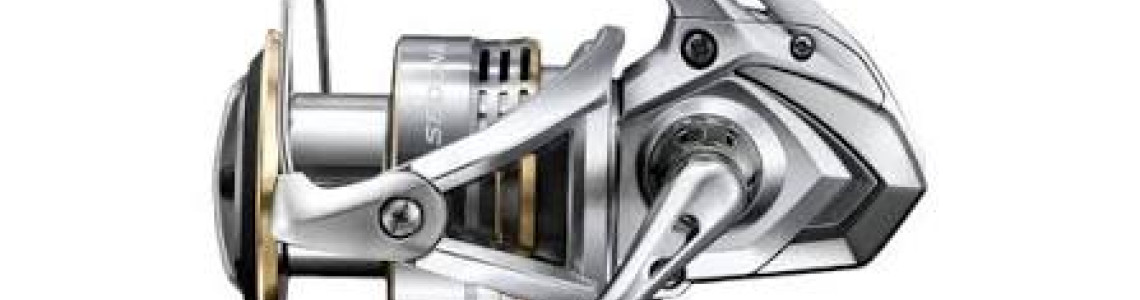
The Shimano Sedona 5000 is a spinning reel worth considering when you need a larger reel for heavier line, longer casts and stronger freshwater or coastal fishing applications. Its size makes it relevant to anglers fishing from boats, casting from the shore and targeting hard-fighting species in Kenyan waters.
The Shimano Sedona 5000 is a spinning reel worth considering when you need a larger reel for heavier line, longer casts and stronger freshwater or coastal fishing applications. Its size makes it relevant to anglers fishing from boats, casting from the shore and targeting hard-fighting species in Kenyan waters. However, choosing a reel based on its size alone can lead to mismatched tackle. You also need to understand its drag capacity, gear ratio, line capacity and compatibility with your fishing rod.
For Kenyan anglers, the Shimano Sedona 5000 may be considered for different fishing environments, including Lake Victoria, Lake Naivasha and selected Indian Ocean shore-fishing locations. The right setup depends on the fish you are targeting, the line you intend to use, the weight of your lures and the conditions in which you fish.
This Shimano Sedona review explains the specifications of the FJ C5000XG version, how much line it holds, what its drag rating means and where it fits into a practical fishing setup. It also explains what to check before buying a Shimano spinning reel in Kenya.
What Is the Shimano Sedona 5000?
The Shimano Sedona 5000 is a front-drag spinning reel designed for anglers who need a larger spool and more line capacity than smaller spinning reel sizes provide. It belongs to Shimano's Sedona range, which is positioned as an accessible option for anglers looking for established reel technologies without moving into the highest-priced product ranges.
The 5000-size version is particularly relevant when fishing with heavier lines or when longer casts and additional line capacity are useful. It can be paired with a suitably rated spinning rod for freshwater and selected saltwater applications.
It is important to identify the exact Sedona generation and model before comparing specifications. Shimano has released different Sedona versions, and specifications can vary between generations and regional model codes.
For this review, the reference model is the Shimano Sedona FJ C5000XG. The letter C indicates a compact-body design in Shimano's model naming, while XG identifies the extra-high gear ratio configuration.
That distinction matters when checking the specifications, ordering a replacement spool or comparing the reel with another Sedona model.
Shimano Sedona 5000 Specifications
The Sedona FJ C5000XG has a combination of line capacity, retrieval speed and drag strength that makes it suitable for a range of medium-to-heavy spinning applications.
The following figures are from Shimano's published specifications for the C5000XG FJ model.
| Specification | Shimano Sedona FJ C5000XG |
|---|---|
| Reel type | Front-drag spinning reel |
| Model code | SEC5000XGFJ |
| Gear ratio | 6.2:1 |
| Maximum drag | 11 kg / 24 lb |
| Weight | 310 g |
| Mono capacity | 12 lb / 195 yd; 14 lb / 165 yd |
| PowerPro capacity | 20 lb / 260 yd; 30 lb / 235 yd; 40 lb / 185 yd |
| Line retrieval per crank | 41 inches / 105 cm |
| Bearings | 3+1 |
| Handle length | 55 mm |
Important: These specifications apply to the FJ C5000XG model. If the product supplied is an older Sedona 5000 or another regional variant, check its model code and spool specifications rather than assuming the figures are identical. Shimano's official Sedona specifications provide the model-by-model reference.
Understanding the Shimano Sedona 5000 Drag System
Drag is one of the most important features to understand when choosing a spinning reel. It controls how much resistance a fish encounters when pulling line from the spool.
The Shimano Sedona FJ C5000XG has a published maximum drag rating of approximately 11 kg or 24 lb. This is the maximum rated resistance, not a recommendation to tighten the drag fully whenever you hook a large fish.
The correct drag setting depends on your line strength, rod rating, knots, hook arrangement and the fish you are targeting.
What Does 11 kg Maximum Drag Mean?
An 11 kg maximum drag rating indicates the reel's specified upper drag capability. It does not mean that every fishing setup should be operated at that level.
For example, if you spool the reel with a relatively light line, setting the drag too high can cause the line to break before the reel reaches its maximum drag rating. The same problem can occur if the rod, leader or knots are not suited to the pressure being applied.
A sensible setup should allow the fish to take line when necessary while maintaining enough pressure to control its movement.
Why Drag Adjustment Matters on Lake Victoria
Anglers targeting larger fish in Lake Victoria need to consider more than the reel's maximum drag rating. Fish behaviour, fishing depth, line strength, rod action and the presence of underwater obstacles all affect how a fish should be played.
A properly adjusted drag helps reduce sudden pressure on the line when a fish makes a strong run. It also gives the angler more control during the fight.
Before fishing, test the drag by pulling line steadily from the spool. It should release smoothly without sticking or making sudden jumps. Adjust it to suit the weakest part of your complete fishing setup.
Shimano Sedona 5000 Gear Ratio: What Does 6.2:1 Mean?
The gear ratio tells you how many times the spool's internal rotor turns for every complete handle revolution.
The Sedona FJ C5000XG has a gear ratio of 6.2:1. This means the rotor makes approximately 6.2 turns for one full turn of the handle.
Its published line retrieval is approximately 105 cm per handle revolution, although the actual amount of line recovered can change depending on how much line remains on the spool.
Is a 6.2:1 Gear Ratio Good for Fishing in Kenya?
A 6.2:1 ratio is useful when you want to retrieve line relatively quickly. It can help when working certain artificial lures, recovering slack after a cast and responding to a fish moving towards the boat.
For shore casting, faster retrieval can be useful when working lures that require a steady, active retrieve. It can also help when repositioning your rig between casts.
However, a high gear ratio is not automatically better for every fishing technique. Some presentations work better with a slower retrieve. The angler can also control retrieve speed by turning the handle more slowly.
The important point is to match the reel's retrieval characteristics to the fishing method rather than selecting a reel based on gear ratio alone.
Shimano Sedona 5000 Line Capacity
Line capacity determines how much fishing line the spool can hold at a specified line strength or diameter. It is particularly important when fishing in open water, casting long distances or targeting fish that may make extended runs.
The Sedona FJ C5000XG has the following published capacities:
Monofilament Line Capacity
| Line strength | Approximate capacity |
|---|---|
| 12 lb mono | 195 yards |
| 14 lb mono | 165 yards |
PowerPro Braided Line Capacity
| PowerPro line strength | Approximate capacity |
|---|---|
| 20 lb braid | 260 yards |
| 30 lb braid | 235 yards |
| 40 lb braid | 185 yards |
These figures are useful when planning a spool setup, but they should not be treated as universal capacities for every brand of fishing line. Different manufacturers can use different line diameters at the same stated breaking strength.
Always compare the actual line diameter with the spool's published specifications.
Should You Use Braid or Monofilament?
Both braided and monofilament lines can work with a spinning reel, but they offer different characteristics.
Braided line generally has a smaller diameter than monofilament of comparable breaking strength. This can allow more line to fit on the spool. Braid also has relatively low stretch, which can help with sensitivity and hook-setting.
Monofilament line stretches more and can provide some cushioning when a fish makes a sudden movement. It is also familiar to many anglers and can be a practical choice for general-purpose fishing.
Your choice should depend on the fishing technique, target species, rod, leader arrangement and personal preference.
For braid, use a suitable backing or another manufacturer-recommended method to prevent the line from slipping around the spool arbor. Wind the line evenly and under consistent tension. Avoid filling the spool beyond its recommended level, as overfilling can contribute to line loops and tangles.
Best Uses of the Shimano Sedona 5000 in Kenya
The Sedona 5000 is a versatile reel size, but its suitability depends on the complete fishing setup. It is not designed to replace every type of reel, and it should not be treated as a dedicated heavy-duty offshore reel.
Here are some applications where its size and specifications may be useful.
1. Freshwater Fishing on Lake Victoria
Lake Victoria offers a range of fishing opportunities, including fishing for Nile perch and other freshwater species. The Sedona 5000 can be considered for selected spinning setups where the rod, line and terminal tackle are matched to the target fish.
For Nile perch fishing, the choice of line and leader deserves particular attention. The fish, fishing location and presence of submerged obstacles influence the strength of the complete setup.
The reel's line capacity gives an angler room to use suitable line for open-water applications. However, the 11 kg maximum drag should not be confused with a guarantee that the reel can handle every large Nile perch situation.
For heavier fishing methods, compare the reel's specifications with those of purpose-built conventional or larger spinning reels before deciding.
2. Shore Casting
Shore casting requires a balanced rod and reel combination. A reel that is too heavy for the rod can make long fishing sessions tiring, while a poorly matched rod can affect casting performance.
The Sedona 5000 can be considered for shore-casting setups that need a larger spool and relatively quick line retrieval.
The final casting distance will depend on several factors:
Rod length, action and casting rating.
Lure or sinker weight.
Line diameter and spool fill level.
Casting technique.
Wind and water conditions.
The condition of the rod guides and reel spool lip.
A larger reel does not automatically produce longer casts. The rod, line and casting weight must work together.
3. Boat Fishing
When fishing from a boat, the Sedona 5000 may suit selected spinning applications where the angler needs a reel with adequate line capacity and a relatively fast retrieve.
It can be useful for working artificial lures or fishing with suitable bait rigs, provided the rod and line are appropriate.
Boat anglers should also consider how the reel will be stored and protected. Saltwater spray, wet decks, sand and accidental impacts can affect reel performance over time.
4. Selected Indian Ocean Shore-Fishing Applications
The Sedona 5000 may also be considered for selected light-to-medium coastal spinning applications around Kenya's Indian Ocean shoreline.
However, anglers should distinguish between occasional exposure to saltwater and regular use in demanding marine conditions. Salt, moisture and fine sand can affect reel components if maintenance is neglected.
After coastal use, follow Shimano's care instructions, rinse appropriately with fresh water, dry the reel and store it in a clean location. Avoid directing high-pressure water into the reel because this can force moisture and contaminants into internal components.
For frequent offshore fishing or demanding saltwater use, compare the Sedona with reels specifically designed for those conditions.
Is the Shimano Sedona 5000 Suitable for Nile Perch?
The Sedona 5000 can be suitable for selected Nile perch spinning applications, but the answer depends on the size of fish being targeted and the fishing method.
A medium-to-heavy spinning rod paired with suitable braided line and a properly adjusted drag can provide a useful setup for some freshwater applications.
Before using it for Nile perch, consider the following:
Rod compatibility: The rod should have a casting and line rating that matches the intended setup. A reel cannot compensate for an unsuitable rod.
Line strength: Choose line based on the expected fish size, fishing location and obstacles. Do not select braid solely because the spool can hold a particular breaking strength.
Leader selection: A suitable leader helps protect the main line and provides an appropriate connection to the lure or hook.
Drag setting: Adjust the drag to protect the weakest component in the setup. Maximum drag is not the target operating setting.
Fishing technique: Trolling, bottom fishing and lure casting have different equipment requirements. The Sedona 5000 is a spinning reel, so its suitability depends on whether the chosen method is appropriate for spinning tackle.
For very large fish, heavy-duty fishing methods or situations involving strong underwater obstacles, compare the Sedona with a reel designed for the specific demands of that application.
Shimano Sedona 5000 vs Smaller Spinning Reels
Choosing between a 5000-size reel and a smaller spinning reel depends on the fishing conditions.
| Consideration | Smaller spinning reel | Sedona 5000 |
|---|---|---|
| Overall size | More compact | Larger |
| Weight | Usually lighter | 310 g for FJ C5000XG |
| Line capacity | Generally lower | Higher |
| Typical application | Light freshwater fishing | Selected medium-to-heavy spinning applications |
| Rod pairing | Light or medium rods | Suitable medium-to-heavy rods |
| Casting setup | Smaller lures and lighter lines | Larger lures and stronger line setups, where rod-rated |
A smaller reel may be more comfortable for light lure fishing, while the Sedona 5000 offers additional spool capacity for applications that need it.
Do not buy a larger reel simply because it appears more powerful. The rod and target species should determine the appropriate reel size.
Shimano Sedona 5000 Price in Kenya
The Sedona 5000 price in Kenya depends on the exact model, seller, stock availability and product condition.
At the time of the latest indexed Maimun Fishing & Tackles product listing, the Shimano Sedona 5000 was displayed at KSh 18,500. The listing also showed the product as in stock. Price and availability can change, so confirm both before placing an order.
You can check the product listing here: Shimano Sedona 5000 at Maimun Fishing & Tackles.
When comparing prices, check that you are comparing the same Sedona generation and model code. A C5000XG FJ should not automatically be treated as identical to an older Sedona 5000.
Also check whether the reel is supplied with the expected spool, handle and accessories, and whether the seller can advise on a suitable rod and line combination.
What to Check Before Buying a Shimano Sedona 5000
Before buying a Shimano spinning reel in Kenya, take a few minutes to check the product and confirm that it matches your fishing requirements.
Confirm the Model Code
Check whether the reel is the FJ C5000XG or another Sedona version. The model code helps you confirm the correct gear ratio, drag rating, weight and line capacity.
Inspect the Spool
The spool should be free from visible damage, deep scratches or dents. Damage around the spool lip can affect line release during casting.
Test the Handle and Retrieve
Turn the handle and check that the rotor moves smoothly. Look for unusual grinding, excessive looseness or irregular resistance.
Test the Drag
Adjust the drag knob and pull line steadily. The line should release smoothly without sudden sticking or inconsistent resistance.
Check the Bail Arm
Open and close the bail arm to confirm that it moves properly and returns as expected. Also inspect the line roller for visible damage or rough movement.
Match It With Your Rod
A reel should balance comfortably with the rod. Check the rod's line rating, lure rating and recommended reel size before purchasing.
Ask About Maintenance
Ask how to clean and maintain the reel after freshwater or saltwater use. Correct maintenance helps protect the reel from corrosion, dirt and premature wear.
How to Maintain the Shimano Sedona 5000
Regular maintenance is important for keeping a spinning reel working smoothly. Even a well-made reel can develop problems if it is repeatedly exposed to salt, sand, moisture or poor storage conditions.
Use these basic maintenance practices:
Clean after fishing: Remove dirt, moisture and salt residue using the cleaning method recommended by Shimano.
Dry before storage: Wipe the reel with a clean, soft cloth and allow it to dry properly.
Protect the spool: Avoid knocking the spool lip against hard surfaces.
Check the line roller: Inspect it regularly for dirt, corrosion or restricted movement.
Inspect the fishing line: Remove damaged or badly twisted sections before the next trip.
Store carefully: Keep the reel in a dry, protected location away from direct sunlight and unnecessary moisture.
Use suitable lubricants: Follow the manufacturer's instructions for reel oil and grease. Avoid applying excessive lubricant or using unsuitable products.
Arrange servicing when necessary: If the reel develops grinding, unusual noise or drag problems, have it inspected rather than forcing the handle.
For saltwater use, follow the manufacturer's rinsing procedure. Do not immerse the reel or use a high-pressure hose unless Shimano specifically instructs you to do so.
Common Mistakes When Choosing a Shimano Spinning Reel
A reel can have good specifications and still be unsuitable for a particular fishing application. Avoid these common buying mistakes.
Choosing by size alone: A 5000-size reel is not automatically suitable for every large fish. The rod, line and fishing technique matter just as much.
Ignoring line diameter: Breaking strength alone does not determine how much line fits on the spool. Check the diameter and manufacturer's capacity figures.
Using maximum drag all the time: Maximum drag is a rated limit, not a standard fishing setting. Excessive drag can damage line, knots and rods.
Overfilling the spool: Too much line can contribute to tangles and poor line management. Follow the recommended spool-fill level.
Pairing it with an unsuitable rod: A heavy reel on a light rod may feel unbalanced. A rod that is not rated for the chosen line and lure weight can also limit performance.
Ignoring saltwater maintenance: Occasional coastal use still requires proper cleaning and drying. Salt residue should not be left on the reel.
Comparing different Sedona generations: Model names can look similar while specifications differ. Confirm the model code before buying replacement parts or comparing prices.
Frequently Asked Questions About the Shimano Sedona 5000
How much drag does the Shimano Sedona 5000 have?
The Shimano Sedona FJ C5000XG has a published maximum drag of 11 kg or approximately 24 lb. This is the maximum rated drag, not the recommended setting for every line and rod combination.
What is the gear ratio of the Shimano Sedona 5000?
The FJ C5000XG has a 6.2:1 gear ratio. It retrieves approximately 105 cm of line per full handle turn under the manufacturer's stated specification.
How much line can the Shimano Sedona 5000 hold?
For the FJ C5000XG, Shimano lists approximately 195 yards of 12 lb mono or 165 yards of 14 lb mono. Its PowerPro capacities are approximately 260 yards of 20 lb braid, 235 yards of 30 lb braid and 185 yards of 40 lb braid.
Is the Shimano Sedona 5000 good for Nile perch?
It can suit selected Nile perch spinning applications when paired with a suitable rod, line and leader. For very large fish or demanding fishing conditions, compare it with equipment designed specifically for those requirements.
Can I use the Shimano Sedona 5000 in saltwater?
It may be used for selected coastal spinning applications, but regular saltwater exposure requires careful maintenance. Follow Shimano's cleaning instructions and consider a reel specifically designed for frequent demanding saltwater use.
What is the Shimano Sedona 5000 price in Kenya?
Maimun Fishing & Tackles' latest indexed listing displayed the reel at KSh 18,500. Confirm the current price, exact model and stock availability with the seller before purchasing.
Is the Shimano Sedona 5000 suitable for shore casting?
It can suit shore-casting setups when matched with an appropriate rod, line and lure weight. Casting distance depends on the complete setup and technique, not the reel size alone.
What is the difference between Sedona 5000 and C5000XG?
The C5000XG FJ is a specific Shimano model with a compact-body design and extra-high gear ratio. Its specifications should be checked against the exact model code rather than assumed to match every reel described simply as a Sedona 5000.
Find the Right Fishing Reel at Maimun Fishing & Tackles
Choosing the right spinning reel involves more than comparing prices or selecting the largest available size. Your target species, fishing location, rod rating, line capacity and preferred fishing method should all influence the decision.
The Shimano Sedona 5000 is worth considering if you need a spinning reel with a larger spool, a relatively fast retrieve and a substantial published drag rating. The FJ C5000XG specification provides a useful reference for anglers comparing reel capacity and performance for freshwater and selected coastal applications.
Maimun Fishing & Tackles offers fishing equipment and accessories for anglers in Kenya. Explore the fishing reels and accessories, browse the wider fishing equipment range, or view available fishing rods and reels information.
For help checking the exact Shimano Sedona model, line capacity or a suitable rod combination, contact Maimun Fishing & Tackles through the MFT contact page.
Maimun Fishing & Tackles – helping Kenyan anglers choose suitable fishing equipment for their next trip.
Published
About Maimun Fishing Tackles. Serving Kenya's fishing community since 1975 (founded as Asma & Sons in Old Town Mombasa) — fishing tackle, nets, aquaculture equipment and farm netting, with branches in Mombasa (Nehru Road), Nairobi (Darosa Plaza, Karen Road), Malindi and Naivasha. Questions about this guide? Call or WhatsApp +254 706 903 465 or email [email protected].
Leave a Comment