


Using Shade Nets in Aquaculture and Farming: Best Practices for Kenyan Farms
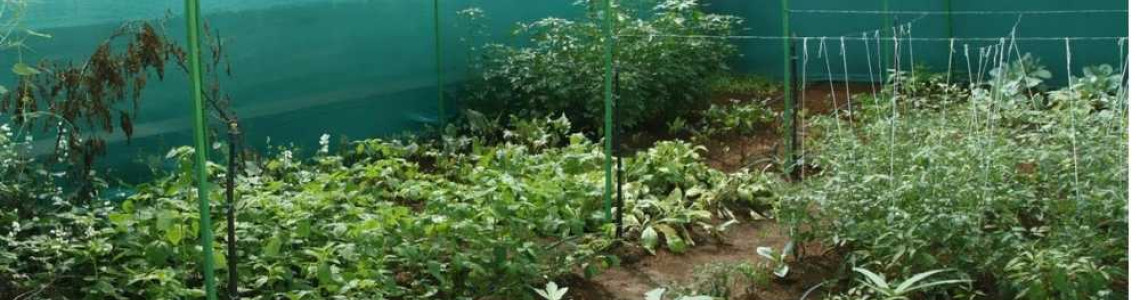
Using Shade Nets in Aquaculture and Farming: Best Practices for Kenyan Farms
Definition: Shade nets are woven or knitted materials designed to reduce sunlight intensity while allowing air and moisture flow. In Kenya, they are essential for agriculture and aquaculture, protecting crops, seedlings, livestock, and fish ponds from excessive heat, UV radiation, and water evaporation. Proper use improves productivity, crop quality, and fish survival rates.
What Are Shade Nets?
Quick Answer: Shade nets are durable, UV-stabilized polyethylene or polypropylene fabrics that provide controlled shading for plants, livestock, and aquaculture systems. By regulating sunlight and temperature, they prevent crop sunburn, reduce water evaporation in fish ponds, and improve animal welfare, making them a cost-effective solution for Kenyan farms and aquaculture setups.
Local Context: Kenya’s equatorial climate—with high solar intensity in regions like Machakos, Meru, and coastal areas—makes shade nets crucial for managing plant and pond microclimates year-round.
Uses of Shade Nets in Farming
Quick Answer: Shade nets protect crops, seedlings, and livestock by controlling sunlight exposure, reducing stress, and improving growth conditions. They also enhance greenhouse efficiency and crop uniformity.
Key Applications in Kenya:
Crop Protection: Shields vegetables, fruits, and ornamental plants from sunburn, heat stress, and hail.
Nursery Shading: Provides controlled light for seedlings, improving survival rates.
Livestock Comfort: Creates shaded resting areas for poultry, goats, and cattle, enhancing productivity.
Greenhouse Optimization: Prevents overheating, improving plant development and reducing water stress.
Related Products: Gardening Accessories, Poultry Farming Equipment
Benefits of Shade Nets in Aquaculture
Quick Answer: In aquaculture, shade nets regulate pond temperature, limit algae growth, protect fish from predators, and enhance survival and growth rates. Proper shading reduces stress on species such as tilapia, catfish, and ornamental fish.
Technical Advantages:
Temperature Regulation: Reduces daily fluctuations in water temperature, crucial for fish metabolism and immune function.
Algae Control: Limits sunlight penetration, minimizing harmful algal blooms.
Protection: Prevents bird predation and keeps floating debris out of ponds.
Improved Growth: Fish grow faster under stable light and temperature conditions.
Complementary Products: Aquaculture Fishing Nets, Fish Feed
Durability and Quality of Shade Nets
Quick Answer: High-quality shade nets are UV-stabilized, tear-resistant, and weatherproof, ensuring long-term protection for crops and aquaculture systems in Kenya’s varied climate.
Durability Factors:
UV Resistance: Protects nets from sun degradation over multiple seasons.
Tear Resistance: Handles strong winds, farm machinery, and accidental stress.
Weatherproofing: Resistant to rain, humidity, and temperature swings.
Investing in durable shade nets reduces replacement costs and safeguards farm productivity.
Best Practices for Using Shade Nets on Kenyan Farms
Quick Answer: Correct selection, installation, and maintenance of shade nets maximize their efficiency in controlling light, temperature, and airflow for crops, livestock, and fish ponds.
Implementation Tips:
Select Appropriate Shading Percentage: 30–50% for crops, 50–70% for fish ponds.
Ensure Proper Tension: Prevent sagging, tears, or wind damage by securing nets tightly.
Maintain Airflow: Prevent overheating and ensure pond oxygenation or plant transpiration.
Regular Inspections: Repair tears, check fasteners, and monitor UV damage.
Combine with Other Measures: Use alongside irrigation, aeration, or mulching for optimal results.
Cost of Shade Nets in Kenya
Quick Answer: Prices vary by size, mesh density, and quality, with premium UV-stabilized nets providing long-term savings. Maimun Fishing & Tackles Ltd offers affordable nets for both smallholder and commercial farms.
Example Price Range (KES):
Small-scale nets: 2,000 – 5,000
Medium/Commercial nets: 6,000 – 15,000
Large aquaculture/greenhouse installations: 15,000+
Integrating Shade Nets in Farming and Aquaculture Systems
Quick Answer: Shade nets optimize both crop and fish production by providing controlled light and temperature, improving feed efficiency, growth, and plant health.
Practical Applications:
Fish Ponds: Reduces thermal stress, improves feed conversion, and enhances growth.
Vegetable Farms: Partial shading protects sensitive crops from extreme heat.
Integrated Systems: Fish tanks near shaded vegetable gardens maximize space and productivity.
Recommended Products: Fishing Accessories
Recommended Uses: Commercial vs. Small-Scale Farms
Quick Answer: Shade nets are versatile for all farm scales, protecting crops and fish while enhancing animal welfare.
| Farm Type | Shade Net Use | Benefits |
|---|---|---|
| Commercial | High-value crops, large ponds | Uniform production, optimized growth, reduced losses |
| Smallholder | Backyard ponds, vegetable plots | Reduced sun damage, improved fish survival, cost-effective |
| Livestock/Poultry | Shaded resting areas | Enhanced welfare and productivity |
Maimun Fishing & Tackles Ltd provides guidance to select the right size, density, and installation method for your farm.
Where to Buy Shade Nets in Kenya
Quick Answer: Maimun Fishing & Tackles Ltd supplies premium shade nets and complementary aquaculture and agricultural equipment, with nationwide delivery.
Store Details:
Address: Darosa Plaza, Karen Rd
Call/WhatsApp: 0706 903465
Store Hours: Mon–Fri: 08:30 – 17:00 | Sat: 09:00 – 14:00
Delivery Towns (Shuffled): Nairobi, Kisumu, Mombasa, Nakuru, Eldoret, Malindi, Nyeri, Kakamega, Kitale, Meru, Thika, Machakos, Garissa, Voi, Kericho, Bungoma
Related Products:
More from Maimun Fishing & Tackles Ltd:
Leave a Comment