


Shade Net vs Insect Net vs Bird Net: A Kenyan Farmer’s Guide
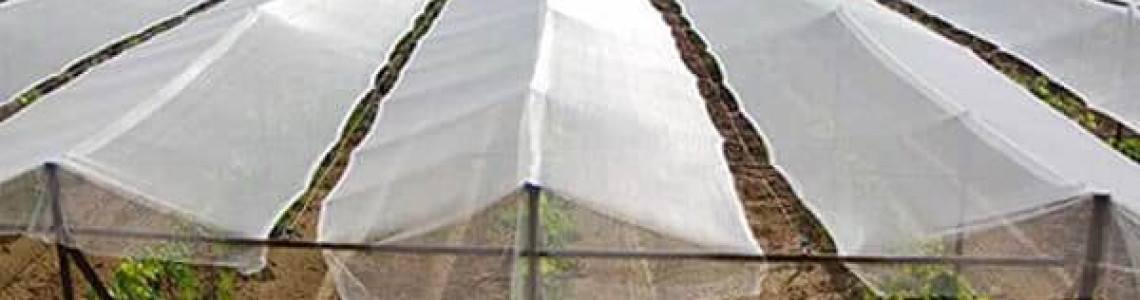
Shade Net vs Insect Net vs Bird Net: A Kenyan Farmer’s Guide to Choosing the Right Crop Protection Net
Understanding Shade Net vs Insect Net for Kenyan Farms
Shade nets, insect nets, and bird nets are designed for different farming challenges. Shade nets control sunlight and heat, insect nets prevent pest entry, and bird nets protect crops from bird damage. Selecting the right net depends on the crop, farming environment, climate, and the specific protection required.
Modern Kenyan farming increasingly relies on protective netting to improve crop quality, reduce losses, and create more controlled growing conditions. Farmers growing vegetables, fruits, seedlings, and horticultural crops face several environmental challenges, including:
- Excessive sunlight
- Insect pressure
- Bird damage
- Strong winds
- Temperature fluctuations
- Water loss through evaporation
Agricultural netting provides a practical solution by creating a protective barrier while still allowing important processes such as airflow, light movement, and pollination where required.
The challenge many farmers face is choosing between different types of nets. A shade net may look similar to an insect net, but their functions are completely different.
For example:
- A tomato farmer in Naivasha may need insect netting to reduce whitefly pressure.
- A nursery operator in Kiambu may need shade netting to protect young seedlings.
- A strawberry farmer may need bird netting to prevent harvest losses.
Understanding the difference between these products helps farmers avoid investing in the wrong solution.
Maimun Fishing & Tackles Ltd (MFT) provides agricultural and environmental solutions for Kenyan farmers, including crop protection materials suitable for different farming systems. Farmers can explore more farming solutions through the Agriculture Supplies Kenya farming and gardening guide.
What Is Agricultural Netting?
Agricultural netting is a specialised farming material made from durable synthetic fibres designed to protect crops, regulate growing conditions, and improve farm productivity. Different agricultural nets are manufactured with specific mesh sizes, strengths, and UV protection levels for different applications.
Agricultural nets are different from ordinary household nets because they are designed for long-term outdoor exposure.
Quality farm nets are manufactured to withstand:
- Direct Kenyan sunlight
- Rainfall exposure
- Wind pressure
- Temperature changes
- Continuous outdoor use
Farmers use agricultural netting in:
- Greenhouses
- Open-field farms
- Nurseries
- Fruit farms
- Fish farming areas
- Livestock protection systems
The performance of any agricultural net depends on several technical factors.
Understanding Mesh Size in Agricultural Nets
Mesh size refers to the size of openings between net fibres. Smaller mesh openings provide better protection against small pests, while larger mesh allows more airflow and easier movement of beneficial insects.
Mesh size is one of the most important specifications when choosing farm netting.
A farmer targeting whiteflies requires a different mesh compared to a farmer protecting mangoes from birds.
General applications include:
| Mesh Size Type | Main Purpose |
|---|---|
| Fine mesh | Insect exclusion |
| Medium mesh | General crop protection |
| Large mesh | Bird protection |
Choosing the correct mesh requires understanding:
- Target pest size
- Crop type
- Ventilation requirements
- Farm location
Understanding GSM in Agricultural Nets
GSM (grams per square metre) measures the weight and density of a net. Higher GSM usually indicates a heavier and stronger material, although the correct GSM depends on the intended farming application.
Farmers consider GSM when selecting nets for:
- Permanent greenhouse structures
- Windy locations
- Commercial farms
- Long-term installations
For example:
A temporary nursery shade structure may require a different GSM compared to a permanent greenhouse insect barrier.
Why UV Resistance Matters in Kenya
UV stabilisation protects agricultural nets from damage caused by prolonged sunlight exposure. UV-resistant nets maintain their strength and performance for longer periods under Kenyan weather conditions.
Kenya experiences strong sunlight throughout the year, especially in regions such as:
- Eastern Kenya
- Rift Valley
- Coastal counties
- Northern Kenya
Without UV protection, agricultural nets may become:
- Brittle
- Weak
- Easily torn
Farmers should always consider UV resistance when purchasing long-term crop protection nets.
Shade Net Explained: What Does a Shade Net Do?
A shade net is an agricultural covering designed to reduce sunlight intensity, control heat exposure, and create a more suitable growing environment for crops. It does not primarily protect crops from insects or birds.
Shade nets are widely used by Kenyan farmers growing:
- Seedlings
- Vegetables
- Flowers
- Nursery plants
- Sensitive crops
They are especially valuable in areas experiencing intense sunlight and heat stress.
Common shade net applications include:
- Greenhouse shading
- Plant nurseries
- Seedling hardening areas
- Outdoor crop protection
Benefits of Using Shade Nets in Kenya
Shade nets help farmers manage excessive sunlight, reduce plant stress, and improve crop establishment by creating a more balanced growing environment.
Reducing Heat Stress
Shade nets lower the amount of direct solar radiation reaching plants, helping reduce overheating and moisture loss.
High temperatures can negatively affect crops through:
- Leaf burning
- Flower drop
- Reduced fruit development
- Increased water requirements
Shade nets are useful for farmers growing crops in hotter regions such as:
- Makueni
- Machakos
- Kajiado
- Coastal Kenya
Protecting Seedlings
Shade nets are commonly used in nurseries because young plants require protection from intense sunlight during early growth stages.
Seedlings are sensitive because their root systems and leaves are still developing.
Shade protection helps improve:
- Seedling survival
- Transplant success
- Plant strength
Nursery operators around Nairobi, Kiambu, and Nakuru often use shade structures before moving plants to open fields.
Improving Water Efficiency
Shade nets reduce evaporation by lowering heat exposure around crops, helping irrigation water remain available for longer periods.
When combined with irrigation systems, shade nets can support efficient water management.
Farmers using modern irrigation solutions can also explore MFT’s agricultural resources through the Water and Environmental Solutions Kenya guide.
Types of Shade Nets Used by Kenyan Farmers
Shade nets are available in different shading percentages, allowing farmers to select the amount of sunlight reduction suitable for their crops.
The most common options include:
| Shade Percentage | Common Application |
|---|---|
| 30% Shade | Crops requiring high sunlight levels |
| 50% Shade | General vegetable production |
| 70% Shade | Sensitive crops and nurseries |
| 90% Shade | Specialised shading applications |
The correct shade percentage depends on:
- Crop sensitivity
- Climate conditions
- Farm location
- Season
For example:
A lettuce farmer in a hot region may require more shade compared to a maize seedling nursery in a cooler area.
Insect Net Explained: What Is an Insect Proof Net?
An insect net is a fine agricultural mesh designed to prevent insects from reaching crops while maintaining airflow and light penetration. It is mainly used for greenhouse farming and protected crop production.
Unlike shade nets, insect nets focus on pest exclusion.
They are commonly used to protect crops from:
- Whiteflies
- Aphids
- Thrips
- Leaf miners
- Moths
Insect nets are an important part of Integrated Pest Management (IPM), where farmers combine physical barriers with other pest control methods.
How Insect Nets Protect Crops
Insect nets create a physical barrier that reduces pest entry, helping farmers lower crop damage and reduce dependence on chemical pest control methods.
Benefits include:
- Reduced pest pressure
- Healthier crops
- Lower pesticide use
- Better quality produce
For greenhouse vegetable farmers, insect nets are commonly installed around:
- Side walls
- Ventilation openings
- Entry points
Selecting the Correct Insect Net Mesh Size
The correct insect net mesh size depends on the pest being targeted. Smaller insects require finer mesh, while larger mesh improves airflow.
Examples:
| Target Pest | Net Requirement |
|---|---|
| Whiteflies | Fine insect mesh |
| Aphids | Fine mesh protection |
| Larger insects | Medium mesh |
| General greenhouse protection | Balanced mesh |
Farmers should balance pest protection with ventilation because extremely fine mesh can reduce airflow and increase humidity.
Store & Delivery Information
Maimun Fishing & Tackles Ltd supplies agricultural solutions, fishing gear, accessories, and environmental products across Kenya. Farmers looking for shade nets, insect nets, bird nets, and other crop protection materials can contact MFT for product availability and guidance.
Location: Karen Rd, Nairobi
Phone: 0731 793 572/0753 110 021
Store Hours: Monday – Saturday: 8:00 AM – 6:00 PM
Delivery Areas
MFT delivers agricultural and fishing products to customers in:
- Nairobi
- Kisumu
- Mombasa
- Naivasha
- Nakuru
- Eldoret
For agricultural netting, greenhouse accessories, fishing equipment, and related farming solutions, contact Maimun Fishing & Tackles Ltd for product recommendations and delivery arrangements across Kenya.
Leave a Comment