


PVC-Coated Wire Mesh: Uses and Lifespan
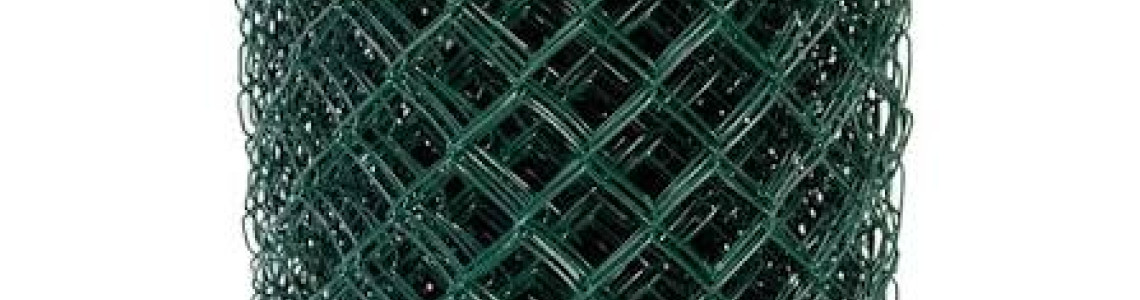
PVC-coated wire mesh is used in fencing, poultry enclosures, garden protection, animal cages and other applications that need a mesh barrier. It combines a metal wire structure with an outer layer of polyvinyl chloride (PVC), a plastic material that helps protect the underlying wire from direct exposure to moisture and environmental conditions.
PVC-coated wire mesh is used in fencing, poultry enclosures, garden protection, animal cages and other applications that need a mesh barrier. It combines a metal wire structure with an outer layer of polyvinyl chloride (PVC), a plastic material that helps protect the underlying wire from direct exposure to moisture and environmental conditions.
In Kenya, wire mesh is used around homes, farms, gardens, poultry units, storage areas and commercial properties. However, bare metal wire can be vulnerable to corrosion, particularly where it is regularly exposed to rain, humidity, soil moisture and other conditions that encourage rust.
This is one reason many property owners and farmers consider PVC-coated wire mesh. The coating provides an additional protective layer while giving the mesh a finished appearance that can suit different outdoor applications.
But what exactly is coated wire mesh used for? How long can it last? Is it suitable for chicken runs, animal cages and garden fencing? And what should you check before buying it?
This guide explains the construction, practical uses, advantages and limitations of PVC-coated wire mesh, with considerations for choosing the right product for Kenyan conditions.
What Is PVC-Coated Wire Mesh?
PVC-coated wire mesh is made from metal wire that has been covered with a layer of PVC. The metal provides the underlying structure, while the coating acts as an additional protective covering.
The wire is formed into a mesh pattern, with individual wires crossing or connecting at regular intervals. The resulting openings allow visibility and airflow while creating a physical barrier.
Depending on the manufacturing process, PVC may be applied to the wire before or after the mesh is formed. The construction method, quality of the underlying metal and thickness of the coating can affect the product's performance.
How Does the PVC Coating Work?
Bare metal wire is exposed directly to the surrounding environment. When moisture and oxygen reach susceptible metal surfaces, corrosion can occur.
A PVC coating helps reduce direct contact between the metal and the surrounding environment. It provides a barrier that can help protect the wire from moisture, dirt and other external conditions.
However, PVC coating does not make wire mesh completely rust-proof or maintenance-free. If the coating is cut, scratched, damaged or poorly applied, the exposed metal may still corrode.
The condition of the coating is therefore an important consideration when selecting coated wire mesh for outdoor use.
What Is the Difference Between Bare Wire and PVC-Coated Wire Mesh?
The main difference is the protective outer layer.
| Feature | Bare wire mesh | PVC-coated wire mesh |
|---|---|---|
| Surface | Exposed metal | Metal covered with PVC |
| Appearance | Usually metallic | Often available in coated finishes |
| Moisture protection | Depends on the metal and any other treatment | PVC provides an additional barrier |
| Corrosion risk | Can corrode when exposed to moisture | Reduced where the coating remains intact |
| Maintenance | Depends on material and environment | Requires inspection and care to protect coating |
| Outdoor suitability | Depends on wire material and treatment | Can be suitable for many outdoor applications |
Bare wire mesh may be appropriate for certain applications, especially where the material has another suitable corrosion-protection treatment. PVC-coated mesh offers an additional layer of protection that can be useful in exposed environments.
1. PVC-Coated Wire Mesh for Property Fencing
One of the most common coated wire mesh uses is property fencing.
It can be installed along residential boundaries, farm perimeters, gardens and selected commercial properties where a visible physical barrier is required.
The mesh structure allows people to see through the fence while helping define the boundary. It can also be attached to suitable posts and support structures to create a continuous enclosure.
Why Use PVC-Coated Mesh for Outdoor Fencing?
Outdoor fencing is exposed to changing weather conditions. Rain, moisture, sunlight and soil contact can affect the materials used in a fence.
The PVC coating provides an additional barrier over the metal wire, helping reduce direct environmental exposure where the coating remains intact.
Other practical considerations include:
Visibility: The open mesh design allows visibility through the fence.
Airflow: Unlike a solid panel, the mesh allows air to pass through.
Boundary definition: It creates a physical separation between properties or areas.
Appearance: The coated finish can provide a more uniform appearance than untreated wire.
Versatility: It can be used in different fencing layouts, depending on the mesh specifications and supporting structure.
The mesh must still be installed correctly. Strong posts, suitable fixing accessories and appropriate tension are important for a stable fence.
For larger property boundaries, check the mesh height, wire thickness, opening size and roll length before ordering.
2. PVC-Coated Wire Mesh for Chicken Runs and Poultry Enclosures
Poultry farmers need enclosures that help contain birds while allowing sufficient airflow and visibility.
PVC-coated wire mesh may be used in selected chicken runs, poultry partitions and other enclosure structures.
The suitability of the mesh depends on the size of the birds, the mesh openings, the wire strength and the overall enclosure design.
Why Is Mesh Size Important for Poultry?
The openings should be appropriate for the birds being kept. If the openings are too large, smaller birds may escape or unwanted animals may enter.
The mesh must also be strong enough for the expected conditions. Birds, people, predators and accidental impacts can put pressure on an enclosure.
When choosing PVC wire mesh for a poultry run, consider:
The size and age of the birds.
Whether the mesh openings are small enough for the intended application.
The wire thickness and construction.
The height of the enclosure.
Whether the enclosure needs a covered top.
How the lower edges will be secured.
Whether additional protection is required against predators.
PVC coating can help protect the wire surface, but it does not automatically make a mesh predator-proof. A chicken enclosure still needs suitable posts, secure joins, a properly fitted gate and appropriate protection at the ground level.
For poultry housing, the complete design matters more than the coating alone.
3. PVC-Coated Wire Mesh for Animal Cages
Coated wire mesh can also be used to construct selected animal cages and holding enclosures.
Its open structure provides visibility and ventilation, which can be useful where animals need to be observed and the enclosure needs air circulation.
However, not every PVC-coated mesh product is suitable for every animal.
What Should You Check Before Using It for Cages?
First, consider the animal's size and behaviour.
An enclosure for small animals may require smaller mesh openings to prevent escape. Larger or stronger animals may require heavier wire and a more robust frame.
You should also consider whether the animal will chew, scratch, climb or push against the mesh.
Important selection factors include:
Mesh opening: The spaces should be appropriate for the animal's size and the intended containment purpose.
Wire strength: The wire must withstand the expected pressure and handling.
Coating condition: Damaged or peeling PVC can expose the underlying metal. Loose coating may also create a hazard if animals can chew or ingest it.
Edges and joints: Cut wire ends should be properly finished so that sharp edges do not injure animals.
Frame construction: The supporting frame must be strong enough to hold the mesh securely.
For animals that chew materials or are likely to damage the coating, seek advice on a more appropriate enclosure material. Do not assume that all coated wire mesh is safe for every cage application.
4. PVC-Coated Wire Mesh for Garden Fencing
Gardens often need barriers to separate planting areas from foot traffic, pets and other unwanted disturbance.
PVC-coated wire mesh can be used to create garden boundaries around vegetable beds, flower gardens and small growing areas.
The open structure allows light and air to pass through, unlike solid barriers that may block airflow or visibility.
Protecting Vegetable Gardens
A garden fence can help define the growing area and discourage some animals from entering.
However, the mesh opening must be suitable for the type of protection required. Small animals may pass through large openings, while climbing animals may get over a low fence.
Consider the following before installation:
The height needed for the intended protection.
The size of the mesh openings.
The distance between support posts.
Whether the fence needs a gate.
Whether the lower edge needs additional protection.
Whether climbing plants will grow against the mesh.
PVC-coated mesh can also provide support for selected climbing plants, depending on the wire strength and frame design. However, heavy vines and mature plants can place additional loads on the structure.
If you intend to use the mesh as a plant support, check its load capacity and install adequate supports.
5. PVC-Coated Wire Mesh for Farm Partitions
Farms often have different areas that need to be separated for practical management.
For example, a farm may need separate spaces for poultry, equipment storage, gardening or selected animal enclosures.
PVC-coated wire mesh can be used for some internal partitions where visibility and airflow are useful.
Why Use Mesh Instead of a Solid Barrier?
A solid wall provides greater privacy and can create a stronger physical separation, but it may also restrict airflow and visibility.
Mesh offers a different approach.
It allows a farmer or worker to observe activity on the other side while maintaining a defined boundary.
This can be useful for:
Separating selected farm working areas.
Creating garden partitions.
Dividing storage sections.
Constructing light-duty enclosures.
Defining access-controlled areas.
The correct product depends on the pressure expected on the partition. A lightweight mesh should not be used where heavy animals or equipment could push against it.
6. PVC-Coated Wire Mesh for Storage and Equipment Enclosures
Some storage areas need an enclosure that provides visibility while restricting direct access.
PVC-coated wire mesh may be used in selected storage cages, equipment compartments and internal partitions.
Its open design allows staff to see stored items without opening the enclosure. It can also support ventilation where enclosed storage is required.
However, coated wire mesh should not be treated as a replacement for a security system or a heavy-duty security barrier.
For valuable equipment or high-security locations, assess the complete enclosure design, including the frame, locks, hinges, posts and fixing points.
The mesh's wire thickness and opening size should match the intended level of protection.
7. Can PVC-Coated Wire Mesh Be Used Outdoors in Kenya?
Yes, PVC-coated wire mesh can be suitable for many outdoor applications in Kenya, provided the product is properly manufactured, installed and maintained.
Kenya has varied climatic conditions. A fence in a relatively dry inland location may experience different environmental exposure from one near the coast or in a high-rainfall area.
The main environmental factors to consider include:
Rain and Moisture
Rain can keep exposed wire surfaces wet, particularly where water collects around posts or the bottom of an enclosure.
PVC coating helps separate the underlying metal from direct moisture exposure while the coating remains intact.
However, standing water, damaged coating and poorly protected cut edges can still create corrosion risks.
Strong Sunlight
Outdoor mesh is exposed to ultraviolet radiation from the sun.
Over time, UV exposure can affect some PVC formulations, potentially causing fading, discolouration, surface changes or reduced flexibility.
The coating quality and formulation influence how well it performs under prolonged sunlight.
Ask the supplier whether the product is intended for outdoor use and whether its coating is suitable for prolonged UV exposure.
Coastal Conditions
Locations near the Indian Ocean may experience humid conditions and salt carried in the air.
Salt deposits can contribute to corrosion where the underlying metal becomes exposed.
For coastal installations, pay particular attention to coating damage, cut edges, joins and fixing accessories. A suitable underlying wire material and good installation practice remain important.
Soil Contact
The bottom of a fence may be exposed to damp soil, vegetation and accumulated debris.
PVC coating can provide a protective layer, but it should not be assumed to make the mesh suitable for permanent burial.
Where the mesh meets the ground, use an installation design appropriate for the expected moisture and physical contact.
8. How Long Does PVC-Coated Wire Mesh Last?
The lifespan of PVC-coated wire mesh depends on its material quality, coating thickness, installation, environmental exposure and maintenance.
There is no single lifespan that applies to every coated mesh product.
A well-made product installed correctly and kept in good condition may remain useful for many years. A lower-quality product exposed to harsh sunlight, salt, damaged coating or constant physical pressure may deteriorate sooner.
Factors That Affect Coated Wire Mesh Lifespan
| Factor | How it affects the mesh |
|---|---|
| PVC coating quality | Influences resistance to environmental exposure |
| Underlying wire | Affects strength and corrosion performance |
| UV exposure | Can contribute to coating deterioration over time |
| Moisture | Can encourage corrosion where the metal is exposed |
| Salt exposure | Can increase corrosion risk around damaged areas |
| Installation | Poor fixing and excessive tension can damage the mesh |
| Maintenance | Inspection helps identify damage before it spreads |
How to Extend the Life of PVC-Coated Mesh
You can help protect your investment by following a few basic practices.
Inspect the coating periodically for cuts, cracks or peeling.
Check joints and cut edges for exposed metal.
Remove soil, leaves and other debris that remain against the mesh.
Repair or replace damaged sections where necessary.
Check that posts and fixings remain secure.
Avoid excessive tension that could deform the mesh.
Keep vegetation under control where it traps moisture against the fence.
Use suitable installation accessories that do not unnecessarily damage the coating.
The most important maintenance principle is to identify coating damage early. Small exposed areas can become corrosion points if they are left untreated.
9. PVC-Coated Wire Mesh vs Galvanised Wire Mesh
PVC-coated and galvanised wire mesh are both used in fencing and enclosure applications, but their protective treatments are different.
Galvanised wire has a zinc coating that protects the underlying steel. PVC-coated wire has an outer plastic layer. Some coated products may also use galvanised wire underneath the PVC, but this should be confirmed with the supplier rather than assumed.
| Feature | PVC-coated wire mesh | Galvanised wire mesh |
|---|---|---|
| Protective treatment | PVC outer coating | Zinc coating |
| Appearance | Plastic-coated finish | Metallic finish |
| Corrosion protection | Depends on coating integrity and underlying wire | Depends on zinc coating quality and condition |
| Surface | Generally smoother | Metallic surface |
| Damage concern | Scratches or cuts can expose underlying wire | Damage can affect zinc protection |
| Outdoor use | Depends on product quality and application | Depends on galvanisation quality and application |
Which One Should You Choose?
PVC-coated mesh may be a good option when you want an additional plastic barrier and a finished appearance.
Galvanised mesh may be suitable where a metallic finish is preferred and zinc-coated wire meets the application's requirements.
For demanding outdoor environments, compare the underlying wire material and protective treatment rather than choosing based on appearance alone.
Ask whether the PVC-coated mesh uses galvanised wire underneath. This can be an important specification when comparing products.
10. What Should You Check Before Buying PVC-Coated Wire Mesh?
Not all PVC-coated wire mesh products have identical specifications. Two rolls may look similar but differ in wire thickness, opening size, coating quality and roll dimensions.
Before purchasing, check the following details.
Wire Thickness
Wire thickness influences the mesh's strength and rigidity.
A thinner wire may suit light-duty applications, while stronger applications may require a heavier construction.
Do not judge strength by appearance alone. Ask for the actual wire diameter.
Mesh Opening Size
The opening size determines how large the spaces between the wires are.
This affects whether the mesh is appropriate for poultry, garden protection, partitions or animal enclosures.
PVC Coating Quality
Check whether the coating is uniform and firmly bonded to the wire.
Look for visible cuts, peeling, bubbles or exposed metal.
If the product is intended for outdoor use, ask about its UV resistance and expected performance under local conditions.
Roll Length and Height
Check the actual dimensions before calculating the number of rolls needed.
For example, MFT lists a PVC Coated Wire Mesh 30 m × 1.2 m.
This means the roll has a nominal length of 30 metres and a height of 1.2 metres. It does not mean that every PVC-coated wire mesh product has these dimensions.
Colour and Finish
PVC-coated wire mesh may be available in different finishes depending on the supplier and product range.
Choose a finish that suits the installation, but prioritise the construction and coating quality over colour.
Intended Application
Tell the supplier what you intend to build.
A garden boundary, chicken run and animal cage may require different mesh openings, wire strengths and heights.
The intended use helps determine whether a particular product is suitable.
11. How to Install PVC-Coated Wire Mesh Correctly
Correct installation is important because even a good mesh product can fail prematurely if it is poorly supported or damaged during fitting.
The installation method depends on the fence design, mesh specifications and supporting structure.
Step 1: Prepare the Boundary
Measure the intended installation area and clear unnecessary vegetation, debris and obstructions.
Mark the fence line and identify corners, gates and changes in direction.
Step 2: Install the Supporting Posts
Set up suitable posts at the required spacing.
The spacing depends on the mesh strength, fence height, expected pressure and installation method.
Ensure that corner and gate posts provide adequate support.
Step 3: Position the Mesh
Unroll the mesh carefully and position it along the prepared fence line.
Avoid dragging it across rough surfaces that may cut or scratch the coating.
Step 4: Secure the Mesh
Use suitable fixing accessories to attach the mesh to the posts.
Keep the mesh properly aligned and avoid excessive tension that could deform the wire or damage the coating.
Step 5: Join Additional Rolls
Where another roll is needed, use a suitable joining method and provide support at the connection.
Follow the manufacturer's instructions for the correct overlap and fixing arrangement.
Step 6: Inspect the Finished Fence
Check that:
The mesh is secure.
The joins are properly finished.
The coating has not been unnecessarily damaged.
There are no exposed sharp wire ends.
Gates open and close correctly.
The bottom edge is appropriately secured.
Posts remain stable.
For larger installations, use an experienced installer who understands the mesh type and the expected loads.
12. Common Mistakes When Using PVC-Coated Wire Mesh
Avoid these mistakes when selecting or installing coated wire mesh.
Assuming PVC Means Completely Rust-Proof
PVC provides a protective barrier, but damage to the coating can expose the underlying metal. The wire material and coating quality still matter.
Choosing Mesh With the Wrong Opening Size
A mesh suitable for a garden boundary may not be appropriate for small poultry or animals. Check the opening dimensions before purchasing.
Ignoring Wire Thickness
The coating does not determine the strength of the underlying wire. Confirm the wire diameter and construction.
Using Lightweight Mesh for Heavy-Duty Fencing
A light mesh may not withstand pressure from large animals or repeated impacts. Match the product to the expected loads.
Installing Without Proper Posts
Wire mesh needs a suitable support structure. Weak posts or poor spacing can cause sagging and deformation.
Damaging the Coating During Installation
Rough handling, careless cutting and unsuitable fixings can damage the PVC layer. Handle the mesh carefully and inspect cut sections.
Forgetting About Sun Exposure
Outdoor PVC coating can deteriorate under prolonged UV exposure, depending on its formulation. Check that the product is intended for the environment where it will be installed.
Frequently Asked Questions About PVC-Coated Wire Mesh
What is PVC-coated wire mesh used for?
PVC-coated wire mesh is used for selected property fences, garden boundaries, poultry runs, animal cages, farm partitions and storage enclosures. The correct product depends on its wire thickness, mesh opening, coating quality and intended application.
Is PVC-coated wire mesh better than bare wire?
PVC-coated mesh provides an additional protective layer over the metal wire and can offer a more finished appearance. Its performance depends on coating quality and whether the coating remains intact. Bare wire with a suitable protective treatment may also be appropriate for some applications.
Does PVC-coated wire mesh rust?
The PVC layer helps reduce direct exposure of the underlying metal to moisture. However, rust can develop where the coating is damaged or where exposed metal is otherwise vulnerable to corrosion.
Is PVC-coated wire mesh suitable for chicken runs?
It can be suitable for selected poultry enclosures if the mesh openings, wire strength and height are appropriate. The complete enclosure must also provide suitable protection against predators and prevent birds from escaping.
Can PVC-coated wire mesh be used for animal cages?
Yes, for some cage applications. However, check the mesh opening, wire strength, cut edges and coating condition. It may not be suitable for animals that chew or damage the coating.
Can PVC-coated wire mesh be used in coastal Kenya?
It can be used in selected coastal applications, but humidity and salt exposure make product quality and maintenance especially important. Inspect the coating regularly and pay attention to damaged edges and joints.
How long does PVC-coated wire mesh last?
There is no universal lifespan. It depends on the underlying wire, PVC formulation, coating thickness, sunlight, moisture, installation and maintenance. Ask the supplier for product-specific information rather than relying on a general number of years.
Is PVC-coated wire mesh waterproof?
The PVC layer is water-resistant, but the complete mesh product should not be described as permanently waterproof or immune to corrosion. Coating damage can expose the underlying wire.
What size PVC-coated wire mesh should I buy?
Choose based on the required fence height, roll length, mesh opening and wire thickness. Measure the installation area and calculate the total perimeter before deciding how many rolls to purchase.
Is PVC-coated wire mesh suitable for garden plants?
It can be used as a garden boundary or support for selected climbing plants, provided the mesh and supporting structure can handle the expected plant growth and weight.
Choose the Right PVC-Coated Wire Mesh for Your Project
PVC-coated wire mesh is a practical option for many fencing and enclosure projects where visibility, airflow and an additional protective layer over metal wire are important.
It can be used for property boundaries, selected poultry runs, animal cages, gardens, farm partitions and storage enclosures. However, the right choice depends on more than the PVC finish.
Check the wire thickness, mesh opening, underlying metal, coating quality, roll height and length before purchasing. Also consider the environment where the mesh will be installed, especially where prolonged sunlight, moisture or coastal conditions may affect the coating.
Maimun Fishing & Tackles provides wire mesh and farm supplies for different agricultural and fencing requirements in Kenya.
Explore the PVC Coated Wire Mesh 30 m × 1.2 m or browse the MFT fencing range.
For help confirming product dimensions, suitability and availability, contact Maimun Fishing & Tackles through the MFT contact page.
Maimun Fishing & Tackles – practical mesh and fencing solutions for Kenyan homes, farms and businesses.
Published
About Maimun Fishing Tackles. Serving Kenya's fishing community since 1975 (founded as Asma & Sons in Old Town Mombasa) — fishing tackle, nets, aquaculture equipment and farm netting, with branches in Mombasa (Nehru Road), Nairobi (Darosa Plaza, Karen Road), Malindi and Naivasha. Questions about this guide? Call or WhatsApp +254 706 903 465 or email [email protected].
Leave a Comment