


How to Set Up and Use a 24-Hole Portable Fishing Net (Crab, Eel, Fish)
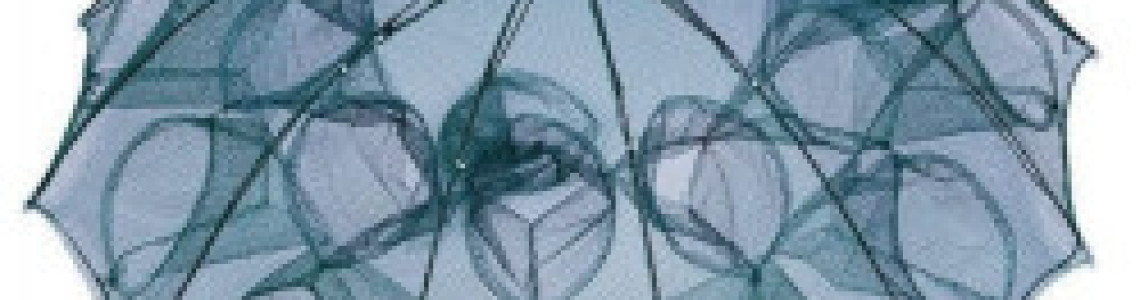
How to Set Up and Use a 24-Hole Portable Fishing Net (Crab, Eel, Fish)
A 24-hole portable fishing net is an essential tool for Kenyan anglers and small-scale fishers, offering a versatile, lightweight, and efficient solution for catching crabs, eels, tilapia, and other species. Proper deployment, baiting, and maintenance ensure high catch rates, durability, and safe use in both freshwater and coastal environments.
Why a 24-Hole Portable Net Matters in Kenyan Waters
Quick Answer:
The 24-hole portable net allows fishers to catch multiple species simultaneously with minimal infrastructure. Lightweight, collapsible, and durable, it’s ideal for rivers, lakes, and coastal waters such as Lake Victoria, the Tana River estuary, and mangroves along the Indian Ocean. Proper use maximizes productivity and sustainability.
How to Select Your Portable Fishing Net
Quick Answer:
Choose a net based on durability, mesh size, portability, and buoyancy. Materials like corrosion-resistant nylon or coated wire ensure longevity, while correct hole size targets your preferred species efficiently.
Selection Table
| Feature | Recommendation | Kenyan Context |
|---|---|---|
| Material | Nylon, coated wire, or corrosion-resistant steel | Saltwater areas like Mombasa require corrosion-resistant coatings |
| Hole Size | Small for crabs/eels, medium for tilapia | Helps retain small fish in Lake Victoria or Tana River |
| Portability | Lightweight, foldable, compact | Essential for small-scale fishers traveling between sites |
| Buoyancy | Weighted bottom, buoyant top | Maintains net stability in tidal or river currents |
Step 1: Baiting the Net
Quick Answer:
Use species-specific bait in designated compartments or mesh pockets. Fresh bait attracts crabs, eels, and tilapia efficiently while avoiding overloading and spoilage.
| Target Species | Recommended Bait | Tips |
|---|---|---|
| Crabs | Fish heads, shrimp shells, chicken pieces | Replace every 24 hours for freshness |
| Eels | Fish chunks, worms, insect larvae | Avoid too much bait in a single compartment |
| Tilapia / Small Fish | Bread, dough balls, meat chunks | Position bait where natural fish movement occurs |
Step 2: Deploying the Net
Quick Answer:
Proper deployment ensures catch efficiency and prevents net damage. Anchor nets securely, position entrances strategically, and adjust for local water conditions.
Deployment Table
| Environment | Placement | Anchoring |
|---|---|---|
| Freshwater | Shallow banks, submerged vegetation, rocky outcrops | Use moderate weights to prevent drifting |
| Saltwater / Coastal | Tidal channels, estuaries, mangroves | Use floats or buoys; deploy at high tide for best results |
Timing: Deploy nets for 12–24 hours. Always check local regulations regarding size limits and seasonal restrictions.
Step 3: Monitoring and Harvesting
Quick Answer:
Inspect nets daily to remove catches, replace bait, and prevent overcrowding. Handle species carefully to avoid damage and record productive locations and times.
Check for trapped crabs, eels, and tilapia.
Replace bait as needed.
Maintain a log of yields for future planning.
Step 4: Maintaining Your 24-Hole Net
Quick Answer:
Regular maintenance preserves mesh integrity and extends net life. Proper cleaning, drying, and storage prevent rust, mold, and corrosion.
Maintenance Table
| Task | Instructions | Local Considerations |
|---|---|---|
| Rinse | Use freshwater after each session | Essential for saltwater use along Mombasa coast |
| Inspect | Check mesh, weights, and frames for damage | Prevent deterioration in rivers with rocky debris |
| Dry | Complete drying before storage | Avoid Nairobi sun for long-term material stability |
| Lubricate | Apply light oil to metal parts if applicable | Protects hinges and fasteners from rust |
| Storage | Fold compactly in ventilated, shaded areas | Prevents UV damage and warping |
Freshwater vs Saltwater Applications
Quick Answer:
Adapt net deployment, mesh size, and anchoring to the environment. Freshwater nets are lighter, while saltwater nets require corrosion-resistant coatings and heavier weights.
| Environment | Target Species | Special Notes |
|---|---|---|
| Freshwater | Tilapia, eels, freshwater crabs | Moderate weights suffice |
| Saltwater | Crabs, eels, small coastal fish | Use corrosion-resistant nets, heavier anchors |
Common Mistakes to Avoid
Using incorrect bait for target species
Deploying in debris-heavy areas
Failing to anchor or mark nets, causing drift
Neglecting maintenance, leading to rust or torn mesh
Overcrowding bait compartments
Using incorrect bait for target species
Deploying in debris-heavy areas
Failing to anchor or mark nets, causing drift
Neglecting maintenance, leading to rust or torn mesh
Overcrowding bait compartments
Recommended Products from Maimun Fishing & Tackles Ltd
Fishing Gear – 24-hole nets and general fishing equipment
Fishing Accessories – Anchors, floats, and bait compartments
Netting Products – Durable mesh for coastal and freshwater use
Aquaculture Fishing Accessories – Complementary tools for fish farms
Fishing Gear – 24-hole nets and general fishing equipment
Fishing Accessories – Anchors, floats, and bait compartments
Netting Products – Durable mesh for coastal and freshwater use
Aquaculture Fishing Accessories – Complementary tools for fish farms
Call to Action
Explore high-quality portable fishing nets, baiting systems, and accessories at Maimun Fishing & Tackles Ltd. Visit www.shop.mft.co.ke or contact our experts at 0706 903465 for guidance on selecting the best nets for crabs, eels, fish, or aquaculture operations.
Leave a Comment