


Pond Liner Repair: Fix Leaks Without Draining
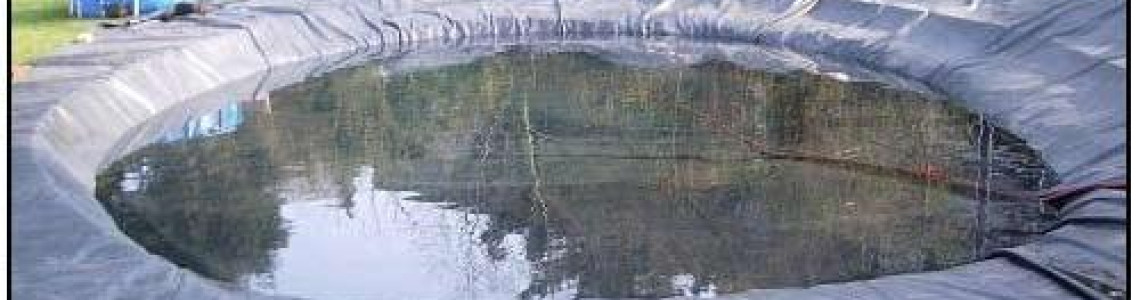
Why Pond Liner Repair Matters for Fish Farmers
Learning pond liner repair correctly helps fish farmers prevent unnecessary water loss, protect fish health, and extend the lifespan of their aquaculture investment. A damaged pond liner does not always mean the entire pond needs to be emptied or rebuilt. In many cases, small punctures and tears can be identified and repaired while the pond remains operational.
HDPE pond liners are popular in Kenya because they provide excellent water retention, flexibility, and protection against seepage. However, even strong liners can be damaged by:
- Sharp stones beneath the liner
- Tree roots
- Poor installation practices
- Heavy equipment movement
- Animal activity
- Extreme pressure points
A small puncture can gradually become a bigger problem if ignored. Reduced water levels can affect fish growth, increase management costs, and create unstable pond conditions.
Effective pond liner repair involves:
- Finding the source of the leak
- Assessing the damage
- Cleaning the repair area
- Applying the correct patch method
- Monitoring the repair afterwards
For farmers who need replacement materials or additional liner support, MFT Kenya provides aquaculture solutions, including HDPE pond liners and pond construction accessories.
Maimun Fishing & Tackles Ltd (MFT) supplies fishing equipment, aquaculture products, nets, ropes, and outdoor solutions for farmers and businesses across Kenya.
How to Identify a Pond Liner Leak Before Repair
The first step in successful pond liner repair is finding the exact location of the damage.
Not every drop in water level means the liner is punctured. Water loss can also occur due to:
- Evaporation
- Splashing
- Overflow issues
- Poor drainage design
- Damaged inlet or outlet pipes
Before repairing the liner, farmers should confirm that the problem is actually caused by a puncture.
Signs That Your Pond Liner Needs Repair
Common signs of liner damage include:
Falling Water Levels
A pond that loses water faster than normal may have a leak.
Farmers should compare water loss during similar weather conditions to determine whether evaporation is the cause.
Wet Areas Around the Pond
Unexpected wet patches outside the pond may indicate water escaping through a damaged liner.
Check:
- Pond edges
- Low areas around the pond
- Soil moisture patterns
Exposed Fish Pond Liner Sections
Areas where the liner has moved, folded, or become exposed may experience higher stress and damage risk.
Step 1: Check the Water Level Before Starting Pond Liner Repair
Before searching for a puncture, monitor the water level.
Allow the pond water level to drop naturally and observe where the water stops reducing.
If the level stops dropping at a certain point, the leak may be located around that height.
This method helps narrow down the search area without removing all the water.
Step 2: Find the Exact Location of the Puncture
Finding the leak is often the most difficult part of pond liner repair.
Farmers can inspect the liner using several methods.
Visual Inspection
Look carefully for:
- Small holes
- Cuts
- Tears
- Loose sections
- Damaged seams
Inspect areas where:
- Stones may have pressed against the liner
- Equipment has been used
- Animals may have accessed the pond
Checking Pond Edges
Many liner leaks occur near the edges because of:
- Poor anchoring
- Exposure to sunlight
- Movement caused by wind
- Soil settlement
Farmers should inspect the liner where it enters the anchor trench.
Using Dye Testing
For difficult leaks, harmless dye testing can help identify water movement.
The dye follows the water path and can show where leakage occurs.
Step 3: Prepare the Area for Pond Liner Repair
Once the puncture is located, the repair area must be prepared correctly.
The surface should be:
- Clean
- Dry
- Free from mud
- Free from algae
- Free from debris
A dirty repair area can prevent the patch from bonding properly.
Repairing Small HDPE Pond Liner Punctures
Small punctures are among the easiest liner problems to repair.
The repair process usually involves:
- Cleaning around the damaged area.
- Preparing a suitable HDPE patch.
- Applying the correct bonding method.
- Pressing the patch firmly.
- Allowing enough time for the repair to set.
The repair material should be compatible with the original liner.
Using the wrong material may create a temporary fix that fails later.
Can You Repair a Pond Liner Without Draining the Pond?
Yes, some pond liner repair jobs can be completed without fully draining the pond.
This depends on:
- Leak location
- Size of damage
- Accessibility
- Fish stocking conditions
- Repair method
Small punctures near the water surface are usually easier to repair while the pond remains filled.
However, larger damage or major seam failures may require partial draining for proper access.
Repairing Pond Liner Damage Underwater
Underwater repairs require additional care because:
- The surface is wet
- Adhesion is more difficult
- Visibility may be limited
Before attempting an underwater repair:
- Confirm the leak location
- Clean the area as much as possible
- Use suitable waterproof repair materials
- Monitor the repair afterwards
For larger commercial ponds, professional liner repair methods may be recommended.
Common Causes of HDPE Pond Liner Damage
Understanding why liners fail helps farmers prevent future problems.
Poor Ground Preparation
Installing a liner over:
- Sharp stones
- Roots
- Construction debris
can create pressure points that eventually cause punctures.
Incorrect Installation
Problems can occur when:
- The liner is stretched too tightly
- Edges are not anchored properly
- Seams are poorly joined
Correct installation improves liner lifespan.
Sun Exposure
Exposed liner sections can weaken over time due to continuous sunlight exposure.
Farmers should protect exposed edges using proper finishing methods.
Preventing Future Pond Liner Damage
Good maintenance reduces the need for frequent repairs.
Farmers should:
- Inspect pond edges regularly
- Remove sharp objects near the pond
- Maintain proper water levels
- Prevent animals from damaging exposed liner areas
- Monitor changes in water loss
A well-maintained liner can provide many years of reliable service.
Pond Liner Repair vs Replacing the Entire Liner
Not every damaged liner needs replacement.
Repair is usually suitable when:
- Damage is small
- The liner is generally in good condition
- The problem is isolated
Replacement may be considered when:
- Multiple large tears exist
- The liner has become brittle
- Damage is widespread
- Repair costs approach replacement costs
Farmers should assess the overall condition before making a decision.
Choosing the Right Pond Liner for Long-Term Performance
Prevention starts with selecting the right liner quality.
Important factors include:
- HDPE thickness
- Installation conditions
- Pond size
- Soil type
- Expected usage period
Farmers planning new ponds or replacing damaged liners can explore aquaculture solutions from MFT Kenya for pond liners and related products.
Supporting Materials Needed for Pond Maintenance
A complete fish farming setup requires additional equipment beyond the liner itself.
Farmers may need:
- Fish nets
- Harvesting equipment
- Ropes
- Pond accessories
Reliable fishing nets help farmers manage harvesting and fish handling operations efficiently.
Strong ropes and twine can also support pond structures, cages, and general farm applications.
MFT Kenya Aquaculture Supplies
Maimun Fishing & Tackles Ltd supports fish farmers with products designed for aquaculture, fishing, and outdoor applications.
Available solutions include:
- HDPE pond liners
- Aquaculture equipment
- Fishing nets
- Ropes and twine
- Fishing accessories
Browse additional products through the MFT fishing accessories collection.
MFT Kenya Store and Delivery Information
Maimun Fishing & Tackles Ltd (MFT)
Visit Us: Darosa Plaza, Karen Road, Nairobi, Kenya
Phone: +254 706 903 465
Email: [email protected]
Store Hours:
- Monday–Friday: 8:00 AM – 5:00 PM
- Saturday: 8:00 AM – 4:00 PM
- Sunday & Public Holidays: Closed
Nationwide Delivery Across Kenya
MFT supplies aquaculture and fishing products to farmers and businesses across Kenya, including:
- Nairobi
- Kisumu
- Nakuru
- Eldoret
- Mombasa
- Malindi
- Thika
- Meru
- Nyeri
- Naivasha
- Kitale
Conclusion: Fixing Pond Liner Problems Before They Become Expensive
Effective pond liner repair helps fish farmers reduce water losses, protect their investment, and maintain stable pond conditions. Identifying leaks early, preparing the repair area correctly, and using compatible repair materials can extend the working life of an HDPE liner.
For farmers building new ponds or maintaining existing aquaculture systems, proper installation and regular inspection remain the best ways to prevent liner problems. With quality pond liners, nets, ropes, and aquaculture supplies from MFT Kenya, farmers can maintain more reliable fish production systems.
Leave a Comment