


Nymphing vs Dry Fly on Kenyan Trout Streams
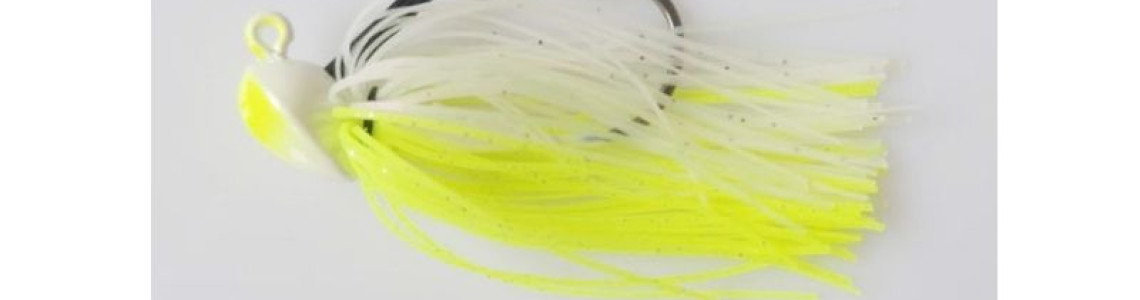
Choosing Between Nymphing and Dry Fly Fishing in Kenya
Nymphing and dry fly fishing are two of the most effective fly fishing techniques for Kenyan trout streams, but nymphing usually produces more consistent results because trout spend most of their feeding time below the surface. Dry flies become highly effective when insects are actively hatching and trout are rising.
Kenya's highland trout rivers offer diverse fishing conditions where both techniques have a place. A morning on a cold mountain stream may require a weighted nymph drifting through deeper runs, while the same river later in the afternoon may come alive with trout taking insects from the surface.
Understanding when to use each method helps anglers adapt instead of relying on one approach.
Key trout fishing areas in Kenya include:
- Aberdare Range streams
- Mount Kenya rivers
- Nanyuki highland waters
- Mau Forest catchments
- Private trout streams and farms
For beginners, learning both methods creates a more complete understanding of trout behaviour.
Maimun Fishing & Tackles Ltd (MFT) supplies fly fishing flies, rods, lines, and accessories for anglers exploring Kenya's trout waters.
Browse fly fishing equipment:
product/category&path=fly-fishing
What Is Nymphing?
Nymphing is a fly fishing technique where anglers present artificial flies underwater to imitate immature aquatic insects eaten by trout.
A nymph represents the underwater stage of insects such as:
- Mayflies
- Caddisflies
- Stoneflies
Because these insects spend most of their lives underwater, nymphing matches a major part of a trout's natural diet.
What Is Dry Fly Fishing?
Dry fly fishing uses floating artificial flies that imitate adult insects resting on or moving across the water surface.
Dry flies imitate:
- Adult mayflies
- Caddisflies
- Terrestrial insects
- Small surface insects
The appeal of dry fly fishing is visual—the angler watches the trout rise and take the fly.
Nymphing vs Dry Fly: The Main Difference
The biggest difference is where the fly is presented: nymphs fish below the surface while dry flies imitate insects on top of the water.
| Feature | Nymphing | Dry Fly |
|---|---|---|
| Fishing depth | Underwater | Surface |
| Main imitation | Insect larvae | Adult insects |
| Success rate | Usually more consistent | Depends on insect activity |
| Visibility | Angler watches line/indicator | Angler watches fly |
| Best conditions | Cold water, cloudy days, deeper pools | Hatches, calm water, rising trout |
| Beginner difficulty | Moderate | Requires accurate presentation |
Why Nymphing Often Wins on Kenyan Trout Streams
Nymphing often outperforms dry fly fishing because trout feed underwater throughout the year, even when no insects are visible on the surface.
Kenyan mountain streams frequently have:
- Cool water temperatures
- Strong currents
- Limited surface insect activity
- Deep pools and runs
These conditions favour subsurface feeding.
A Prince Nymph, Hare's Ear Nymph, or Pheasant Tail Nymph can imitate many natural food sources without requiring an active hatch.
Best Conditions for Nymphing
Nymphing is most effective when trout are feeding below the surface or when surface activity is limited.
Ideal situations include:
Cold Morning Water
Trout are often less active near the surface during cold mornings and may feed deeper.
Use:
- Weighted nymphs
- Slow presentations
- Deep drifts
High or Fast Water
Increased current pushes insects underwater, making nymphs a natural food source.
Weighted patterns help reach feeding zones.
After Rainfall
Increased water movement can dislodge aquatic insects, creating excellent nymphing opportunities.
Best Nymph Patterns for Kenyan Trout
Versatile attractor nymphs are effective because they imitate several aquatic insects found in Kenyan highland streams.
Recommended patterns include:
Prince Nymph
The Prince Nymph is a highly versatile nymph pattern that imitates several aquatic insects and works well in fast mountain streams.
Common sizes:
- #10
- #12
- #14
- #16
Pheasant Tail Nymph
The Pheasant Tail imitates small mayfly nymphs and works well in clear water.
Hare's Ear Nymph
The Hare's Ear is a general-purpose pattern that imitates many natural aquatic insects.
Why Dry Fly Fishing Remains Special
Dry fly fishing remains one of the most rewarding techniques because anglers can see the entire presentation and watch trout take the fly.
When conditions are right, dry flies can produce memorable fishing moments.
Advantages include:
- Visual strikes
- Natural presentation
- Exciting surface action
- Easy strike detection
Best Conditions for Dry Fly Fishing
Dry flies perform best when trout are actively feeding on insects at the water surface.
Look for:
- Rising trout
- Insects on the water
- Calm pools
- Warmer afternoons
Reading the Water: When to Choose Each Method
The best technique depends on where trout are feeding, not personal preference alone.
| Water Situation | Better Choice |
|---|---|
| Deep pools | Nymph |
| Fast riffles | Nymph |
| Visible rising trout | Dry fly |
| Insect hatch | Dry fly |
| Clear shallow water | Either |
| Cold morning | Nymph |
| Warm afternoon hatch | Dry fly |
The Dry-Dropper Approach
Direct Answer: A dry-dropper setup combines both methods by using a floating dry fly with a nymph suspended underneath.
This gives anglers two opportunities:
- The dry fly attracts surface-feeding trout.
- The nymph targets deeper fish.
It is especially useful when conditions are uncertain.
Rod, Line and Leader Setup: Nymphing vs Dry Fly
Direct Answer: Nymphing and dry fly fishing can use the same fly rod, but the leader, tippet, and presentation style change depending on the technique.
A versatile Kenyan trout setup can handle both methods.
| Equipment | Nymphing Setup | Dry Fly Setup |
|---|---|---|
| Rod | 4–5 weight fast or medium action | 3–5 weight medium action |
| Leader | 7.5–9 ft, stronger tippet | 9 ft+ tapered leader |
| Tippet | 3X–6X fluorocarbon or nylon | 5X–7X nylon |
| Fly Line | Floating line with weighted flies | Floating line |
| Strike Detection | Indicator or tight-line contact | Visual fly tracking |
Nymphing Techniques for Kenyan Trout Streams
Direct Answer: Successful nymphing depends on getting the fly into the feeding zone while maintaining a natural drift.
Indicator Nymphing
Direct Answer: Indicator nymphing uses a floating indicator to show movement when a trout takes the fly.
This method works well for:
- Beginners
- Deep pools
- Faster currents
- Larger rivers
The indicator should move naturally with the current.
Tight-Line Nymphing
Direct Answer: Tight-line nymphing keeps direct contact with the fly and allows anglers to detect subtle trout takes without relying on an indicator.
Advantages:
- Better strike detection
- Excellent depth control
- Effective in pocket water
This technique works especially well in narrow Kenyan mountain streams.
Swinging a Nymph
Direct Answer: Allowing a nymph to swing at the end of a drift can imitate emerging insects moving toward the surface.
This can trigger aggressive trout, especially during insect activity.
Dry Fly Techniques for Kenyan Trout Streams
Direct Answer: Dry fly success depends on presenting the fly naturally without drag.
Dead Drift Presentation
Direct Answer: A dead drift allows the dry fly to float naturally at the same speed as the current.
This is the most important dry fly technique.
Matching the Hatch
Direct Answer: Matching the hatch means selecting a fly that resembles the insects trout are currently feeding on.
Observe:
- Insects on vegetation
- Floating insects
- Trout rising patterns
Then select:
- Similar size
- Similar colour
- Similar profile
Drag-Free Casting
Direct Answer: Avoiding unnatural movement on the surface increases the chance of trout accepting the fly.
Common causes of drag:
- Poor line control
- Incorrect leader length
- Wrong casting angle
How to Switch From Nymphing to Dry Fly
Direct Answer: Anglers should switch techniques when trout behaviour changes, especially when fish begin rising consistently.
Signs to change from nymphing to dry fly:
- Trout breaking the surface
- Insects visible on the water
- Repeated rises in one area
- Calm water conditions
Signs to return to nymphing:
- No visible feeding activity
- Trout staying deep
- Strong current
- Cold conditions
Beginner Strategy: Which Should You Learn First?
Direct Answer: Beginners should usually learn nymphing first because it produces consistent results and teaches anglers how trout feed below the surface.
A good learning progression:
Step 1: Learn Water Reading
Understand:
- Pools
- Runs
- Current seams
- Feeding zones
Step 2: Learn Basic Nymph Presentation
Practise:
- Drift control
- Depth adjustment
- Strike detection
Step 3: Add Dry Fly Fishing
Once you understand trout behaviour, dry fly fishing becomes easier.
Nymphing vs Dry Fly: Cost Comparison
Direct Answer: Both techniques can be affordable, but nymphing usually requires fewer specialised conditions to be productive.
| Item | Nymphing | Dry Fly |
|---|---|---|
| Flies required | Several weighted flies | Several floating flies |
| Extra equipment | Indicator optional | Floatant often needed |
| Learning curve | Easier consistency | Requires precise presentation |
| Water coverage | More situations | Best during hatches |
Common Mistakes When Choosing Between Nymphs and Dry Flies
Direct Answer: Choosing a technique based only on personal preference instead of river conditions is one of the most common beginner mistakes.
Mistake: Fishing Dry Flies Without Rising Fish
Direct Answer: Dry flies are most effective when trout are actively looking upward for food.
If fish are not rising, a nymph is often the better choice.
Mistake: Ignoring Subsurface Feeding
Direct Answer: Trout may be feeding heavily underwater even when the surface appears inactive.
A quiet river does not always mean inactive fish.
Mistake: Using the Same Fly Size Everywhere
Direct Answer: Fly size should change according to water clarity, insect activity, and trout behaviour.
Carry a range of sizes.
Seasonal Approach for Kenyan Trout Rivers
Direct Answer: Kenyan trout fishing does not follow the same four-season pattern as temperate countries, so anglers should adjust mainly according to water conditions and rainfall.
Dry Periods
Direct Answer: Clear, lower water often requires smaller flies and careful presentations.
Good choices:
- Small nymphs
- Delicate dry flies
- Longer leaders
Rainy Periods
Direct Answer: Higher water often makes nymphing more productive because insects are washed into the current.
Good choices:
- Weighted nymphs
- Larger attractor patterns
Fly Fishing Ethics on Kenyan Streams
Direct Answer: Responsible fishing protects trout populations and maintains Kenya's highland fisheries.
Good practices include:
- Practising careful catch and release.
- Avoiding unnecessary fish handling.
- Respecting private fishing areas.
- Removing litter.
- Avoiding damage to riverbanks.
Frequently Asked Questions
Is nymphing better than dry fly fishing?
Direct Answer: Nymphing is usually more consistent because trout feed underwater most of the time, but dry fly fishing can outperform it during active insect hatches.
What is the best fly for Kenyan trout?
Direct Answer: Versatile patterns such as the Prince Nymph, Hare's Ear Nymph, and Pheasant Tail Nymph are reliable choices, while dry flies become important during surface feeding activity.
Can I use the same rod for nymphing and dry flies?
Direct Answer: Yes. A 4-weight or 5-weight fly rod is suitable for both techniques on most Kenyan trout streams.
When should I use a dry fly?
Direct Answer: Use a dry fly when trout are visibly rising or when insects are actively hatching on the water.
When should I use a nymph?
Direct Answer: Use a nymph when trout are feeding below the surface, during cold conditions, or when there is no visible hatch.
What size nymph works best in Kenya?
Direct Answer: Sizes #10 to #16 cover many Kenyan trout situations, with #12 and #14 being versatile starting points.
Do beginners need both dry flies and nymphs?
Direct Answer: Yes. Carrying both gives beginners the flexibility to adapt to changing river conditions.
MFT Kenya Store and Delivery Information
Direct Answer: Maimun Fishing & Tackles Ltd (MFT) supplies fly fishing equipment, trout flies, lines, rods, and accessories for Kenyan anglers.
Maimun Fishing & Tackles Ltd (MFT)
Address:
[Insert the exact Karen Rd address exactly as provided]
Phone:
[Insert the official MFT phone number exactly as provided]
Store Hours:
[Insert the official store hours exactly as provided]
Delivery Across Kenya
MFT delivers fly fishing products across Kenya, including:
- Nairobi
- Nyeri
- Nanyuki
- Naivasha
- Nakuru
- Eldoret
- Kericho
- Kisumu
- Homa Bay
- Meru
- Embu
- Thika
- Mombasa
- Malindi
- Watamu
Related Products
Prepare your trout fly fishing setup with MFT collections:
1. Fly Fishing
xproduct/category&path=fly-fishing
2. Fly Rods
product/category&path=fly-rods
3. Fishing Line
product/category&path=fishing-line
4. Fishing Accessories
product/category&path=fishing-accessories
Explore More Fishing Guides
Final Verdict: Nymphing or Dry Fly?
For most Kenyan trout anglers, nymphing is the more reliable everyday technique because trout feed underwater in a wide range of conditions. Dry fly fishing remains the more visual and exciting method when trout are actively rising.
The best approach is not choosing one forever—it is learning when each technique matches the river.
A skilled Kenyan fly angler carries both nymphs and dry flies, reads the water carefully, and changes tactics based on trout behaviour. With the right flies, balanced equipment, and guidance from MFT Kenya, anglers can confidently approach the diverse trout streams found across Kenya's highlands.
Leave a Comment