


Mustad Hook Size Chart for Kenyan Fish Species
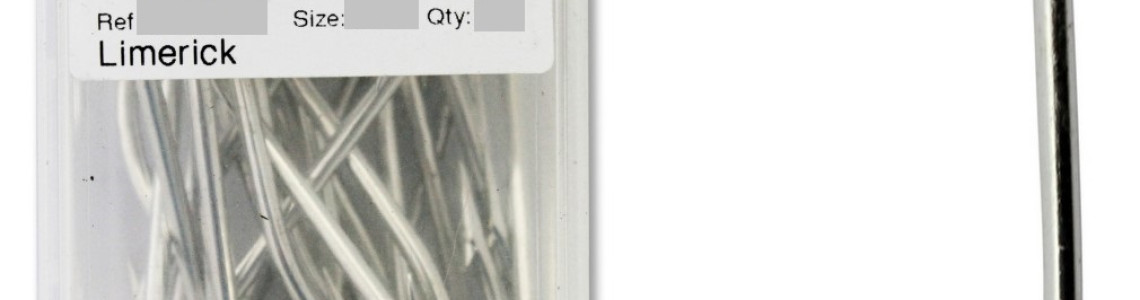
Understanding the Mustad Hook Size Chart for Kenyan Anglers
A Mustad hook size chart helps anglers choose the correct hook size based on target species, bait type, fishing method, and fish size. In Kenya, hook selection is especially important when targeting species such as Nile Perch, Tilapia, Catfish, and marine predators.
A fishing hook is one of the smallest parts of a fishing setup, but it has one of the biggest effects on success. The wrong hook size can lead to:
- Missed strikes
- Poor bait presentation
- Weak hook penetration
- Lost fish
Kenyan anglers fish in many different environments:
- Lake Victoria for Nile Perch and Tilapia
- Lake Naivasha for freshwater species
- Rivers and dams for Catfish and other predators
- Indian Ocean waters around Mombasa, Malindi, and Kilifi for marine fishing
Each environment requires different hook choices.
Maimun Fishing & Tackles Ltd (MFT) supplies fishing hooks, terminal tackle, lines, lures, and accessories for Kenyan anglers.
Shop terminal tackle:
product/category&path=terminal-tackle
What Is a Mustad Hook Size Chart?
A Mustad hook size chart is a reference guide that explains hook sizes and helps anglers select the correct hook for different fishing applications.
Hook sizes can be confusing because the numbering system works differently from normal measurements.
For many standard fishing hooks:
- Smaller numbers often represent larger hooks.
- Larger numbers with additional zeros (such as 1/0, 2/0, 5/0) represent progressively larger hooks.
Examples:
| Hook Size | General Application |
|---|---|
| #10 | Small bait fishing |
| #6 | Small freshwater species |
| #2 | Medium freshwater fishing |
| #1 | Larger freshwater applications |
| 1/0 | Predator fishing |
| 3/0 | Large predators |
| 5/0+ | Heavy predator and marine fishing |
Mustad Hook Size Chart for Kenyan Fish Species
The best Mustad hook size depends on the species, bait size, and fishing method. There is no single hook size that works for every Kenyan fish.
| Fish Species | Recommended Hook Size Range | Common Fishing Method |
|---|---|---|
| Tilapia | #8 – #2 | Natural bait, float fishing |
| Catfish | 1/0 – 5/0 | Bottom fishing |
| Nile Perch | 2/0 – 6/0 | Live bait, lure assist |
| Bass | #2 – 2/0 | Artificial lures |
| Yellowfish | #4 – #1 | River fishing |
| Coastal predators | 3/0 – 8/0 | Marine bait fishing |
Actual hook selection depends on bait size and fishing conditions.
Mustad Hook Sizes Explained
Mustad hook sizes describe the hook’s dimensions, including gap width, shank length, and overall strength.
Important hook measurements include:
Hook Gap
The hook gap is the distance between the hook point and the shank, affecting how well the hook catches fish.
A wider gap helps when:
- Using bulky bait
- Targeting large fish
- Fishing thick-bodied species
Hook Shank Length
Hook shank length affects bait presentation and the type of fishing technique used.
Long shank hooks are useful for:
- Worms
- Strips of bait
- Longer presentations
Short shank hooks are useful for:
- Compact baits
- Stronger hook designs
Hook Wire Strength
Hook wire strength determines how much pressure a hook can handle before bending.
Heavy-wire hooks are preferred for:
- Nile Perch
- Catfish
- Marine predators
Light-wire hooks are preferred for:
- Small species
- Finesse fishing
Mustad Hook Size for Tilapia Fishing in Kenya
Tilapia fishing commonly uses smaller Mustad hooks because Tilapia have relatively small mouths and are often caught using small natural baits.
Recommended sizes:
- #8
- #6
- #4
- #2
Common baits:
- Worms
- Small insects
- Bread-based baits
- Small pellets
Popular Tilapia fishing areas:
- Lake Victoria
- Lake Naivasha
- Farm dams
Why Hook Size Matters for Tilapia
A hook that is too large can prevent Tilapia from taking bait properly.
Common mistakes:
- Oversized hooks
- Heavy wire hooks
- Large bait pieces
A smaller hook allows:
- Better bait presentation
- Easier feeding
- More natural movement
Mustad Hook Size for Nile Perch Fishing
Nile Perch fishing requires stronger and larger Mustad hooks because of the species’ size, power, and aggressive feeding behaviour.
Recommended sizes:
- 2/0
- 3/0
- 4/0
- 5/0
- 6/0
Applications:
- Live bait fishing
- Dead bait fishing
- Lure assist systems
Nile Perch anglers around Lake Victoria commonly require strong terminal tackle because large fish create significant pressure during fights.
Choosing Hooks for Large Nile Perch
Large Nile Perch require strong hooks with reliable penetration and resistance to bending.
Look for:
- Strong hook wire
- Sharp point
- Corrosion resistance
- Suitable gap width
A weak hook can fail even when using strong fishing line.
Mustad Hook Size for Catfish Fishing
Catfish usually require larger hooks because they have strong mouths and are commonly targeted with large baits.
Recommended sizes:
- 1/0
- 2/0
- 3/0
- 4/0
- 5/0
Common baits:
- Fish pieces
- Worms
- Natural bait combinations
Catfish fishing is common in:
- Rivers
- Lakes
- Dams
Mustad Hook Size for Bass Fishing in Kenya
Bass fishing requires hook sizes that match artificial lure size and rigging style.
Common sizes:
- #2
- #1
- 1/0
- 2/0
Applications:
- Soft plastics
- Worm rigs
- Creature baits
Hook selection depends on:
- Soft bait thickness
- Fishing depth
- Cover type
Mustad Hook Size for Coastal Fishing Kenya
Marine fishing generally requires larger, stronger hooks because saltwater species are powerful and tackle faces corrosion.
Common sizes:
- 3/0
- 4/0
- 5/0
- 6/0
- 8/0
Target species may include:
- Kingfish
- Trevally
- Snapper
- Other coastal predators
Coastal locations include:
- Mombasa
- Malindi
- Watamu
- Kilifi
Mustad Hook Size Comparison Table
Matching hook size to fishing style improves bait presentation and landing success.
| Fishing Style | Recommended Mustad Size |
|---|---|
| Small Tilapia bait | #8 – #6 |
| Medium Tilapia | #4 – #2 |
| Bass soft plastics | #2 – 2/0 |
| Catfish | 1/0 – 5/0 |
| Nile Perch | 2/0 – 6/0 |
| Coastal predators | 3/0 – 8/0 |
How to Choose the Correct Mustad Hook Size
Select hook size by matching the hook to the bait, target fish, and fishing method rather than choosing based only on fish size.
Consider:
Match Hook Size to Bait
The hook should complement the bait size while remaining strong enough for the target species.
Examples:
Small bait:
- Small hook
Large live bait:
- Larger hook
Match Hook Strength to Fish Power
Strong fish require stronger hooks.
Examples:
Tilapia:
- Light to medium hooks
Nile Perch:
- Heavy-duty hooks
Match Hook to Fishing Technique
Different techniques require different hook designs and sizes.
Examples:
Float fishing:
- Smaller hooks
Bottom fishing:
- Larger hooks
Soft plastics:
-
Specialised hooks
Mustad Hook Types Explained for Kenyan Anglers
Mustad produces different hook designs for different fishing methods, and choosing the correct style improves bait presentation, hook-up rates, and fish retention.
Hook size alone does not determine success. The hook shape and design must match the fishing technique.
Common Mustad hook types include:
- J-hooks
- Circle hooks
- Treble hooks
- Offset hooks
- Assist hooks
Mustad J-Hooks
J-hooks are traditional fishing hooks used for many freshwater and saltwater applications where anglers actively set the hook after a bite.
A J-hook has a classic shape resembling the letter “J”.
Advantages:
- Versatile design
- Suitable for many bait types
- Easy to use
- Available in many sizes
Common Kenyan uses:
- Tilapia fishing
- Catfish fishing
- Nile Perch bait fishing
Recommended sizes:
Target Fish J-Hook Size Tilapia #8 – #2 Catfish 1/0 – 5/0 Nile Perch 2/0 – 6/0
Mustad Circle Hooks
Circle hooks are designed to hook fish more securely when the fish takes the bait and moves away, reducing the need for aggressive hook setting.
Circle hooks are popular for:
- Catch-and-release fishing
- Live bait fishing
- Large predator fishing
Benefits:
- Better hook placement
- Reduced deep hooking risk
- Good for large fish
Suitable Kenyan applications:
- Nile Perch
- Marine fishing
- Catfish
Mustad Treble Hooks
Treble hooks have three points and are commonly used on artificial lures such as minnows, crankbaits, and topwater lures.
A treble hook increases the chance of connecting with a striking predator.
Common uses:
- Noeby hard baits
- Minnows
- Poppers
- Sinking lures
Treble hooks are important for:
- Predator fishing
- Reaction strikes
- Fast-moving lure presentations
Mustad Offset Hooks
Offset hooks are designed mainly for soft plastic fishing and allow weedless rigging in areas with heavy cover.
Common applications:
- Texas rigs
- Soft worms
- Creature baits
- Paddle tails
Advantages:
- Better presentation around vegetation
- Fewer snags
- Natural soft bait movement
Suitable locations:
- Lake edges
- Weed beds
- River structures
Mustad Assist Hooks
Assist hooks are specialised hooks attached with cord or lines and are commonly used for jigging and strong predator fishing.
Applications:
- Vertical jigging
- Saltwater fishing
- Heavy predator techniques
Hook Size Mistakes Kenyan Anglers Make
Many fishing failures come from selecting hooks that do not match the bait, fish species, or fishing technique.
Mistake 1: Using Hooks That Are Too Large
Oversized hooks can reduce bait movement and make fish suspicious.
Common problems:
- Poor bait presentation
- Fewer bites
- Reduced natural movement
Example:
A small Tilapia bait should not be paired with a large 5/0 hook.
Mistake 2: Using Hooks That Are Too Small
Small hooks may fail when targeting powerful fish because they may not provide enough strength.
Problems:
- Bent hooks
- Poor penetration
- Lost fish
Example:
A small freshwater hook is unsuitable for large Nile Perch.
Mistake 3: Ignoring Hook Sharpness
A sharp hook penetrates more effectively and improves landing chances.
Before fishing, check:
- Hook point condition
- Rust damage
- Hook strength
Mistake 4: Choosing Hook Size Without Considering Bait
Hook selection should always consider bait size because the bait must move naturally.
Examples:
Small bait:
- Small hook
Large live bait:
- Larger hook
Commercial Fishing Hook Selection in Kenya
Commercial fishing operations require hooks selected for durability, efficiency, and target species requirements.
Commercial considerations include:
- High hook strength
- Consistent performance
- Corrosion resistance
- Cost efficiency
Commercial fishers may target:
- Tilapia
- Catfish
- Nile Perch
- Marine species
The correct hook reduces equipment failure and improves productivity.
Recreational Fishing Hook Selection
Recreational anglers should choose hooks based on their preferred species and fishing style rather than carrying only one hook size.
A practical recreational hook selection includes:
Purpose Hook Size Small freshwater fish #8 – #4 General freshwater #2 – 1/0 Predator fishing 2/0 – 5/0 Heavy fishing 5/0+
Mustad Hooks for Lure Fishing
Artificial lure fishing often relies on treble hooks because they increase contact points when predators strike moving lures.
Common lure applications:
- Minnows
- Crankbaits
- Poppers
Important factors:
- Hook weight
- Hook size
- Balance with lure
Changing treble hooks can affect:
- Floating ability
- Sinking speed
- Swimming action
Mustad Hooks for Soft Baits
Soft bait fishing requires hooks that match the bait profile and rigging method.
Common choices:
Texas Rig
Texas rigging uses an offset hook positioned inside a soft bait to reduce snagging around cover.
Suitable for:
- Bass
- Predator fishing
- Weed areas
Jig Head Rig
A jig head combines a hook with a weighted head to control soft bait depth and movement.
Useful for:
- Deeper water
- Slow retrieves
- Structure fishing
Hook Maintenance and Storage
Proper hook maintenance prevents corrosion and keeps hooks sharp and reliable.
Recommended practices:
After Freshwater Fishing
Freshwater hooks should be dried before storage to prevent damage.
Steps:
- Remove dirt.
- Dry completely.
- Store in tackle box.
After Saltwater Fishing
Saltwater hooks require extra cleaning because salt can accelerate corrosion.
Steps:
- Rinse with fresh water.
- Dry thoroughly.
- Check for rust.
- Replace damaged hooks.
Choosing a Mustad Hook Storage System
Organised storage protects hooks and makes selecting the correct size easier.
A good tackle box should separate:
- Hook sizes
- Lures
- Weights
- Terminal tackle
MFT tackle boxes:
product/category&path=tackle-boxes
Frequently Asked Questions About Mustad Hook Size Chart
What size Mustad hook should I use for Tilapia?
Most Tilapia fishing situations use smaller Mustad hooks between size #8 and #2 depending on bait size.
What hook size is best for Nile Perch in Kenya?
Nile Perch commonly requires stronger Mustad hooks between 2/0 and 6/0 depending on bait size and fishing method.
Are bigger fishing hooks better?
Bigger hooks are not always better. The correct size depends on bait, target species, and technique.
What Mustad hook size is good for Catfish?
Catfish anglers commonly use Mustad hooks from 1/0 to 5/0 because catfish often require strong hooks and larger baits.
What hook size is best for Bass fishing?
Bass fishing commonly uses Mustad hooks from #2 to 2/0 depending on soft bait size and rigging method.
How do I know if my fishing hook is too big?
A hook is too large when it affects bait movement, reduces bites, or looks unnatural compared with the bait.
How often should fishing hooks be replaced?
Replace hooks when they become damaged, rusty, blunt, or lose strength.
MFT Kenya Store and Delivery Information
Maimun Fishing & Tackles Ltd (MFT) supplies Mustad hooks, terminal tackle, fishing gear, and accessories for Kenyan anglers.
Maimun Fishing & Tackles Ltd (MFT)
Address:
[Insert exact Karen Rd address provided by MFT]Phone/WhatsApp:
0706 903465Store Hours:
[Insert official MFT store hours]
Delivery Across Kenya
MFT delivers fishing equipment to customers across Kenya, helping anglers access quality terminal tackle outside Nairobi.
Delivery locations include:
- Nairobi
- Kisumu
- Homa Bay
- Naivasha
- Mombasa
- Malindi
- Kilifi
- Nakuru
- Eldoret
- Thika
- Nyeri
- Kakamega
- Machakos
- Meru
- Kericho
Whether fishing freshwater lakes, rivers, dams, or coastal waters, anglers can access suitable hook options.
Related Products and Links
Hooks work best when combined with suitable terminal tackle, fishing lines, lures, and storage equipment.
1. Mustad Hooks and Terminal Tackle
product/category&path=terminal-tackle
2. Fishing Line Collection
product/category&path=fishing-line
3. Fishing Accessories Collection
product/category&path=fishing-accessories
4. Tackle Boxes Collection
product/category&path=tackle-boxesFinal Verdict: Choosing the Right Mustad Hook Size
The correct Mustad hook size depends on the fish species, bait size, and fishing technique. Kenyan anglers should match hook strength and size to their target instead of using one hook for every situation.
Recommended starting points:
- Tilapia: #8–#2
- Bass: #2–2/0
- Catfish: 1/0–5/0
- Nile Perch: 2/0–6/0
- Marine predators: 3/0–8/0
Leave a Comment