


Modern Aquaculture Systems Kenya – Ponds, Cages & RAS | Maimun Fishing & Tackles Ltd
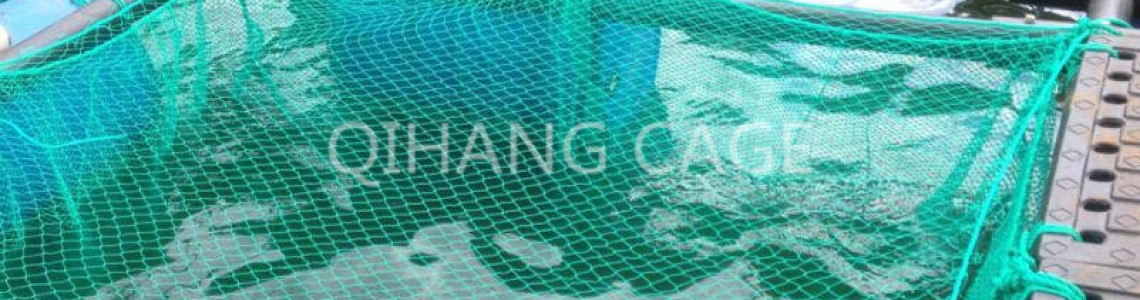
Modern Aquaculture Systems in Kenya: Choosing Between Lined Ponds, Cages, and RAS Setups
Aquaculture in Kenya is rapidly expanding, with counties like Kisumu and Homa Bay leading inland production of tilapia, catfish, and other freshwater species. Rising demand for fish requires farmers to make informed decisions about system design to maximize yields, maintain water quality, and reduce operational risks.
This guide explores modern aquaculture systems—lined ponds, cage systems, and recirculating aquaculture systems (RAS)—with practical insights for Kenyan fish farmers, including locally relevant infrastructure tips and recommended equipment from Maimun Fishing & Tackles Ltd (MFT).
Why System Choice Determines Farm Success
Quick Advisory: The choice of aquaculture system directly affects production efficiency, water quality, and ROI. Selecting the wrong system can lead to higher mortality, increased maintenance costs, and operational challenges.
Key factors influencing system selection:
Water availability and quality
Target species and stocking density
Infrastructure budget and maintenance capacity
Access to feed and nets
MFT supports aquaculture operators with professional-grade nets, feeds, and accessories for each system type:
Lined Ponds: Traditional Yet Effective
Quick Advisory: Lined ponds are cost-effective and versatile, suitable for small- to medium-scale farms. They allow easy monitoring and management of water quality and stocking density, making them ideal for farmers with adequate land and water flow.
Features & Benefits:
Water retention: HDPE or PVC liners prevent seepage
Ease of management: Simple feeding and harvesting routines
Species flexibility: Tilapia, catfish, and ornamental species
Cost efficiency: Moderate capital investment
Considerations for Kenyan Farms:
Proper site leveling and drainage are critical
Liner quality affects pond longevity
MFT provides durable netting for reinforcement: Fish Cage Net Material
Regular pond cleaning prevents sediment buildup and water quality decline
Cage Systems: Maximizing Production on Open Water
Quick Advisory: Cage systems enable high-density stocking without land constraints. Perfect for Lake Victoria fisheries, cages improve water flow and reduce pond construction costs.
Key Benefits:
Efficient water flow: Natural oxygenation reduces aeration costs
Flexible scaling: Add modular cages as production expands
Lower footprint: No extensive land acquisition required
Species-specific growth control: Nets protect stock from predation
Technical Considerations:
Mesh size impacts feed retention and bycatch
Durable nylon nets reduce maintenance and extend service life
Floats, ropes, and anchoring systems must be professionally specified:
Recirculating Aquaculture Systems (RAS): High-Tech, High-Control
Quick Advisory: RAS setups provide maximum control over water quality and biosecurity. Ideal for high-value species or farms with limited water access, RAS enables year-round production at high densities.
Features:
Water recirculation: Precise control of temperature, pH, and oxygen
Biosecurity: Reduces disease outbreaks with closed-loop filtration
Automated monitoring: Sensors track water quality, feed input, and fish growth
High-density production: Maximizes output per cubic meter
Considerations for Kenyan Farmers:
Higher upfront capital and technical expertise required
Energy consumption and maintenance must be planned
MFT supplies compatible nets, feeds, and aeration accessories:
Comparing Systems: Investment and Operational Implications
| System | Initial Investment | Operational Complexity | Water Use | Yield Potential |
|---|---|---|---|---|
| Lined Ponds | Medium | Low | Medium | Moderate |
| Cage Systems | Medium | Medium | High | High |
| RAS | High | High | Low | Very High |
Quick Advisory: System choice should balance capital expenditure, operational complexity, and production targets. Lined ponds suit moderate-scale farms, cages optimize water access, and RAS maximizes high-density production.
Feed and Net Integration for Optimal Yield
Quick Advisory: Proper feed and net management maximizes growth and reduces mortality. Integration of equipment with water systems ensures sustainable, high-yield aquaculture.
Use stock feeds appropriate for species and growth stage: Fish Feed
Employ durable cage nets to prevent escapes and predation: Fish Cage Net Material
Accessories such as floats, anchors, and waders enhance efficiency:
Maintenance and Sustainability
Quick Advisory: Routine maintenance preserves net integrity, water quality, and system efficiency. Neglect leads to stock loss and higher costs.
Best Practices for Kenyan Farms:
Clean pond or cage nets to prevent fouling
Monitor water quality parameters daily
Inspect RAS filters, pumps, and aerators regularly
Replace worn or damaged nets promptly
Call to Action: Build Your Modern Aquaculture Farm
Maimun Fishing & Tackles Ltd
Address: Darosa Plaza, Karen Road, Nairobi
Call/WhatsApp: 0706 903465
Shop Online: www.shop.mft.co.ke
Delivery: Same-day in Nairobi, next-day countrywide to Kisumu, Homa Bay, Eldoret, Nakuru, Meru, Voi, Malindi, Thika, Machakos, Kakamega, Nyeri, Kitale, Bungoma, Garissa, Kericho, and Mombasa
Leave a Comment