


Integrated Farming in Agriculture and Its Benefits
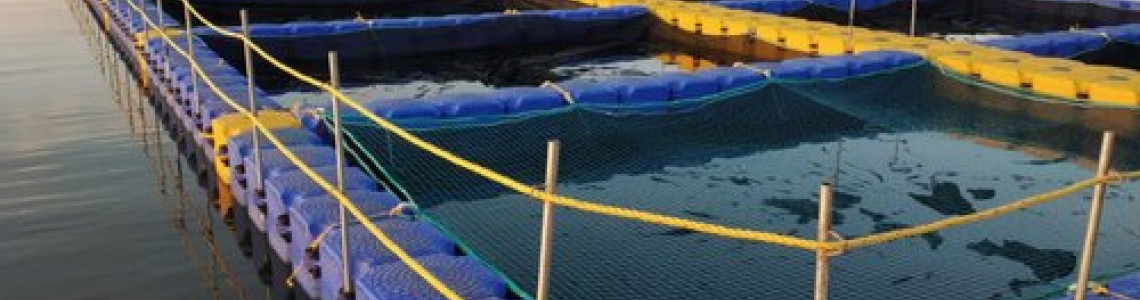
Integrated farming is a connected system where a farmer combines two or more enterprises, such as crops, livestock, poultry and fish, on the same land so the output of one becomes the input for another. Recycling waste lowers spending on chemical fertilisers and animal feed, while manure and compost keep soil fertile year after year.
Integrated farming is a connected agricultural system where a farmer combines two or more enterprises - such as crops, livestock, poultry and fish farming, on the same land so that the output of one activity becomes the input for another.
How Integrated Farming Helps Agricultural Growth
- Lower Costs: Recycling waste means farmers spend less money on outside supplies like chemical fertilizers and animal feed.
- Better Soil Health: Using natural animal manure and compost adds essential nutrients back into the soil, keeping it fertile and productive year after year.
- Multiple Incomes: Growing different crops and raising various animals gives farmers steady income all year and protects them if one product fails.
- Less Waste: Turning crop leftovers into animal feed and using animal waste to fertilize fish ponds or crops creates a clean, circular system that saves resources.
- More Jobs: Managing different farm activities creates more work opportunities for family members and local workers throughout the year.
Published · Updated
About Maimun Fishing Tackles. Serving Kenya's fishing community since 1975 (founded as Asma & Sons in Old Town Mombasa) — fishing tackle, nets, aquaculture equipment and farm netting, with branches in Mombasa (Nehru Road), Nairobi (Darosa Plaza, Karen Road), Malindi and Naivasha. Questions about this guide? Call or WhatsApp +254 706 903 465 or email [email protected].
Leave a Comment