


How to Lay Mulch Film: Complete Farming Guide
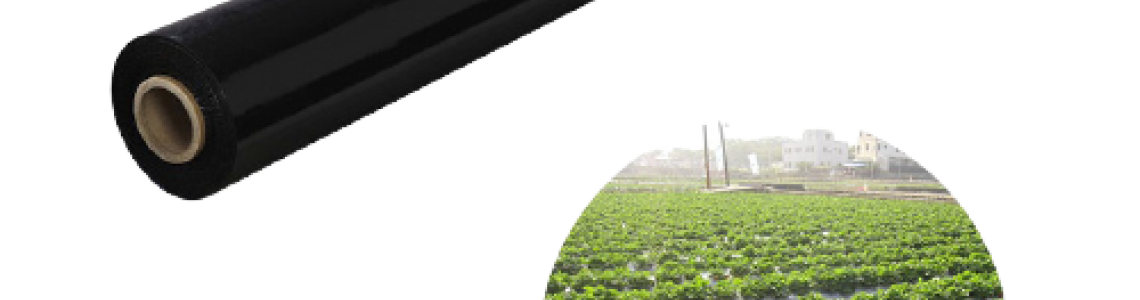
How to Lay Mulch Film Correctly for Maximum Crop Performance
Mulch film should be installed on a properly prepared planting bed with correct drip line positioning and secure edge anchoring. A well-installed mulch film system improves moisture retention, reduces weeds, protects crops from soil splash, and increases efficiency in Kenyan vegetable and horticultural farming.
Modern farmers in Kenya are increasingly adopting mulch film as part of precision farming practices. With rising labour costs, unpredictable rainfall patterns, and increasing demand for high-quality produce, farmers need systems that improve productivity while reducing unnecessary input losses.
Mulch film is an agricultural plastic covering placed directly over cultivated soil to create a controlled growing environment. It is commonly used together with drip irrigation to deliver water efficiently while protecting the soil surface from evaporation and weed growth.
In Kenya, mulch film is widely used by:
- Commercial vegetable growers in Naivasha, Nakuru, and Kiambu
- Greenhouse farmers around Nairobi and Limuru
- Small-scale farmers growing tomatoes, onions, peppers, cucumbers, and strawberries
- Export-oriented horticulture farms supplying supermarkets and international markets
The effectiveness of mulch film depends largely on installation quality. A high-quality film will only perform well when the farmer prepares the bed correctly, selects the correct film width, positions irrigation lines properly, and anchors the material against wind.
Maimun Fishing & Tackles Ltd (MFT) supplies agricultural and environmental solutions for Kenyan farmers, including products designed for modern farming systems. Farmers looking for additional agricultural materials can explore MFT’s range through the Agriculture Supplies and Farming Products section.
What Is Mulch Film and How Does It Work?
Mulch film is a thin agricultural polyethylene sheet installed over soil to regulate moisture, suppress weeds, improve soil conditions, and support healthier crop growth. It acts as a protective barrier between the soil and external environmental conditions.
Unlike ordinary plastic sheets, agricultural mulch films are manufactured specifically for crop production. They are designed to withstand outdoor exposure, sunlight, and farming conditions.
The main functions of mulch film include:
Weed Suppression
Mulch film controls weeds by blocking sunlight from reaching weed seeds beneath the soil surface. This reduces competition between weeds and crops for nutrients, water, and space.
Weeds are a major challenge for Kenyan farmers because they increase labour requirements and reduce crop productivity.
Without mulch film, farmers may spend significant time on:
- Manual weeding
- Herbicide application
- Crop maintenance
Black mulch film is commonly preferred because it prevents light penetration while maintaining a clean planting environment.
Moisture Conservation
Mulch film reduces water loss by limiting evaporation from exposed soil surfaces, helping crops receive more consistent moisture between irrigation cycles.
Water efficiency is becoming increasingly important in Kenyan agriculture due to changing weather patterns and limited irrigation resources.
Mulch film helps farmers:
- Reduce irrigation frequency
- Improve water-use efficiency
- Maintain stable root-zone moisture
- Reduce crop stress during dry periods
This makes mulch film especially valuable in dry and semi-arid counties such as:
- Machakos
- Kajiado
- Kitui
- Laikipia
Temperature Regulation
Mulch film influences soil temperature by controlling how much heat enters or escapes the soil. Different film colours provide different temperature effects.
For example:
- Black mulch film warms the soil while blocking weeds
- Silver-black film reflects sunlight and can help reduce heat stress
- Clear film allows more sunlight penetration for soil warming
Farmers should select the correct film type depending on:
- Crop requirements
- Climate conditions
- Planting season
- Farming location
Benefits of Using Mulch Film in Kenya
Mulch film improves farming efficiency by reducing weeds, conserving water, protecting crops, and improving produce quality. When correctly installed, it can reduce production costs and improve crop uniformity.
1. Reduced Labour Requirements
Mulch film reduces the amount of manual labour needed for weed control and soil maintenance.
For commercial farmers, labour reduction can significantly improve profitability.
Vegetable farms producing:
- Tomatoes
- Capsicum
- Strawberries
- Melons
- Cucumbers
can benefit from reduced field maintenance requirements.
2. Cleaner Harvests
Mulch film prevents direct contact between crops and soil, helping farmers produce cleaner fruits and vegetables with improved market appearance.
During heavy rainfall, uncovered soil can splash onto crops, causing:
- Mud contamination
- Reduced appearance quality
- Increased cleaning requirements after harvest
This is especially important for premium crops such as strawberries and export vegetables.
3. Better Fertiliser Efficiency
Mulch film helps retain nutrients near the crop root zone by reducing runoff and improving moisture stability.
When combined with drip irrigation and fertigation systems, mulch film allows farmers to apply:
- Water
- Fertilisers
- Crop nutrients
more efficiently.
Types of Mulch Film Used by Kenyan Farmers
Farmers choose mulch film based on crop type, climate, soil conditions, and production goals. The most common options include black mulch film, silver-black mulch film, clear mulch film, and biodegradable mulch materials.
| Mulch Film Type | Main Function | Suitable Applications |
|---|---|---|
| Black Mulch Film | Weed control and moisture retention | Tomatoes, vegetables, peppers |
| Silver-Black Mulch Film | Pest management and temperature control | Commercial horticulture |
| Clear Mulch Film | Soil warming | Cooler highland areas |
| Biodegradable Mulch Film | Reduced plastic waste | Sustainable farming systems |
Farmers looking for complete agricultural solutions can also explore MFT’s environmental and farming resources through the Water and Environmental Solutions Kenya guide.
How to Prepare Raised Beds Before Installing Mulch Film
A properly prepared raised bed creates a stable foundation for mulch film installation. The soil should be smooth, level, free from sharp objects, and ready for irrigation before the film is placed.
Poor preparation is one of the biggest causes of mulch film failure.
Common installation problems caused by poor bed preparation include:
- Torn film
- Loose edges
- Uneven irrigation
- Water pooling
- Poor crop spacing
Step 1: Clear the Planting Area
The first step before laying mulch film is removing weeds, stones, crop residues, and materials that could damage the plastic sheet.
Farmers should remove:
- Old crop remains
- Large soil clumps
- Roots
- Stones
- Sharp objects
Any object beneath the film can create punctures that reduce the lifespan of the material.
Step 2: Improve Soil Structure
The soil should be prepared before covering because mulch film does not correct poor soil conditions after installation.
Before laying the film:
- Cultivate the soil
- Add compost or fertiliser according to crop needs
- Break compacted areas
- Level the surface
The goal is to create a smooth planting bed where water can move evenly.
Step 3: Create Raised Beds
Raised beds improve drainage, root development, and make mulch film installation easier by providing a defined planting area.
Raised beds are commonly used for:
- Tomatoes
- Strawberries
- Capsicum
- Leafy vegetables
The ideal bed size depends on:
- Crop spacing
- Irrigation method
- Farm equipment
- Labour practices
Choosing the Correct Mulch Film Width
The correct mulch film width should cover the entire raised bed while leaving enough material on both sides for secure anchoring.
Choosing the wrong width can create installation challenges.
A narrow film may:
- Leave soil exposed
- Allow weeds to grow at edges
- Tear during stretching
An oversized film may:
- Increase material waste
- Create loose sections
- Require additional fixing
Farmers should measure:
- Bed width
- Bed height
- Required edge overlap
The film should extend beyond the planting area enough to allow proper fixing.
Maimun Fishing & Tackles Ltd
Location: Karen Rd, Nairobi
Phone: 0731 793 572/0753 110 021
Store Hours: Monday – Saturday: 8:00 AM – 6:00 PM
Delivery Areas:
- Nairobi
- Kisumu
- Mombasa
- Naivasha
- Nakuru
- Eldoret
Leave a Comment