


How to Install and Secure Construction Shade Nets for Long-Term Use
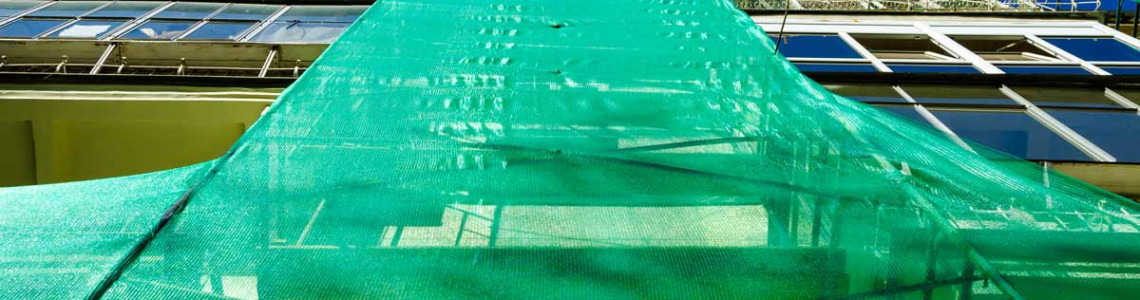
How to Install and Secure Construction Shade Nets for Long-Term Use
Construction shade nets are essential for managing sunlight, wind, and dust across Kenyan construction sites, nurseries, aquaculture farms, and outdoor workspaces. Proper installation and securing ensures durability, safety, and optimal performance, while high-quality HDPE UV-stabilized nets deliver long-term protection even under harsh local conditions.
Introduction: Construction Shade Nets in Kenya
In Kenya, construction shade nets are widely used in commercial, agricultural, and marine environments. They reduce heat stress, protect workers and materials, and maintain optimal conditions for plants and fish. Maimun Fishing & Tackles Ltd supplies durable, UV-stabilized nets designed for Kenyan conditions, ensuring reliability in Nairobi’s intense sun, coastal humidity, or highland wind zones.
Our nets are ideal for construction sites, nurseries, aquaculture ponds, and temporary marine coverage. Choosing the right net and installing it correctly maximizes its lifespan and functionality.
Explore our full range of netting products and aquaculture fishing nets.
Uses of Construction Shade Nets
Quick Answer:
Construction shade nets in Kenya are multi-purpose. They protect workers and materials at construction sites, shield crops and seedlings in agriculture, improve aquaculture pond conditions, and provide temporary marine coverage for boats and equipment.
| Application | Purpose | Example in Kenya |
|---|---|---|
| Construction Sites | Sun, dust, and debris protection | Sand, cement, and material storage at Nairobi or Nakuru sites |
| Agriculture & Gardening | Shade and wind protection | Nurseries and vegetable farms in Rift Valley or Central Kenya |
| Aquaculture | Reduce sunlight stress on fish | Tilapia and catfish ponds in Lake Naivasha or Thika |
| Marine & Outdoor | Temporary sunshade and equipment protection | Boat docks, ropes, and storage in Mombasa or Malindi |
Check agriculture gardening nets & accessories and aquaculture accessories for solutions tailored to your environment.
Cost of Construction Shade Nets in Kenya
Quick Answer:
The cost of shade nets depends on the material, shade percentage, and coverage area. High-quality HDPE UV-stabilized nets cost more but provide longer service life, reducing replacement frequency and maintenance costs.
| Shade Factor | Material | Typical Price Range (KES) | Application |
|---|---|---|---|
| 30–50% | HDPE UV-stabilized | 1,500 – 5,000 | General-purpose construction and nurseries |
| 50–75% | HDPE UV-stabilized | 3,000 – 8,000 | Seedlings, sensitive crops, and aquaculture ponds |
| 75–90% | HDPE UV-stabilized | 5,000 – 15,000 | High-UV areas, greenhouses, and shading for fragile plants |
Investing in durable nets ensures cost-efficiency and consistent protection across Kenyan climates.
Durability of Construction Shade Nets
Quick Answer:
Long-lasting shade nets are UV-stabilized, abrasion-resistant, and installed with proper tension. Reinforced corners and regular maintenance prevent tearing and wind damage, extending the net’s service life.
| Feature | Benefit for Kenyan Conditions |
|---|---|
| UV-Stabilized HDPE | Protects against Nairobi sun and coastal UV rays |
| Reinforced Corners & Grommets | Prevents tears at high-stress points |
| Proper Tension & Anchoring | Reduces sagging during wind or rain |
| Easy Maintenance | Allows cleaning of dust, leaves, and debris |
Step-by-Step Installation Guide
Step 1: Measure and Prepare the Site
Quick Answer:
Accurate site measurement ensures complete coverage, proper support, and ground clearance for long-term net performance.
Measure total area to be shaded
Identify strong support points: poles, scaffolding, walls
Maintain slight clearance from the ground to prevent soil contact
Step 2: Select Anchors and Fasteners
Quick Answer:
Using strong, UV-resistant anchors and ropes prevents slippage and extends net lifespan.
Hooks, eye bolts, or U-bolts for corner fastening
UV-resistant ropes or cable ties for edges
Turnbuckles for adjusting tension
Step 3: Lay Out the Shade Net
Quick Answer:
Correct net alignment and overlap between sections prevent gaps and ensure uniform coverage.
Unroll the net and align over the area
Plan overlaps if multiple nets are required
Step 4: Secure Corners and Edges
Quick Answer:
Start with corners, then secure edges and intermediate points to prevent flapping and wind damage.
Attach corners with rope or cable ties
Apply moderate tension with turnbuckles
Secure intermediate points along edges
Step 5: Inspect and Adjust
Quick Answer:
Regular inspection during the first weeks ensures proper tension and long-term durability.
Ensure the net is taut but not overstretched
Adjust fasteners periodically
Reinforce high-stress areas with additional ties
Tips for Long-Term Performance
Quick Answer:
Proper handling, maintenance, and choosing wind-permeable nets where needed prevent damage and extend net life.
Avoid over-tightening
Use wind-permeable nets in high-wind areas
Fold and store removed nets in dry, shaded areas
Clean regularly to remove debris
Fishing and Aquaculture Applications
Quick Answer:
Construction shade nets are versatile and can enhance aquaculture operations and fishing gear storage.
Cover fish ponds to reduce sunlight stress and improve growth
Provide temporary sunshade for gear storage and net drying
Combine with aquaculture products for complete farm solutions
Explore aquaculture fishing accessories.
Why Choose Maimun Fishing & Tackles Ltd
Quick Answer:
Maimun Fishing & Tackles Ltd provides high-quality, durable shade nets and expert advice for construction, agriculture, aquaculture, and marine operations throughout Kenya.
Trusted supplier of nets, fishing gear, aquaculture, marine, and gardening equipment
Durable UV-stabilized materials designed for Kenyan climates
Countrywide delivery: Nairobi, Kisumu, Nakuru, Mombasa, Eldoret, Malindi, Nyeri, Thika, Garissa, Voi, Machakos, Kericho, Bungoma
Visit MFT in Nairobi: Darosa Plaza, Karen Rd. Call/WhatsApp: 0706 903465
Store Hours: Mon–Fri 08:30–17:00, Sat 09:00–14:00
Recommended products:
Leave a Comment