


New Benefits of HDPE Virgin Shade Nets for Greenhouses and Nurseries in KenyaBlog Post
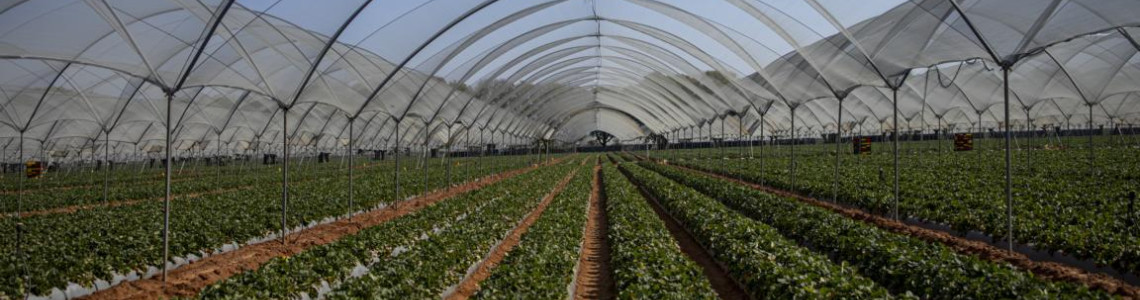
Benefits of HDPE Virgin Shade Nets for Greenhouses and Nurseries in Kenya
HDPE (High-Density Polyethylene) virgin shade nets are engineered agricultural protection systems designed to regulate light intensity, temperature, and airflow in Kenyan farming environments. They play a critical role in greenhouse management, nursery protection, and climate control by creating stable microclimates that improve crop survival, growth uniformity, and long-term productivity in Kenya’s high-UV and variable climate conditions.
Introduction: Kenyan Agricultural Context and Professional Insight
In Kenya’s agricultural zones—from the high-UV conditions of Nairobi and Machakos, to the humid Lake Victoria basin, and the semi-arid regions of Eastern Kenya—crop protection is not optional, it is structural to farm success. HDPE virgin shade nets are increasingly adopted in greenhouses, nurseries, horticultural farms, and aquaculture systems because they provide consistent environmental control without chemical dependency.
Unlike recycled polyethylene nets, virgin HDPE nets are manufactured from pure polymer resin, resulting in higher tensile strength, uniform fiber structure, and superior UV resistance. Maimun Fishing & Tackles Ltd has built long-standing technical expertise in supplying durable netting systems for agriculture, aquaculture, and environmental control applications across Kenya, supporting both commercial-scale farms and smallholder producers.
HDPE Virgin Shade Nets in the Kenyan Environment
Material and Structural Composition
Quick Answer:
HDPE virgin shade nets are manufactured from non-recycled polyethylene polymer, producing uniform fibers with high tensile strength, superior UV stability, and long-term structural integrity under Kenyan sun exposure and climate stress.
Technical Properties
Property Specification Base Material Virgin High-Density Polyethylene (HDPE) UV Protection UV-stabilized polymer additives Fiber Structure Monofilament woven construction Tear Resistance High mechanical strength under tension Weight Profile Lightweight, load-distributing mesh Environmental Resistance Heat, humidity, rain, and wind tolerant Lifespan 5–7+ years with proper maintenance
| Property | Specification |
|---|---|
| Base Material | Virgin High-Density Polyethylene (HDPE) |
| UV Protection | UV-stabilized polymer additives |
| Fiber Structure | Monofilament woven construction |
| Tear Resistance | High mechanical strength under tension |
| Weight Profile | Lightweight, load-distributing mesh |
| Environmental Resistance | Heat, humidity, rain, and wind tolerant |
| Lifespan | 5–7+ years with proper maintenance |
These properties allow HDPE shade nets to perform reliably under Nairobi’s high solar radiation, Rift Valley wind exposure, and humid lake-region conditions.
Uses of HDPE Virgin Shade Nets in Greenhouses
Sunlight Regulation and Heat Control
Quick Answer:
HDPE shade nets regulate solar radiation by filtering light intensity, reducing greenhouse heat buildup and preventing crop stress in Kenya’s high-temperature zones.
Functional benefits include:
Reduction of leaf scorching
Stabilized internal temperatures
Lower soil moisture evaporation rates
Controlled transpiration cycles
Shade density selection (30%, 50%, 70%, 90%) allows precise control based on crop sensitivity and regional climate.
Pest and Bird Control
Quick Answer:
HDPE shade nets act as physical barriers against insects and birds, reducing crop damage without chemical intervention.
They are widely used to:
Protect fruiting crops
Shield seedlings from insect pressure
Reduce bird intrusion in nurseries
Support integrated pest management systems
Growth Optimization
Quick Answer:
By stabilizing light exposure and temperature, HDPE nets improve photosynthesis efficiency, seedling uniformity, and flowering consistency.
This directly improves:
Crop morphology
Root development
Flowering cycles
Yield predictability
Supporting greenhouse systems can be integrated using products from Maimun’s agriculture and gardening equipment range.
Uses of HDPE Virgin Shade Nets in Nurseries
Nursery Protection Systems
Quick Answer:
In Kenyan nurseries, HDPE shade nets provide controlled light diffusion, moisture retention, and environmental shielding for young plants.
Applications include:
Seedling propagation zones
Transplant hardening areas
Wind and dust protection barriers
Rain dispersion control
Durability of HDPE Virgin Shade Nets
Quick Answer:
Virgin HDPE nets outperform recycled alternatives in UV resistance, mechanical strength, and lifespan, making them suitable for long-term agricultural infrastructure.
Durability Characteristics
Feature Performance Benefit UV Stabilization Prevents polymer breakdown Tear Resistance Withstands wind loading Weather Resistance Handles heat, rain, and dust Structural Memory Maintains mesh geometry Maintenance Cycle Low upkeep requirements
| Feature | Performance Benefit |
|---|---|
| UV Stabilization | Prevents polymer breakdown |
| Tear Resistance | Withstands wind loading |
| Weather Resistance | Handles heat, rain, and dust |
| Structural Memory | Maintains mesh geometry |
| Maintenance Cycle | Low upkeep requirements |
Under Kenyan conditions, properly installed nets achieve operational lifespans exceeding 5–7 years.
Cost Structure of HDPE Virgin Shade Nets in Kenya
Quick Answer:
Pricing is influenced by shade density, material thickness, coverage area, and polymer quality, with virgin HDPE nets offering superior long-term value despite higher initial cost.
Cost Determinants
Factor Impact Shade Percentage Light control efficiency Net Density Structural strength Roll Dimensions Coverage capacity Polymer Quality Durability and lifespan
| Factor | Impact |
|---|---|
| Shade Percentage | Light control efficiency |
| Net Density | Structural strength |
| Roll Dimensions | Coverage capacity |
| Polymer Quality | Durability and lifespan |
High-quality nets reduce replacement cycles and maintenance costs.
Installation Process for HDPE Shade Nets
Structured Installation Guide
Quick Answer:
Correct installation ensures load distribution, airflow, and durability under Kenyan wind and heat conditions.
| Step | Technical Requirement |
|---|---|
| Area Measurement | Allow anchoring overlap |
| Frame Preparation | Rigid structural supports |
| Net Positioning | Uniform mesh alignment |
| Edge Fixing | UV-resistant ties |
| Tensioning | Controlled tension balance |
| Maintenance | Routine inspection |
Supporting materials can be sourced from Maimun’s netting and accessories range.
Additional Applications and Cross-Sector Use
Quick Answer:
HDPE virgin shade nets are multi-sector systems used in agriculture, aquaculture, and environmental control.
Applications extend to:
Aquaculture pond shading systems
Livestock shelter shading
Marine equipment storage protection
Agricultural drying structures
Integrated systems can be supported using Maimun’s aquaculture equipment collection.
Why Choose Maimun Fishing & Tackles Ltd
Quick Answer:
Maimun Fishing & Tackles Ltd is a trusted Kenyan supplier of HDPE netting systems with proven expertise across agriculture, aquaculture, and environmental infrastructure.
They provide:
Virgin HDPE agricultural nets
Professional installation guidance
Multi-sector netting solutions
Long-term technical support
Explore complementary systems through the fishing and utility collections.
Frequently Asked Questions
What is the difference between virgin and recycled HDPE nets?
Virgin HDPE nets offer higher tensile strength, better UV resistance, and longer lifespan due to pure polymer structure.
Which shade percentage is best for greenhouses in Kenya?
Most crops perform well under 50%–70% shading, depending on crop type and regional climate.
How long do HDPE shade nets last outdoors?
With proper installation and maintenance, 5–7 years or more.
Can HDPE nets be used in aquaculture farms?
Yes, they are commonly used for pond shading and algae control.
Do HDPE nets require special maintenance?
Routine inspection and cleaning are sufficient for long-term performance.
Delivery and Availability Across Kenya
Maimun Fishing & Tackles Ltd supplies HDPE virgin shade nets and agricultural netting systems across Eldoret, Machakos, Bungoma, Thika, Kisumu, Nyeri, Voi, Malindi, Nakuru, Kericho, Garissa, Mombasa, and Nairobi.
Same-day delivery is available within Nairobi, with next-day delivery to most other regions.
Support and Information:
Frequently Asked Questions
Visit the MFT Blog
Leave a Comment