


HDPE Pond Liner Lifespan in Kenya's UV Climate
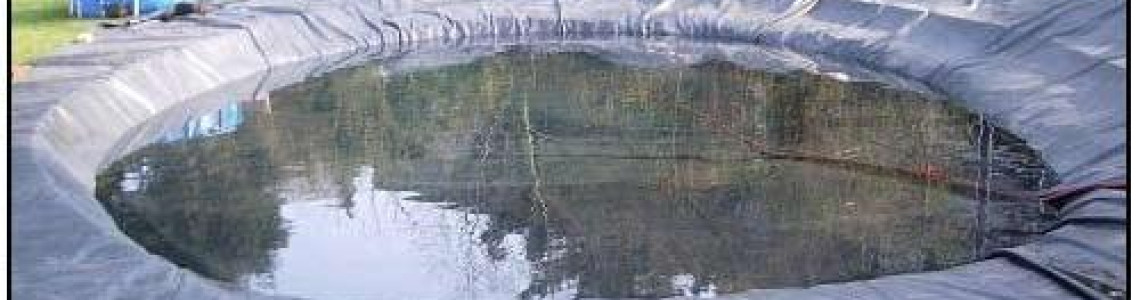
Understanding HDPE Pond Liner Lifespan in Kenya
The HDPE pond liner lifespan depends on several factors, including liner quality, UV exposure, installation method, soil conditions, and maintenance practices. In Kenya’s equatorial climate, where sunlight intensity is high throughout the year, choosing the correct liner grade and installing it properly are essential for achieving long-term performance.
HDPE (High-Density Polyethylene) pond liners are widely used in fish farming, water storage, irrigation reservoirs, and aquaculture projects because they provide excellent water retention and resistance against many environmental conditions.
However, not all pond liners perform the same way. A quality HDPE liner with proper UV protection can provide many years of service, while poor installation or constant exposure of vulnerable areas can reduce its working life.
Farmers evaluating pond construction should consider:
- HDPE thickness
- Carbon black UV protection
- Installation quality
- Soil preparation
- Exposure conditions
- Maintenance routine
For farmers looking for durable water retention solutions, MFT Kenya supplies aquaculture products, including HDPE pond liner solutions suitable for different fish farming and water management applications.
How Long Does an HDPE Pond Liner Last in Kenya?
A properly manufactured and installed HDPE pond liner can provide many years of service in Kenya when protected from unnecessary damage and maintained correctly. The actual lifespan depends on the liner grade, UV exposure, installation quality, and operating conditions.
The lifespan of a pond liner is influenced by:
- Material quality
- Thickness
- Sun exposure
- Ground preparation
- Water conditions
- Physical protection
A liner installed correctly in a well-prepared pond will generally last longer than one installed on rough ground or exposed unnecessarily along the edges.
Why HDPE Pond Liners Are Popular in Kenya
HDPE liners are increasingly used by Kenyan farmers because they solve many challenges associated with traditional earthen ponds.
Benefits include:
- Reduced water seepage
- Better water control
- Suitable for different soil types
- Easier pond management
- Improved durability
Traditional ponds can experience water losses, especially in areas with sandy or porous soils. HDPE liners create a barrier between the soil and water, helping farmers maintain more stable pond levels.
Farmers can combine liners with other aquaculture solutions such as fishing nets and aquaculture equipment for complete fish production systems.
The Role of Carbon Black in HDPE Pond Liner Lifespan
One of the most important factors affecting HDPE pond liner lifespan is UV protection.
Quality HDPE liners contain carbon black additives that help protect the material from ultraviolet radiation.
Carbon black helps:
- Absorb UV radiation
- Reduce material degradation
- Improve outdoor durability
- Maintain liner flexibility
Because Kenya receives strong sunlight throughout the year, UV resistance is especially important for exposed sections of pond liners.
A liner without proper UV protection may become:
- Brittle
- Weaker
- More prone to cracking
How Kenya's Sun Affects HDPE Pond Liners
Kenya’s climate presents unique conditions for outdoor materials.
High solar exposure can affect materials through:
- Heat cycles
- UV radiation
- Temperature changes
The areas most affected are usually:
- Exposed pond edges
- Liner sections above the waterline
- Poorly covered sections
The pond area under water receives additional protection because water reduces direct UV exposure.
Exposed Edges: The Weakest Point of Pond Liners
While the main pond surface may remain protected, exposed edges often experience faster ageing.
Common problems include:
- Direct sunlight exposure
- Physical damage
- Wind movement
- Accidental cuts
Farmers should protect exposed liner edges by:
- Properly anchoring the liner
- Covering exposed sections where possible
- Maintaining the pond surroundings
Correct edge installation is one of the easiest ways to improve liner durability.
How HDPE Thickness Affects Pond Liner Lifespan
Thickness plays an important role in determining liner performance.
Thicker liners generally provide:
- Better puncture resistance
- Improved durability
- Higher tolerance against ground movement
The correct thickness depends on:
- Pond size
- Soil conditions
- Presence of stones
- Expected usage
For example:
- Small ornamental ponds may require lighter materials.
- Commercial fish ponds may require stronger liner specifications.
Farmers should select liner thickness based on the actual project requirements rather than choosing only the cheapest option.
MFT Kenya provides aquaculture solutions including pond liner products for different farming applications.
Installation Quality and HDPE Pond Liner Lifespan
Even the highest-quality liner can fail early if installation is poor.
Proper installation includes:
Preparing the Ground
Before laying the liner:
- Remove sharp stones
- Remove roots
- Smooth uneven surfaces
- Compact loose areas
A poorly prepared surface can create pressure points that damage the liner over time.
Correct Liner Placement
The liner should be installed carefully to avoid:
- Excessive stretching
- Unnecessary folds
- Damage during handling
Proper Edge Anchoring
Anchoring prevents:
- Wind movement
- Liner shifting
- Edge exposure
A secure installation improves long-term performance.
Factors That Reduce HDPE Pond Liner Lifespan
Several issues can shorten liner service life.
Poor Soil Preparation
Sharp objects beneath the liner can cause punctures.
Incorrect Installation
Common installation mistakes include:
- Poor joining methods
- Weak anchoring
- Excessive tension
Chemical Exposure
Certain chemicals and contaminants can affect liner performance over time.
Farmers should maintain good water quality and avoid unnecessary chemical exposure.
Physical Damage
Damage may occur from:
- Farm tools
- Animals
- Heavy equipment
- Uncontrolled access around the pond
How to Extend HDPE Pond Liner Lifespan
Farmers can increase liner durability through proper maintenance.
Recommended practices include:
Inspect Pond Edges Regularly
Check for:
- Exposed liner sections
- Movement
- Damage
Maintain the Surrounding Area
Keep the pond area free from:
- Sharp vegetation
- Debris
- Unnecessary traffic
Repair Small Damage Early
Small punctures should be repaired before they become larger problems.
Farmers can use proper fishing accessories and maintenance equipment to support pond management activities.
HDPE Pond Liner Lifespan Compared With Other Pond Systems
When comparing pond construction options, HDPE liners provide several advantages.
HDPE Pond Liners
Advantages:
- Flexible
- Fast to install
- Suitable for different soils
- Easy to repair
Concrete Ponds
Advantages:
- Strong permanent structure
- Suitable for certain intensive systems
Challenges:
- Higher construction costs
- Possible cracking
- More difficult repairs
Signs Your Pond Liner May Need Replacement
Farmers should inspect liners regularly for warning signs.
Possible indicators include:
- Frequent water loss
- Visible cracks
- Brittle surfaces
- Multiple repairs
- Large damaged areas
Repair may be possible for small issues, but severely damaged liners may require replacement.
Supporting Materials for Long-Term Pond Management
Successful fish farming requires more than a durable pond liner.
Farmers may also need:
- Fish nets
- Harvesting equipment
- Ropes
- Pond accessories
Strong ropes and twine are useful for securing nets, cages, and different aquaculture structures.
Reliable fishing nets also help farmers manage stocking, harvesting, and fish handling operations.
MFT Kenya Aquaculture Supplies
Maimun Fishing & Tackles Ltd supports Kenyan farmers with aquaculture and outdoor products designed for practical farming needs.
Products include:
- HDPE pond liners
- Fishing nets
- Aquaculture accessories
- Ropes and twine
- Fishing equipment
Explore more products through the MFT fishing accessories collection.
MFT Kenya Store and Delivery Information
Maimun Fishing & Tackles Ltd (MFT)
Visit Us: Darosa Plaza, Karen Road, Nairobi, Kenya
Phone: +254 706 903 465
Email: [email protected]
Store Hours:
- Monday–Friday: 8:00 AM – 5:00 PM
- Saturday: 8:00 AM – 4:00 PM
- Sunday & Public Holidays: Closed
Nationwide Delivery Across Kenya
MFT supplies aquaculture and fishing products across Kenya, including:
- Nairobi
- Kisumu
- Nakuru
- Eldoret
- Mombasa
- Malindi
- Thika
- Meru
- Nyeri
- Naivasha
- Kitale
Conclusion: Maximising HDPE Pond Liner Lifespan in Kenya
The HDPE pond liner lifespan depends on selecting the right material, preparing the pond correctly, and protecting the liner from unnecessary damage. Kenya’s strong UV conditions make carbon black protection, correct thickness, and proper installation essential factors when choosing a liner.
With regular inspection, proper maintenance, and quality aquaculture supplies from MFT Kenya, farmers can maximise their pond liner investment and maintain reliable fish farming operations for many years.
Leave a Comment