


Hard Baits vs Soft Baits: Which Works in Kenya?
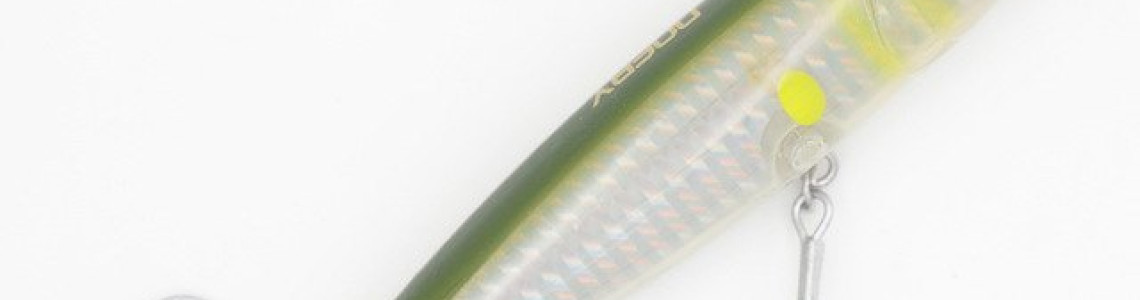
Understanding Hard Baits vs Soft Baits for Kenyan Fishing
Hard baits and soft baits are both effective artificial lures, but they perform differently. Hard baits are best for covering water quickly and imitating active baitfish, while soft baits are better for slow presentations, structure fishing, and pressured fish.
Choosing between hard baits vs soft baits is one of the most common decisions Kenyan anglers face. The right choice depends on:
- Water depth
- Water clarity
- Fish activity
- Target species
- Fishing location
- Weather conditions
A lure that works perfectly in Lake Victoria may not be the best option in a shallow farm dam or coastal environment.
Kenyan anglers fish diverse environments:
- Lake Victoria around Kisumu, Homa Bay, and Migori
- Lake Naivasha
- Rivers and reservoirs
- Coastal waters around Mombasa, Malindi, Kilifi, and Watamu
Each environment requires different lure strategies.
Maimun Fishing & Tackles Ltd (MFT) supplies artificial fishing lures, rods, reels, lines, and accessories for Kenyan anglers.
Shop fishing lures from MFT:
product/category&path=fishing-lures
What Are Hard Baits?
Hard baits are rigid artificial lures made from materials such as ABS plastic, wood, or metal and designed to imitate baitfish, insects, or other prey through built-in movement.
A hard bait is a fishing lure with a solid body that creates action through its shape, diving lip, internal weighting system, or retrieve style.
Common hard bait types include:
- Minnows
- Crankbaits
- Poppers
- Stickbaits
- Sinking lures
Examples from the Noeby range include:
- Noeby NBL 9041 floating minnow
- Noeby NBL 9060 sinking lure
- Noeby NBL 9093 heavy predator lure
Hard baits are popular because they allow anglers to search large areas quickly.
What Are Soft Baits?
Soft baits are flexible artificial lures made from soft plastic materials that imitate worms, baitfish, insects, and other natural prey.
A soft bait uses flexibility to create realistic movement when pulled, dropped, or twitched.
Common soft bait styles include:
- Worms
- Paddle tails
- Shad imitations
- Creature baits
- Grubs
Soft baits are often paired with:
- Texas rigs
- Jig heads
- Weightless hooks
Explore fishing accessories and terminal tackle:
product/category&path=terminal-tackle
Hard Baits vs Soft Baits: Main Differences
The main difference between hard baits and soft baits is how they create movement. Hard baits have built-in action, while soft baits rely more on angler-controlled presentation.
| Feature | Hard Baits | Soft Baits |
|---|---|---|
| Material | Solid plastic/wood/metal | Flexible soft plastic |
| Movement | Built-in action | Controlled by angler |
| Best Speed | Fast to medium retrieves | Slow to medium retrieves |
| Water Coverage | Large areas | Specific targets |
| Depth Control | Built into design | Controlled by rig weight |
| Structure Fishing | Moderate | Excellent |
| Beginner Difficulty | Easier | Requires more technique |
When Kenyan Anglers Should Choose Hard Baits
Hard baits are best when fish are actively feeding, when anglers need to cover water quickly, or when predators are chasing moving baitfish.
Hard baits are especially useful during:
- Active feeding periods
- Clear water conditions
- Open-water fishing
- Searching unfamiliar areas
Hard Baits for Lake Victoria Fishing
Hard baits are effective on Lake Victoria when Nile Perch and other predators are actively chasing baitfish.
Recommended Noeby options:
Noeby NBL 9041
The NBL 9041 floating minnow is suitable for shallow areas where predators are feeding near the surface.
Best situations:
- Morning feeding activity
- Shallow weed edges
- Shoreline fishing
Noeby NBL 9060
The NBL 9060 sinking lure is useful when predators are holding deeper in the water column.
Advantages:
- Longer casting
- Better depth control
- Predator attraction
Suitable areas:
- Drop-offs
- Deeper channels
- Open water
Noeby NBL 9093
The NBL 9093 is designed for anglers targeting larger predators requiring bigger bait profiles.
Useful for:
- Large Nile Perch
- Heavy predator fishing
- Big water applications
When Kenyan Anglers Should Choose Soft Baits
Soft baits are best when fish are inactive, hiding near structures, or require a slower and more natural presentation.
Soft baits excel when:
- Fish are pressured
- Water is shallow
- Predators are near cover
- Fast lures are being ignored
Soft Baits Around Structure
Soft baits are highly effective around structures because anglers can present them slowly without constantly getting stuck.
Good locations:
- Submerged trees
- Rocks
- Weed beds
- Drop-offs
Common rigs:
- Texas rig
- Jig head
- Weightless setup
Water Clarity: Hard Baits vs Soft Baits
Water clarity affects lure selection because fish rely differently on sight and vibration depending on visibility.
Clear Water
Clear water often favours realistic presentations where fish can inspect the lure.
Good choices:
- Natural-colour hard baits
- Realistic soft baits
Techniques:
- Slower retrieves
- More pauses
- Natural movements
Murky Water
Murky water often favours lures that create vibration and movement to help predators locate them.
Good choices:
- Hard baits with strong action
- Soft baits with vibration tails
Depth Comparison: Hard Baits vs Soft Baits
Hard baits usually provide predictable depth ranges, while soft baits allow anglers to adjust depth using different rigs and weights.
| Fishing Depth | Recommended Choice |
|---|---|
| Surface | Floating hard bait |
| Shallow vegetation | Soft bait or floating minnow |
| Mid-water | Sinking hard bait |
| Deep structure | Weighted soft bait |
Fish Mood: The Biggest Factor in Lure Choice
Fish activity level often determines whether hard baits or soft baits produce better results.
Active Fish
Active predators usually respond well to hard baits because they trigger chase behaviour.
Signs of active fish:
- Surface activity
- Baitfish movement
- Aggressive strikes
Use:
- Minnows
- Sinking lures
- Poppers
Inactive Fish
Slow-moving soft baits are often better when predators are reluctant to chase.
Signs:
- Few visible strikes
- Changing weather
- Heavy fishing pressure
Use:
- Texas rigs
- Jig heads
- Slow retrieves
Hard Baits vs Soft Baits for Nile Perch
Both lure types can catch Nile Perch, but the best choice depends on depth, fish location, and feeding behaviour.
| Situation | Better Choice |
|---|---|
| Active feeding | Hard bait |
| Deep searching | Sinking hard bait |
| Structure fishing | Soft bait |
| Slow presentation | Soft bait |
Hard Baits vs Soft Baits for Bass Fishing
Bass anglers benefit from carrying both hard and soft baits because Bass behaviour changes throughout the day.
Morning:
- Hard minnows
- Surface lures
Midday:
- Soft plastics near cover
Evening:
- Active hard bait retrieves
Recommended Kenyan Angler Lure Box
A balanced lure box should include both hard and soft baits to handle changing fishing conditions.
Example setup:
| Category | Example |
|---|---|
| Shallow hard bait | Noeby NBL 9041 |
| Deep hard bait | Noeby NBL 9060 |
| Heavy predator lure | Noeby NBL 9093 |
| Soft bait | Worm/paddle tail |
| Rigging | Texas hooks and jig heads |
How to Switch From Hard Baits to Soft Baits
Anglers should switch from hard baits to soft baits when fish stop chasing, when conditions become difficult, or when fishing heavy structure.
Switch when:
Hard Bait Gets Followed But Not Taken
Following fish without strikes often means the presentation needs to become slower and more natural.
Solution:
- Change to soft bait
- Slow retrieve
- Add pauses
Fish Are Holding Deep
Deep fish may require a slower presentation that stays in the strike zone longer.
Solution:
- Use weighted soft bait
- Use jig head setup
Water Becomes Difficult
Changing visibility or weather can make a different lure presentation more effective.
Best Hard Bait and Soft Bait Colours for Kenyan Waters
The best lure colour depends on water clarity, available prey, light conditions, and fish behaviour. Natural colours work well in clear water, while brighter colours can improve visibility in stained water.
Kenyan fishing waters vary significantly. Lake Victoria may have changing visibility after rainfall, while clear sections of Lake Naivasha and some dams may require more realistic presentations.
Natural Colours for Clear Water
Natural baitfish colours are effective in clear water because predators can closely inspect the lure.
Recommended colours:
- Silver
- Shad patterns
- Green back
- Blue back
- Natural brown
- Transparent finishes
Suitable situations:
- Clear lakes
- Calm weather
- Bright sunlight
Hard baits such as Noeby minnows often use baitfish profiles because predators respond to familiar prey shapes.
Bright Colours for Murky Water
Bright colours improve visibility when water conditions reduce how easily fish can see the lure.
Useful colours include:
- Chartreuse
- Orange
- Yellow
- Bright red combinations
Good conditions:
- After rainfall
- Windy water
- Cloudy days
The goal is not always to imitate prey perfectly but to help predators locate the lure.
Dark Colours for Low Light
Dark lure colours can create a stronger silhouette during early mornings, evenings, or low-light conditions.
Useful options:
- Black
- Dark purple
- Dark blue
These colours create contrast against the sky when fish are looking upward.
Common Hard Bait Fishing Mistakes
Many hard bait failures happen because anglers use the wrong retrieve, incorrect tackle, or unsuitable lure size.
Mistake 1: Using One Retrieve All Day
Changing retrieve speed and style helps match fish behaviour.
Try:
- Fast retrieve
- Slow retrieve
- Stop-and-go
- Twitch and pause
Predator fish do not always respond to the same movement.
Mistake 2: Ignoring Water Depth
A lure that is not reaching feeding depth may never reach active fish.
Example:
A floating Noeby NBL 9041 may work near the surface, while a sinking NBL 9060 can reach deeper areas.
Mistake 3: Using Incorrect Tackle
Rod, reel, and line selection affects lure performance.
A heavy lure requires:
- Stronger rod
- Suitable reel
- Appropriate line strength
A light lure requires:
- Sensitive rod
- Balanced setup
Explore MFT fishing rods:
Common Soft Bait Fishing Mistakes
Direct Answer: Soft bait problems usually come from incorrect rigging, excessive speed, or poor hook placement.
Mistake 1: Rigging the Soft Bait Crooked
A crooked soft bait will not swim naturally and may reduce strikes.
Correct rigging requires:
- Straight body alignment
- Proper hook position
- Balanced movement
Mistake 2: Fishing Too Fast
Soft baits often perform best with slower presentations.
Effective techniques:
- Slow dragging
- Lift and drop
- Long pauses
Mistake 3: Choosing the Wrong Weight
The wrong weight can prevent the soft bait from reaching the correct fishing zone.
Light weight:
- Shallow water
- Slow fall
Heavy weight:
- Deep water
- Strong current
Seasonal Lure Strategy for Kenyan Anglers
Seasonal changes affect fish location and feeding patterns, so lure choice should change throughout the year.
Rainy Season Fishing
During rainy periods, changing water conditions often require lures with stronger visibility and vibration.
Recommended:
- Bright hard baits
- Vibrating soft baits
- Slower presentations
Dry Season Fishing
During dry conditions, predators may become more selective, making realistic presentations more important.
Recommended:
- Natural colours
- Smaller profiles
- Slow soft bait techniques
Early Morning Fishing
Early mornings often favour active lure fishing because predators frequently feed during lower light periods.
Good options:
- Floating minnows
- Surface lures
- Fast retrieves
Midday Fishing
Midday fishing often requires deeper or slower presentations because fish may move away from shallow areas.
Good options:
- Sinking hard baits
- Weighted soft baits
Hard Baits vs Soft Baits: Kenya Buyer Guide
Kenyan anglers should choose hard baits for searching water and soft baits for precise fishing around specific targets.
Choose Hard Baits If You:
- Want to cover large areas
- Are locating active fish
- Prefer aggressive fishing
- Fish open water
Recommended:
- Noeby NBL 9041
- Noeby NBL 9060
- Noeby NBL 9093
Choose Soft Baits If You:
- Fish around cover
- Need a slower presentation
- Target pressured fish
- Want multiple rigging options
Recommended:
- Texas rigs
- Jig heads
- Weightless setups
Frequently Asked Questions: Hard Baits vs Soft Baits
Are hard baits better than soft baits?
Neither is universally better. Hard baits and soft baits are designed for different fishing situations.
Hard baits are better for:
- Searching water
- Active predators
- Fast fishing
Soft baits are better for:
- Slow presentations
- Structure fishing
- Difficult conditions
Which lure is best for Lake Victoria?
The best lure depends on fish depth and activity. Noeby sinking lures such as the NBL 9060 are useful for deeper predator fishing, while soft baits work well around structures.
Should beginners start with hard baits or soft baits?
Beginners often find hard baits easier because they require less rigging knowledge, but learning soft baits provides more fishing options.
A good beginner combination:
- One Noeby floating minnow
- One sinking lure
- Basic soft bait setup
Can soft baits catch big fish?
Yes, soft baits can catch large predators when correctly matched with hooks, line, and presentation.
Do professional anglers use both hard and soft baits?
Yes, experienced anglers commonly carry both because fishing conditions change throughout the day.
How many lures should I carry when fishing Kenya?
A practical lure selection should include several options covering different depths, colours, and presentations.
A balanced box:
- 2–3 hard baits
- Several soft bait styles
- Different hooks and weights
MFT Kenya Store and Delivery Information
Maimun Fishing & Tackles Ltd (MFT) supplies fishing equipment for Kenyan anglers, including Noeby hard baits, soft baits, rods, reels, lines, and accessories.
Store Details
Maimun Fishing & Tackles Ltd (MFT)
Address:
[Insert exact Karen Rd address provided by MFT]
Phone/WhatsApp:
0706 903465
Store Hours:
[Insert official MFT store hours]
Delivery Across Kenya
MFT delivers fishing equipment to anglers across Kenya, supporting fishing communities in major towns and fishing regions.
Delivery locations include:
- Nairobi
- Kisumu
- Homa Bay
- Naivasha
- Mombasa
- Malindi
- Kilifi
- Nakuru
- Eldoret
- Thika
- Nyeri
- Kakamega
- Machakos
- Meru
- Kericho
Anglers fishing Lake Victoria, inland lakes, dams, rivers, and coastal waters can access equipment suited to their fishing style.
Related Products and Links
Combining hard baits and soft baits with the right supporting equipment improves fishing success.
1. Noeby Fishing Lures Collection
product/category&path=fishing-lures
2. Fishing Reels
product/category&path=fishing-reels
3. Fishing Line
product/category&path=fishing-line
4. Terminal Tackle
product/category&path=terminal-tackle
Full MFT Catalogue
Leave a Comment