


Greenhouse Netting in Kenya: Fixing, Tensioning and Wind Damage Prevention
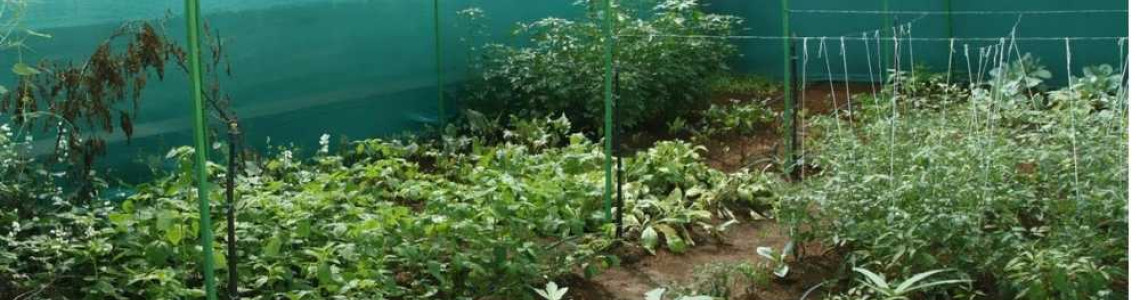
Greenhouse Netting in Kenya: Fixing, Tensioning and Wind Damage Prevention
Understanding Greenhouse Netting in Kenya
Greenhouse netting in Kenya protects crops by controlling insect entry, improving ventilation, reducing environmental stress, and strengthening protected farming structures. Proper fixing, tensioning, and maintenance are essential because poorly installed netting can tear, loosen, or fail during strong winds and harsh weather conditions.
Kenyan greenhouse farming has expanded significantly as farmers look for reliable ways to improve crop production throughout changing weather conditions. From tomato farmers in Naivasha and Nakuru to vegetable growers in Kiambu, Limuru, and Nairobi outskirts, greenhouse structures help create controlled growing environments.
However, the performance of a greenhouse depends on more than the frame and plastic cover. Greenhouse netting plays a critical role in protecting crops from:
- Insect pests
- Strong winds
- Excessive heat
- Bird damage
- Physical crop exposure
Many greenhouse failures are not caused by poor-quality netting but by incorrect installation. Loose nets, weak fixing points, poor tensioning, and inadequate support systems allow wind pressure to damage the structure.
A properly installed greenhouse netting system requires:
- Correct mesh selection
- Strong fixing points
- Even tension distribution
- Suitable clips or fastening systems
- Regular inspection and repairs
Maimun Fishing & Tackles Ltd (MFT) provides agricultural solutions and crop protection materials for Kenyan farmers. Farmers looking for modern farming supplies can explore the Agriculture Supplies Kenya farming and gardening guide.
What Is Greenhouse Netting?
Greenhouse netting is a specialised agricultural mesh installed on greenhouse walls, ventilation areas, or growing structures to protect crops while allowing airflow and light movement. It is designed specifically for controlled farming environments.
Unlike ordinary household nets, greenhouse nets are manufactured using agricultural-grade materials that withstand:
- Continuous sunlight exposure
- Rain
- Wind pressure
- Temperature changes
- Long-term outdoor use
Greenhouse netting is commonly used for:
- Tomato greenhouses
- Capsicum production
- Cucumber farming
- Seedling nurseries
- Flower farming
- Vegetable production
The main purpose of greenhouse netting is to create a protective barrier while maintaining the environmental conditions crops need.
Why Greenhouse Netting Is Important for Kenyan Farmers
Greenhouse netting improves crop protection by reducing pest pressure, supporting ventilation, and helping farmers maintain a more stable growing environment.
Kenyan farmers face several production challenges, including:
- Whiteflies
- Aphids
- Thrips
- Excessive heat
- Strong seasonal winds
- Crop contamination
Greenhouse netting helps address these problems without completely restricting natural airflow.
Protecting Crops from Insect Pests
Insect-proof greenhouse netting creates a physical barrier that reduces the entry of crop-damaging insects while allowing air movement through the greenhouse.
Common greenhouse pests in Kenya include:
- Whiteflies
- Aphids
- Thrips
- Leaf miners
- Moths
These pests can cause:
- Leaf damage
- Virus transmission
- Reduced yields
- Poor fruit quality
Fine mesh insect nets are often installed around greenhouse openings, including:
- Side ventilation areas
- Door entrances
- Roof vents
Improving Greenhouse Ventilation
Greenhouse netting allows controlled airflow, helping reduce excessive humidity and heat accumulation inside protected structures.
Poor ventilation can create conditions that encourage:
- Fungal diseases
- High humidity
- Weak plant growth
- Poor pollination
Proper ventilation is especially important in warmer regions such as:
- Mombasa
- Kilifi
- Coastal Kenya
and during hot periods in:
- Machakos
- Kajiado
- Eastern Kenya
Types of Greenhouse Netting Used in Kenya
Farmers select greenhouse netting based on the protection required, crop type, location, and greenhouse design. The most common options include insect nets, shade nets, and specialised protective meshes.
| Net Type | Main Purpose | Common Applications |
|---|---|---|
| Insect Net | Blocks pests | Tomatoes, vegetables, flowers |
| Shade Net | Controls sunlight and heat | Nurseries and sensitive crops |
| Bird Net | Prevents bird damage | Fruits and open structures |
| Windbreak Net | Reduces wind impact | Exposed farms |
Each net type solves a different farming challenge.
Understanding Greenhouse Net Mesh Size
Mesh size determines what can pass through the net. Smaller mesh openings provide stronger insect protection, while larger mesh sizes improve airflow and reduce heat buildup.
Choosing the correct mesh size requires understanding the target pest.
| Mesh Selection | Suitable Use |
|---|---|
| Fine mesh | Whiteflies and small insects |
| Medium mesh | General insect protection |
| Larger mesh | Birds and physical barriers |
A farmer growing tomatoes in Naivasha may require finer insect protection compared to a farmer protecting fruit trees from birds.
UV Stabilisation in Greenhouse Netting
UV stabilised greenhouse nets are designed to resist damage caused by prolonged exposure to sunlight, extending their useful lifespan in Kenyan farming conditions.
Kenya receives strong solar radiation throughout the year, making UV protection an important factor when selecting greenhouse materials.
Without UV stabilisation, nets may:
- Become brittle
- Lose strength
- Tear easily
- Require frequent replacement
A quality greenhouse net should maintain:
- Flexibility
- Strength
- Mesh structure
- Colour stability
for longer periods.
Greenhouse Net Fixing: Why Installation Matters
Correct greenhouse net fixing prevents sagging, tearing, and wind damage by distributing pressure evenly across the structure. A strong net installed incorrectly will still fail under harsh weather conditions.
Common fixing mistakes include:
- Using weak attachment points
- Leaving loose sections
- Overstretching the net
- Allowing sharp frame edges to contact the material
Proper installation requires planning before attaching the net.
Preparing the Greenhouse Structure Before Fixing Netting
A greenhouse frame should be inspected and prepared before installing netting to ensure the structure can support tension and withstand environmental pressure.
Before installation, farmers should check:
- Frame stability
- Sharp edges
- Loose joints
- Damaged supports
- Door and ventilation openings
Sharp metal edges should be covered or adjusted because they can cut through greenhouse netting over time.
Greenhouse Net Fixing Methods
Greenhouse nets can be fixed using clips, ropes, wires, profiles, or specialised fastening systems depending on the greenhouse design and level of protection required.
Common fixing methods include:
Greenhouse Clips
Greenhouse clips secure netting firmly to frames while allowing maintenance and replacement when required.
Advantages include:
- Quick installation
- Easy repairs
- Strong attachment
- Reduced net damage
Hem Rope Fixing
Hem rope involves reinforcing the edges of greenhouse netting so tension is distributed evenly instead of concentrating stress on small areas.
This method helps prevent:
- Edge tearing
- Loose corners
- Wind lifting
Hem reinforcement is especially useful in windy areas.
Wire and Profile Systems
Permanent greenhouse structures may use wire or profile fixing systems to create stronger long-term attachment points.
These systems are common in commercial greenhouse operations where reliability is important.
Store & Delivery Information
Maimun Fishing & Tackles Ltd supplies agricultural solutions, fishing gear, accessories, and environmental products across Kenya. Farmers looking for greenhouse netting, insect nets, shade nets, bird nets, and other crop protection materials can contact MFT for product availability, guidance, and delivery arrangements.
Location: Karen Rd, Nairobi
Phone: 0731 793 572/0753 110 021
Store Hours: Monday – Saturday: 8:00 AM – 6:00 PM
Delivery Areas
MFT delivers agricultural and fishing products to customers in:
- Nairobi
- Kisumu
- Mombasa
- Naivasha
- Nakuru
- Eldoret
For greenhouse netting, agricultural supplies, fishing equipment, and related farming solutions, contact Maimun Fishing & Tackles Ltd for expert recommendations and delivery support across Kenya.
Leave a Comment