


The Fly Fishing Vest: Why It's Essential and How to Use It
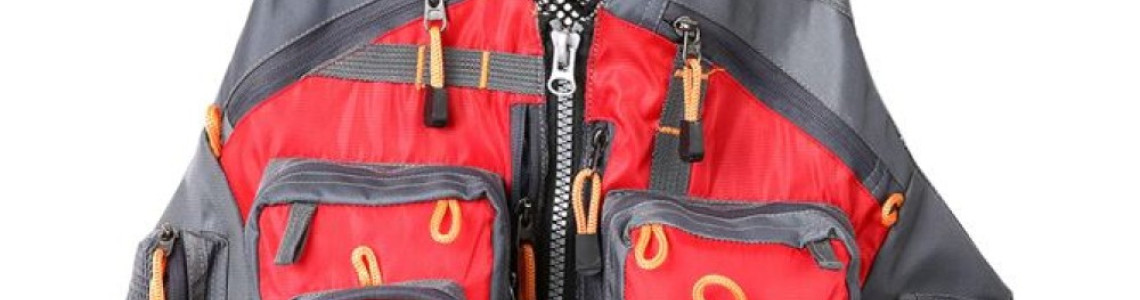
The Fly Fishing Vest: Why It’s Essential and How to Use It in Kenyan Waters
A fly fishing vest is a purpose-built storage system that allows Kenyan anglers to carry, organize, and access essential fishing tools efficiently while wading rivers, lakes, and coastal flats. In Kenya’s diverse fishing environments—from Mount Kenya’s cold trout streams to the warm banks of Lake Victoria—a properly configured vest directly improves mobility, safety, and catch success.
Introduction: Why the Fly Fishing Vest Matters in Kenya
Fly fishing in Kenya demands adaptability. Conditions can shift quickly due to altitude, UV exposure, humidity, and water clarity. Whether you are stalking rainbow trout in the fast-flowing streams of the Aberdares, targeting tilapia along Lake Victoria’s shoreline, or fly casting in calm dam reservoirs, efficiency on the water matters.
Maimun Fishing & Tackles Ltd has supplied fly anglers across East Africa for decades, supporting both recreational and professional fishers with equipment selected for local performance. Through years of field feedback, one item consistently proves indispensable: the fly fishing vest.
A fly fishing vest is not an accessory—it is a mobile workstation engineered to keep essential tools within arm’s reach, reduce downtime, and help anglers respond instantly to changing conditions. This guide explains what a fly fishing vest is, why it is essential in Kenyan environments, how to use it correctly, and how to choose the right configuration for your fishing style.
What Is a Fly Fishing Vest?
Quick Answer:
A fly fishing vest is a lightweight, multi-pocket garment designed to store fly boxes, leaders, tippet spools, tools, and accessories while keeping weight evenly distributed across the angler’s torso. In Kenyan fishing conditions, quality vests are built with breathable mesh panels, corrosion-resistant hardware, and UV-stable fabrics for long days on the water.
A fly fishing vest is typically constructed from ripstop nylon or polyester blends with mesh ventilation zones. These materials allow rapid drying after wading and maintain comfort under prolonged sun exposure, particularly in high-UV regions such as Naivasha, Baringo, and the Rift Valley.
Unlike backpacks or sling bags, vests keep equipment positioned on the chest and sides, allowing anglers to access gear without removing anything—an advantage when standing midstream or navigating uneven riverbanks.
Core Construction Elements
| Component | Technical Specification | Purpose in Kenyan Conditions |
|---|---|---|
| Fabric | Ripstop nylon/polyester, UV-treated | Resists degradation under intense equatorial sun |
| Ventilation | Open mesh panels | Reduces heat buildup in warm climates |
| Hardware | Corrosion-resistant plastic or anodized metal | Withstands humidity and freshwater exposure |
| Stitching | Reinforced bar-tack seams | Prevents tearing when fully loaded |
Why Is a Fly Fishing Vest Essential?
Quick Answer:
A fly fishing vest improves efficiency, mobility, and endurance by keeping essential gear organized and instantly accessible. For Kenyan anglers fishing remote rivers or expansive lakes, this reduces fatigue, increases reaction speed, and minimizes the risk of lost tools or missed opportunities.
1. Organization at Your Fingertips
Fly fishing requires frequent adjustments—changing flies, altering leader lengths, or switching strike indicators. A vest allows each item to have a fixed location, reducing wasted time and unnecessary movement.
This is especially valuable in fast-moving streams around Mount Kenya, where fish often strike within narrow feeding windows.
2. Mobility Without Interruption
In wading scenarios, removing a backpack to retrieve gear increases the risk of slipping or soaking equipment. A vest eliminates this disruption, allowing anglers to stay balanced and focused.
3. Balanced Weight Distribution
Quality vests distribute weight evenly across shoulders and the upper back, reducing strain during long sessions. This is critical for anglers spending full days on Lake Victoria or walking extended river stretches in the highlands.
Key Features of a Quality Fly Fishing Vest
Quick Answer:
A high-quality fly fishing vest includes multiple structured pockets, tool attachment points, ventilation zones, and load-balancing design elements that support extended fishing sessions in varied Kenyan climates.
Essential Vest Features and Their Uses
| Feature | Technical Detail | Practical Benefit |
|---|---|---|
| Front Pockets | Zippered, reinforced seams | Secure storage for fly boxes and leaders |
| D-Rings & Loops | Molded polymer or anodized metal | Attachment for nippers, forceps, nets |
| Fly Patch | Closed-cell foam or hook-compatible fabric | Drying and temporary fly storage |
| Back Storage | Flat-profile compartment | Rain shell or hydration bladder |
| Ventilation Panels | Mesh polyester | Heat dissipation under sun exposure |
Anglers who pair vests with properly selected flies and accessories—such as those found in MFT’s fly fishing gear collections—gain additional efficiency through well-matched equipment setups.
How to Use a Fly Fishing Vest Effectively
Quick Answer:
Effective vest use involves strategic item placement, load management, and consistent organization. Kenyan anglers benefit most when frequently used tools are positioned on the chest, heavier items are balanced, and unnecessary gear is removed.
Best Practices for Vest Setup
Place fly boxes in upper chest pockets for easy access
Attach nippers and forceps to D-rings on the dominant hand side
Store tippet spools vertically to prevent tangling
Keep emergency items in rear pockets for weight balance
A well-organized vest pairs seamlessly with essential accessories commonly used by fly anglers, including terminal tackle and specialized fishing accessories that support quick rig adjustments.
Fly Fishing Vests in Kenyan Fishing Environments
Quick Answer:
Kenya’s fishing environments require fly fishing vests that handle UV exposure, humidity, and varied terrain—from cold, rocky trout streams to warm, open lake systems. Material choice and ventilation are critical for performance.
Environmental Performance Considerations
| Location | Environmental Challenge | Vest Requirement |
|---|---|---|
| Mount Kenya | Cold water, rocky terrain | Durable stitching, compact profile |
| Lake Victoria | Humidity, long sessions | Breathable mesh, corrosion resistance |
| Rift Valley Dams | Intense sun | UV-stable fabric, ventilation |
| Coastal Estuaries | Moist air | Quick-drying materials |
Maimun Fishing & Tackles Ltd sources fishing apparel designed to perform reliably across these environments, informed by feedback from Kenyan anglers and regional fishing professionals.
Vest vs Backpack vs Sling Pack
Quick Answer:
Fly fishing vests offer superior accessibility and balance compared to backpacks and sling packs, making them ideal for wading and active fishing in Kenyan waters.
| Carry System | Accessibility | Stability | Best Use |
|---|---|---|---|
| Fly Fishing Vest | Immediate | High | Rivers, wading |
| Sling Pack | Moderate | Medium | Light gear, short sessions |
| Backpack | Low | Low while wading | Travel, gear transport |
Who Should Use a Fly Fishing Vest?
Quick Answer:
Fly fishing vests are ideal for trout anglers, river fishers, and anyone who needs fast gear access while standing in water or moving frequently along shorelines.
They are particularly valuable for anglers using fly selections such as terrestrials and wet flies, where frequent pattern changes are common depending on hatch conditions.
Frequently Asked Questions
Are fly fishing vests suitable for beginners?
Yes. Vests simplify gear organization and reduce frustration, making them ideal for new anglers learning proper fly management.
Can a fly fishing vest be used in warm climates?
Yes. Mesh-ventilated vests are specifically designed for heat management in warm regions such as Western Kenya.
How much weight should a vest carry?
Only essential gear. Overloading reduces comfort and mobility.
Do fly fishing vests work for lake fishing?
Yes. They are effective for both river and lake environments, especially where frequent tool access is required.
Delivery and Service Coverage in Kenya
Maimun Fishing & Tackles Ltd supplies fly fishing gear across Kenya with efficient logistics covering regions such as Eldoret, Kisumu, Nanyuki, Nyeri, Nakuru, Kericho, Nairobi, Kitale, and surrounding areas. Product availability and delivery timelines vary by location and stock levels.
About Maimun Fishing & Tackles Ltd
Maimun Fishing & Tackles Ltd is a trusted Kenyan supplier of fishing, aquaculture, and marine equipment, serving professionals and enthusiasts across East Africa with field-tested products selected for local conditions.
Learn More
Frequently Asked Questions: https://shop.mft.co.ke/faq
Explore More Fishing Knowledge: https://shop.mft.co.ke/blog
Leave a Comment