


Fishing Net Repair: Mend Torn Nets Like a Pro
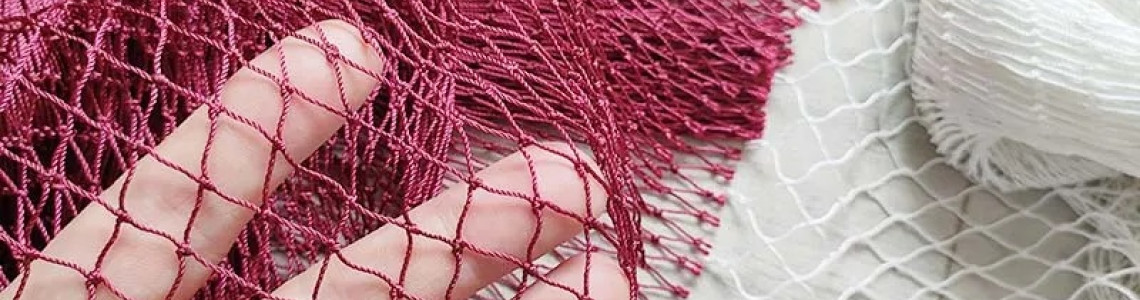
Fishing Net Repair: How to Mend a Torn Net With Needle and Twine
Why Fishing Net Repair Is an Essential Skill
Knowing how to carry out fishing net repair is one of the most valuable skills for both commercial and recreational anglers. A small tear in a fishing net can quickly become a large hole if it is left unattended, reducing catch efficiency, allowing fish to escape, and eventually making the entire net unusable.
Fishing nets operate in harsh environments. They are constantly exposed to rocks, coral reefs, submerged branches, boat propellers, strong currents, and repeated hauling. Even high-quality nets eventually develop worn meshes or broken strands. Fortunately, most damage can be repaired using a netting needle, the correct repair twine, and proper knotting techniques.
Regular repairs help fishers:
- Extend the lifespan of expensive fishing nets
- Reduce replacement costs
- Maintain net strength
- Prevent small tears from spreading
- Improve fishing efficiency
- Keep catches consistent
Whether you operate gill nets, seine nets, cast nets, landing nets or aquaculture nets, learning the correct repair method saves both time and money.
For quality replacement nets, repair twine and fisheries equipment, MFT Kenya supplies a wide range of professional products through its Fishing & Aquaculture collection at fisheries-fishing-net
Why Fishing Nets Become Damaged
Most fishing net damage begins as small tears caused by abrasion, snags or overstressing individual meshes. Repairing these early prevents larger failures and significantly extends the working life of the net.
Fishing nets deteriorate because of:
- Snagging on rocks
- Coral reefs
- Tree stumps
- Sharp shells
- Boat propellers
- Overloaded catches
- UV exposure
- Poor storage
- Animal damage
Many fishers ignore small holes until they become impossible to repair economically.
Routine inspection after every trip greatly reduces repair costs.
Signs Your Fishing Net Needs Repair
Inspect your net regularly for:
- Broken mesh knots
- Torn panels
- Missing mesh sections
- Frayed twine
- Loose float lines
- Damaged lead lines
- Uneven mesh size
- Weak repair areas
Early repairs usually require only a few minutes.
Waiting too long often means replacing entire panels.
Tools Required for Fishing Net Repair
Having the correct equipment makes repairs faster and produces stronger results.
Essential tools include:
Netting Needle
A netting needle carries repair twine through the mesh and makes knot tying easier.
Needles are available in different sizes depending on:
- Mesh size
- Twine thickness
- Net type
Repair Twine
Always choose repair twine that closely matches the original net.
Consider:
- Material
- Diameter
- Colour
- Breaking strength
Using undersized twine creates weak repairs.
Heavy-duty fishing ropes and twine are also useful for repairing headline and footrope sections. MFT Kenya stocks a range of fishing ropes and twine suitable for commercial fishing and aquaculture applications.
Scissors or Knife
A sharp cutting tool allows damaged fibres to be removed cleanly before repairs begin.
Mesh Gauge
Professional net makers often use mesh gauges to maintain consistent mesh sizes during repairs.
Understanding Fishing Net Mesh Structure
Before starting any fishing net repair, it helps to understand how fishing nets are constructed.
Each mesh connects to surrounding meshes through knots.
When one knot breaks:
- Adjacent meshes lose support.
- Stress shifts to neighbouring knots.
- Tears spread rapidly.
Replacing damaged meshes restores the original load distribution.
Step 1: Inspect the Damaged Area
Lay the net on a flat surface.
Identify:
- Broken meshes
- Loose knots
- Missing sections
- Frayed twine
Check beyond the visible hole because surrounding meshes may also have weakened.
Step 2: Trim Loose Fibres
Cut away:
- Broken strands
- Loose fibres
- Damaged knots
Clean edges make stronger repairs.
Avoid cutting healthy mesh unnecessarily.
Step 3: Load the Netting Needle
Wind repair twine evenly onto the needle.
Avoid overloading because:
- Large bundles snag easily.
- Repairs become slower.
- Twine twists more frequently.
Step 4: Match the Existing Mesh Pattern
This is the most important stage.
The repaired section should match:
- Mesh size
- Knot style
- Twine direction
- Tension
Incorrect mesh spacing affects how the net fishes.
Step 5: Tie Secure Repair Knots
Each replacement mesh must be tied firmly.
Good repair knots should:
- Hold under load
- Match neighbouring knots
- Maintain consistent spacing
Loose knots eventually slip.
Overtight knots distort the mesh.
Step 6: Check Mesh Alignment
After repairs:
Inspect for:
- Even spacing
- Uniform openings
- Correct tension
- Smooth transitions
Proper alignment improves fishing performance.
Repairing Large Holes
Large damaged sections require additional work.
The damaged panel may need to be rebuilt mesh by mesh.
Professional repairs usually begin from one intact edge and work across the damaged section.
Maintaining identical mesh dimensions remains essential.
Repairing Float and Lead Lines
Damage is not always limited to the mesh.
Inspect:
- Float ropes
- Lead lines
- Attachment knots
Damaged lines reduce net performance.
Quality fishing ropes and twine help restore strength where float or sinker lines require replacement.
Common Fishing Net Repair Mistakes
Avoid these common errors:
Using Different Twine Sizes
Different diameters create uneven strength.
Pulling Knots Too Tight
This changes mesh size and affects net performance.
Ignoring Small Tears
Tiny holes often become expensive repairs later.
Poor Storage After Repair
Wet nets stored without drying may develop mould and weaken over time.
How to Extend the Life of Your Fishing Net
Routine maintenance reduces repair frequency.
Best practices include:
- Wash nets after use
- Remove weeds and debris
- Dry before storage
- Store away from sunlight
- Repair tears immediately
- Avoid dragging nets over rocks
Regular inspections can double the useful life of a fishing net.
Fishing Net Repair for Different Net Types
The repair method varies slightly depending on the net.
Common net types include:
- Gill nets
- Seine nets
- Cast nets
- Landing nets
- Aquaculture nets
- Predator exclusion nets
Although construction differs, the basic repair principles remain similar.
Farmers using aquaculture systems can also explore MFT Kenya's HDPE pond liners and aquaculture products for complete fish farming solutions.
Why Quality Repair Materials Matter
The strength of a repair depends heavily on:
- Quality twine
- Correct needle size
- Proper knotting
- Compatible materials
Low-quality repair materials may fail long before the original net.
Investing in quality repair supplies reduces repeat repairs and improves overall net performance.
MFT Kenya supplies quality fisheries products, including fishing nets, ropes, twine and fishing accessories suitable for professional and recreational users.
MFT Kenya Fisheries Supplies
Maimun Fishing & Tackles Ltd supports fishers across Kenya with reliable fishing and aquaculture equipment.
Available products include:
- Fishing nets
- Repair twine
- Fishing ropes
- Aquaculture nets
- Pond liners
- Fishing accessories
- Outdoor equipment
Conclusion: Repair Early, Fish Longer
Learning fishing net repair is an investment in the long-term performance of your fishing gear. Small tears can usually be repaired quickly with the correct needle, matching twine and proper knotting technique, preventing costly replacements and keeping your net fishing efficiently.
Whether you fish commercially, operate an aquaculture business or enjoy recreational angling, regular inspections and timely repairs will maximise the lifespan of your equipment. With quality fishing nets, repair twine, ropes and aquaculture supplies from MFT Kenya, you can keep your gear in excellent condition and spend more time catching fish rather than replacing damaged nets.
MFT Kenya Store and Delivery Information
Maimun Fishing & Tackles Ltd (MFT)
Visit Us: Darosa Plaza, Karen Road, Nairobi, Kenya
Phone: +254 706 903 465
Email: [email protected]
Store Hours
- Monday–Friday: 8:00 AM – 5:00 PM
- Saturday: 8:00 AM – 4:00 PM
- Sunday & Public Holidays: Closed
Nationwide Delivery Across Kenya
MFT delivers fisheries and aquaculture products across Kenya, including:
- Nairobi
- Mombasa
- Kisumu
- Nakuru
- Eldoret
- Malindi
- Meru
- Nyeri
- Thika
- Naivasha
- Kitale
Leave a Comment