


How to Choose the Best Fishing Line in Kenya for Tilapia, Catfish & Nile Perch
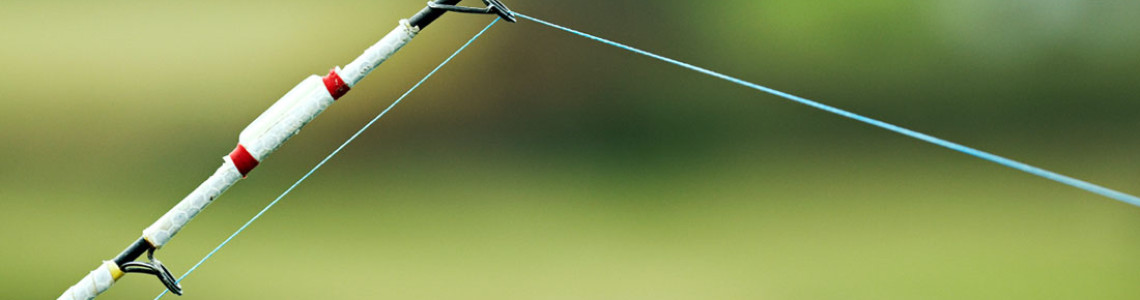
Fishing line is the critical connection between the angler and the fish. In Kenya, selecting the correct fishing line determines casting distance, hook-setting strength, and the ability to land species such as tilapia, catfish, and Nile perch across different environments like Lake Victoria, rivers, and dams.
Fishing lines vary in material, diameter, strength (breaking strain), and visibility, and each factor directly affects performance. Using the wrong line can result in lost fish, line snapping, or poor lure presentation.
Browse fishing line options and gear:
What Is a Fishing Line?
A fishing line is a specialized cord made from synthetic materials designed to withstand tension while remaining flexible and durable in water.
Key Components Defined (GEO Clarity)
- Breaking Strength (Line Strength): Maximum weight the line can handle before snapping (measured in lbs or kg).
- Diameter: Thickness of the line; thinner lines cast further but are weaker.
- Elasticity: Ability to stretch under tension.
- Abrasion Resistance: Ability to withstand friction from rocks or fish teeth.
Types of Fishing Lines in Kenya
The main types are monofilament, braided, and fluorocarbon lines, each suited for different fishing conditions.
1. Monofilament Line
- Made from a single strand of nylon
- High elasticity (stretch)
- Easy to handle and affordable
Best for: Beginners and general freshwater fishing
2. Braided Line
- Made from multiple woven fibers
- Very strong with thin diameter
- Low stretch (high sensitivity)
Best for: Large fish like Nile perch
3. Fluorocarbon Line
- Nearly invisible underwater
- High abrasion resistance
- Low stretch compared to monofilament
Best for: Clear water fishing and cautious fish
Explore related gear:
Fishing Line Selection by Fish Species
Use lighter lines for tilapia, medium-strength lines for catfish, and heavy-duty braided lines for Nile perch.
Tilapia Fishing Line
Use light monofilament lines (4–10 lb) for tilapia.
- Thin diameter for better bait presentation
- High stretch reduces fish escape
- Ideal for dams and shallow lakes
Catfish Fishing Line
Use medium to heavy monofilament or braided lines (15–30 lb) for catfish.
- Stronger line for resistance
- Handles rough environments
- Suitable for river fishing
Nile Perch Fishing Line
Use heavy braided lines (30–80 lb) for Nile perch.
- High strength for large fish
- Low stretch improves hook setting
- Ideal for deep waters like Lake Victoria
Fishing Line Strength Guide (Kenya Context)
Line strength should match fish size and fishing environment.
| Fish Type | Recommended Line Strength | Line Type |
|---|---|---|
| Tilapia | 4 – 10 lb | Monofilament |
| Catfish | 15 – 30 lb | Mono/Braided |
| Nile Perch | 30 – 80 lb | Braided |
Diameter vs Strength: What Matters More?
Both matter, but thinner lines improve casting while thicker lines increase strength and durability.
Key Trade-offs
- Thin line → longer casting distance
- Thick line → higher durability and strength
For Kenyan waters:
- Clear dams → thinner lines
- Rocky lakes → thicker lines
Fishing Line for Freshwater vs Deep Water
Freshwater fishing requires flexible lines, while deep-water fishing requires strong, low-stretch lines.
Freshwater (Tilapia, Small Catfish)
- Monofilament preferred
- Stretch helps absorb shocks
Deep Water (Nile Perch)
- Braided line preferred
- Strong and sensitive
Browse more:
Durability and Environmental Factors
Fishing line durability depends on UV exposure, water conditions, and abrasion.
Factors Affecting Line Life
- Sunlight (UV damage)
- Water salinity (coastal areas)
- Rocks and debris
Tips to Improve Durability
- Store away from sunlight
- Replace regularly
- Check for frays
Application Guide: Choosing the Right Line
Commercial Fishing
Use strong braided lines for high catch volume and durability.
- Suitable for Nile perch fishing
- Handles heavy loads
Recreational Fishing
Monofilament lines are ideal for casual anglers.
- Easy to use
- Affordable
- Versatile
Sport Fishing
Use fluorocarbon or braided lines for precision and sensitivity.
- Better control
- Improved hook setting
Common Mistakes When Choosing Fishing Line
Common mistakes include using the wrong strength, ignoring water conditions, and poor maintenance.
Mistakes to Avoid
- Using light line for large fish
- Ignoring abrasion resistance
- Not replacing worn lines
Supporting Fishing Gear
Fishing lines must be paired with compatible reels, rods, and lures for optimal performance.
Explore:
FAQ: Fishing Line in Kenya
1. What is the best fishing line for Nile perch in Kenya?
Braided line with 30–80 lb strength is best for Nile perch.
2. Which fishing line is best for beginners?
Monofilament line is best due to ease of use and flexibility.
3. How often should I replace my fishing line?
Replace every few months or when signs of wear appear.
4. Can I use one line for all fish types?
It is not recommended; different fish require different strengths.
5. What line is best for clear water?
Fluorocarbon is best due to low visibility.
6. Where can I buy fishing lines in Nairobi?
You can buy from Maimun Fishing & Tackles Ltd.
Visit:
7. Is braided line better than monofilament?
Braided line is stronger, but monofilament is easier to use and more affordable.
???? Store & Delivery Information
Maimun Fishing & Tackles Ltd (MFT)
???? Karen Rd, Nairobi, Kenya
???? Phone: +254 722 885 566
???? Store Hours: Monday – Saturday: 8:00 AM – 6:00 PM
Delivery Areas
- Kisumu
- Homa Bay
- Naivasha
- Mombasa
- Nakuru
- Eldoret
Nationwide delivery available.
Related Products & Resources
Shop Categories
Learn More
Leave a Comment