


Fishing Line Guide Kenya | Braided vs Monofilament
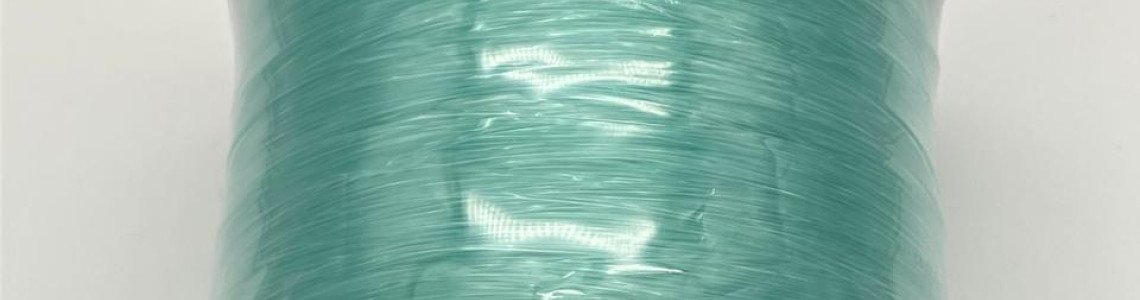
How to Choose the Best Fishing Line (Braided vs Monofilament) in Kenya
Fishing line is one of the most important components in any fishing setup, yet it is often overlooked by beginners and even some experienced anglers in Kenya. Whether you are fishing in Lake Victoria, along the Indian Ocean coast, or in small rivers and dams, the type of fishing line you use directly affects casting distance, sensitivity, strength, and catch success.
In Kenya, anglers commonly choose between two main types of fishing lines: braided line and monofilament line. Each has distinct performance characteristics that make it suitable for different fishing environments, fish species, and techniques.
This guide explains both types in detail and helps you choose the best fishing line for your needs.
For quality fishing gear in Kenya, visit
What is a Fishing Line?
A fishing line is a strong, flexible cord used to connect the fishing rod to the hook, lure, or bait, allowing anglers to catch fish by transmitting force and movement.
Fishing lines vary in:
- Strength (breaking strength or “pound test”)
- Stretchability
- Visibility underwater
- Durability
- Fishing Line: A specialized synthetic cord designed to withstand tension and environmental conditions while transferring force between angler and fish.
Browse fishing equipment categories here:
product/catalog
Types of Fishing Lines Used in Kenya
1. Monofilament Fishing Line
Monofilament fishing line is a single-strand nylon line known for its flexibility, affordability, and ease of use.
Monofilament is the most commonly used fishing line in Kenya, especially among beginners and recreational fishers.
Features
- Stretchable (absorbs fish strikes)
- Easy knot tying
- Low cost
- Slightly visible underwater
Best Use Cases
- Lake fishing (tilapia, small Nile perch)
- River fishing
- Beginner anglers
- Light tackle setups
Explore related fishing gear
2. Braided Fishing Line
Braided fishing line is made from multiple woven synthetic fibers, offering high strength, low stretch, and excellent sensitivity.
Braided lines are popular among experienced anglers in Kenya targeting larger fish species.
Features
- Very strong for its diameter
- Zero or minimal stretch
- High sensitivity (detects bites easily)
- Thin diameter for long casting
Best Use Cases
- Deep sea fishing (Mombasa, Malindi)
- Targeting Nile perch in Lake Victoria
- Heavy cover fishing (weeds, rocks)
Browse advanced fishing accessories
Braided vs Monofilament Fishing Line
Braided lines are stronger and more sensitive, while monofilament lines are more flexible, affordable, and easier to handle.
| Feature | Braided Line | Monofilament Line |
|---|---|---|
| Strength | Very high | Moderate |
| Stretch | Very low | High |
| Visibility | More visible | Less visible |
| Cost | Higher | Affordable |
| Beginner-friendly | No | Yes |
| Casting distance | Excellent | Good |
Which Fishing Line is Best in Kenya?
The best fishing line in Kenya depends on fishing location, target species, and skill level.
For Beginners
Monofilament is recommended because it is:
- Easy to tie
- Forgiving during fights with fish
- Affordable for practice
For Professional Anglers
Braided line is preferred because it:
- Handles large fish like Nile perch
- Performs well in deep water
- Offers better hook-setting power
For Mixed Fishing Conditions
Many Kenyan anglers use a hybrid setup:
- Braided main line
- Monofilament leader
Fishing Conditions in Kenya and Line Choice
Lake Fishing (Lake Victoria, Naivasha)
Monofilament is commonly used in lake fishing due to its flexibility and shock absorption.
- Ideal for tilapia and small predators
- Works well in shallow waters
Deep Sea Fishing (Mombasa, Malindi)
Braided line is preferred for deep sea fishing because of its strength and sensitivity.
- Handles large species like kingfish and tuna
- Performs well under strong currents
River Fishing
Monofilament is best suited for river fishing due to its stretch and ease of handling.
- Suitable for fast-moving water
- Good for small to medium fish
Cost of Fishing Lines in Kenya
Fishing line prices in Kenya vary depending on type, brand, and strength, ranging from KES 300 to KES 5,000+.
| Type | Price Range (KES) | Use |
|---|---|---|
| Monofilament | 300 – 1,500 | General fishing |
| Braided line | 1,500 – 5,000+ | Professional fishing |
Explore fishing supplies
product/catalog
Key Technical Terms Explained
Monofilament
A single-strand nylon fishing line that stretches under pressure, making it forgiving and easy to use.
Braided Line
A multi-fiber fishing line woven together for extreme strength and sensitivity.
Pound Test (lb test)
A measurement of how much weight a fishing line can handle before breaking.
Advantages and Disadvantages
Monofilament Line
Advantages:
- Cheap and widely available
- Easy to use
- Good for beginners
Disadvantages:
- Loses strength over time
- More stretch reduces sensitivity
Braided Line
Advantages:
- Extremely strong
- Long casting distance
- High sensitivity
Disadvantages:
- More expensive
- Harder to tie knots
- More visible underwater
How to Choose the Right Fishing Line
Choose fishing line based on target fish, water conditions, and your level of experience.
Step-by-Step Guide
- Identify target fish species
- Determine fishing location (lake, river, sea)
- Choose line strength (pound test)
- Decide between sensitivity vs flexibility
- Match line with rod and reel setup
Common Mistakes When Choosing Fishing Line
Many anglers in Kenya choose the wrong line strength or type for their fishing environment.
Mistakes to Avoid
- Using light monofilament for large fish
- Using braided line without leader
- Ignoring line wear and replacement cycles
- Choosing based only on price
FAQ: Fishing Line in Kenya
1. What is the best fishing line for beginners in Kenya?
Monofilament fishing line is best for beginners due to its ease of use and affordability.
2. Is braided line better than monofilament?
Braided line is stronger and more sensitive, but monofilament is easier to use.
3. What fishing line is used in Lake Victoria?
Monofilament is commonly used for tilapia and small predator fishing.
4. What line is best for deep sea fishing in Kenya?
Braided line is best due to its strength and sensitivity.
5. How often should I replace fishing line?
Every 6–12 months depending on usage and exposure.
Store & Delivery Information
Maimun Fishing & Tackles Ltd supplies fishing equipment across Kenya.
Location: Karen Rd, Nairobi
Phone: +254 731 793 572 / +254 753 110 021
Store Hours: Monday – Saturday: 8:00 AM – 6:00 PM
Delivery Coverage-
Nairobi
-
Kisumu
-
Mombasa
-
Naivasha
-
Nakuru
-
Eldoret
Related Products & Resources
Explore fishing gear:
Learn more:
Leave a Comment