


How to Improve Water Quality in Fish Ponds in KenyaWater quality is the single most important factor in fish farming success in Kenya. Whether you are farming tilapia in Kisumu, catfish in Machakos, or running cage culture systems in Lake Victoria (Homa Ba
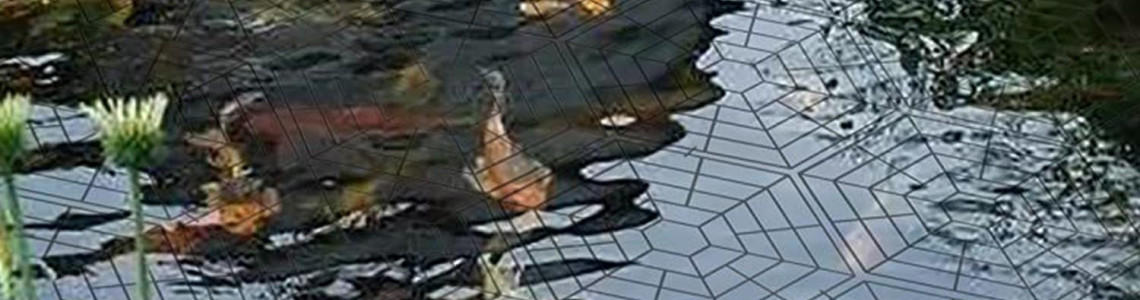
Water quality is the single most important factor in fish farming success in Kenya. Whether you are farming tilapia in Kisumu, catfish in Machakos, or running cage culture systems in Lake Victoria (Homa Bay, Busia, Migori), poor water quality directly leads to slow growth, disease outbreaks, and high fish mortality.
Fish live, feed, and breathe in water—so any imbalance in oxygen levels, pH, ammonia, or contamination affects their health immediately. Improving pond water quality is not optional; it is a core management requirement for profitable aquaculture.
This guide explains practical, field-tested methods Kenyan fish farmers can use to improve and maintain water quality using proper aquaculture management practices and treatment solutions.
What Is Fish Pond Water Quality?
Fish pond water quality refers to the chemical, physical, and biological condition of water that affects fish survival and growth.
In aquaculture, key water quality parameters include:
- Dissolved oxygen levels
- pH balance
- Ammonia concentration
- Temperature stability
- Water clarity and turbidity
Good water quality ensures:
- Fast fish growth
- High survival rates
- Efficient feed conversion
- Reduced disease risk
Why Water Quality Matters in Kenyan Fish Farming
In Kenya, fish farming is heavily influenced by climate, rainfall patterns, and farm management practices.
Poor water quality leads to:
- Fish stress and weak immunity
- Reduced feeding activity
- High mortality rates
- Poor market weight at harvest
This is especially common in:
- Kisumu and Homa Bay (Lake Victoria cage farming)
- Naivasha and Kirinyaga (pond aquaculture)
- Machakos and Nairobi outskirts (intensive catfish systems)
Key Causes of Poor Water Quality in Fish Ponds
Understanding the root causes helps farmers prevent problems before they escalate.
1. Overfeeding
Excess feed decomposes and releases ammonia into the water.
2. Overstocking
Too many fish in a small pond reduce oxygen levels.
3. Poor Water Exchange
Stagnant water leads to toxin buildup.
4. Organic Waste Accumulation
Fish waste and uneaten feed degrade water quality.
5. Algae Overgrowth
Excess nutrients cause algal blooms, reducing oxygen at night.
Methods to Improve Water Quality in Fish Ponds
1. Aeration to Increase Oxygen Levels
Aeration is the process of increasing dissolved oxygen in water.
Common methods:
- Paddle wheel aerators
- Air pumps
- Manual water agitation (small ponds)
Low oxygen is one of the leading causes of fish death in Kenyan ponds.
2. Water Treatment Chemicals in Kenya
Water treatment chemicals are used to balance pH, reduce ammonia, and disinfect ponds.
Aquaculture Products Kenya Catalog
Common products include:
- Lime (pH stabilization)
- Chlorine-based disinfectants
- Ammonia neutralizers
- Mineral enhancers
CALGON X in Kenya
CALGON X is a water conditioning solution used in aquaculture to improve water clarity and reduce harmful contaminants.
Aquaculture Water Solutions Kenya
Functions:
- Binds heavy metals in water
- Improves water clarity
- Supports fish gill function
- Reduces toxic buildup
It is commonly used in intensive fish farming systems and hatcheries.
3. Regular Water Exchange
Replacing part of the pond water helps remove toxins and refresh oxygen levels.
Best practice:
- Replace 10–30% of water weekly (depending on stocking density)
- Avoid complete water replacement unless necessary
4. Proper Feeding Management
Feed management is directly linked to water quality.
Best practices:
- Feed only what fish can consume in 10–15 minutes
- Avoid overfeeding
- Use high-quality floating feed
5. Pond Cleaning and Sludge Removal
Organic waste accumulates at the bottom of ponds and must be removed.
Methods:
- Manual sludge removal
- Drying ponds between cycles
- Liming pond bottoms before restocking
Comparison Table: Water Quality Improvement Methods
| Method | Purpose | Effectiveness | Cost | Use Frequency |
|---|---|---|---|---|
| Aeration | Increase oxygen | Very High | Medium | Daily |
| Water Treatment Chemicals | Balance water chemistry | High | Medium | Weekly/Monthly |
| Water Exchange | Remove toxins | High | Low | Weekly |
| Feeding Control | Reduce waste | Very High | Low | Daily |
| Pond Cleaning | Remove sludge | Critical | Low–Medium | Between cycles |
Applications in Kenyan Aquaculture Systems
Tilapia Farming (Kisumu, Busia, Kirinyaga)
Tilapia requires stable oxygen and clean water for optimal growth.
Key focus:
- Prevent overcrowding
- Maintain moderate feeding rates
- Use lime during pond preparation
Catfish Farming (Nairobi, Machakos, Nakuru)
Catfish are hardy but produce high waste levels.
Key focus:
- Strong aeration systems
- Frequent water monitoring
- Regular sludge management
Cage Farming in Lake Victoria
Cage systems depend entirely on surrounding lake water quality.
Key focus:
- Avoid overstocking cages
- Maintain proper spacing between cages
- Monitor algae and oxygen levels
Signs of Poor Water Quality in Fish Ponds
Farmers should watch for early warning signs:
- Fish gasping at water surface
- Reduced feeding activity
- Foul smell from pond water
- Excessive algae growth
- Sudden fish deaths
Early detection prevents major losses.
Cost of Water Treatment in Kenya
| Item | Price Range (KES) |
|---|---|
| Lime | 300 – 1,000 per bag |
| CALGON X / conditioners | 1,000 – 5,000 |
| Aerators | 5,000 – 50,000 |
| Chlorine disinfectants | 500 – 3,000 |
| Test kits | 1,000 – 10,000 |
Costs vary depending on farm size and intensity.
Common Mistakes in Water Management
Many Kenyan farmers lose productivity due to:
- Ignoring water testing
- Overstocking ponds
- Overfeeding fish
- Not using aeration systems
- Skipping pond preparation before stocking
Best Practices for Maintaining Water Quality
- Test water regularly (weekly minimum)
- Install aeration in intensive systems
- Feed fish based on biomass
- Apply lime before stocking ponds
- Remove sludge after harvest cycles
Where to Buy Aquaculture Water Treatment Products in Kenya
Reliable aquaculture inputs are available at:
Maimun Fishing & Tackles Ltd Online Store
Browse aquaculture and pond management tools:
Aquaculture Products Kenya Catalog
FAQs: Fish Pond Water Quality in Kenya
1. What is the best way to improve pond water quality in Kenya?
Use aeration, proper feeding, and water treatment chemicals.
2. What causes poor water quality in fish ponds?
Overfeeding, overcrowding, and poor waste management.
3. Is CALGON X used in fish farming?
Yes, it helps improve water quality and remove contaminants.
4. How often should pond water be changed?
10–30% weekly depending on fish density.
5. What happens if water quality is poor?
Fish growth slows and mortality rates increase.
6. Do fish farms in Kenya use chemicals?
Yes, controlled use of approved aquaculture water treatments.
7. How do I know my pond water is bad?
Fish gasping, bad smell, and algae overgrowth are key signs.
????Store & Delivery Information
Maimun Fishing & Tackles Ltd (MFT)
???? Karen Rd, Nairobi, Kenya
???? Phone: +254 722 885 566
???? Store Hours: Monday – Saturday: 8:00 AM – 6:00 PM
We serve fish farmers across:
- Kisumu
- Homa Bay
- Busia
- Naivasha
- Kirinyaga
- Machakos
- Nairobi
- Nakuru
Related Products & Collections
Leave a Comment