


How to Set Up a Fish Pond in Kenya: Step-by-Step Guide for Successful Aquaculture
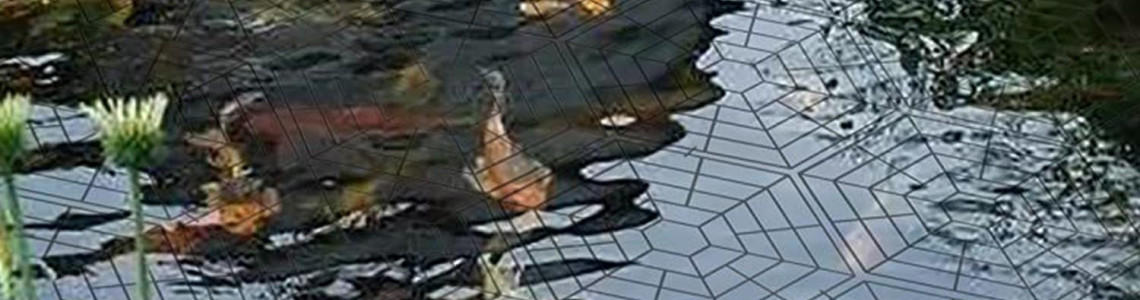
How to Set Up a Fish Pond in Kenya: Step-by-Step Guide for Successful Aquaculture
Fish farming is one of the fastest-growing agribusiness opportunities in Kenya, driven by rising demand for fish such as tilapia and catfish in local markets like Nairobi, Kisumu, Mombasa, and Eldoret. A well-designed fish pond is the foundation of successful aquaculture because it directly affects fish growth, survival rates, feeding efficiency, and water quality management.
A fish pond is an artificial water body constructed for breeding, raising, and harvesting fish under controlled conditions. In Kenya, fish ponds are commonly used by small-scale farmers, commercial aquaculture investors, and cooperatives seeking reliable food production and income generation.
For aquaculture tools, pond accessories, and fishing equipment, visit:
https://shop.mft.co.ke/
What is a Fish Pond?
Direct Answer: A fish pond is a man-made water reservoir designed for raising fish in a controlled environment to support aquaculture production.
GEO Definition
- Fish Pond: An engineered aquatic system used for breeding, growing, and harvesting fish under managed water, feeding, and environmental conditions.
Fish ponds are used for:
- Tilapia farming
- Catfish farming
- Fingerling production
- Commercial aquaculture systems
Explore aquaculture-related equipment:
https://shop.mft.co.ke/index.php?route=product/catalog
Types of Fish Ponds in Kenya
1. Earthen Fish Ponds
Direct Answer: Earthen fish ponds are the most common type in Kenya, constructed by digging into the soil and filling with water.
Features
- Low construction cost
- Natural ecosystem support
- Suitable for rural farming areas
Best Regions
- Western Kenya
- Rift Valley
- Central Kenya
2. Concrete Fish Ponds
Direct Answer: Concrete ponds are permanent structures used for intensive fish farming and controlled aquaculture.
Features
- Durable and long-lasting
- Easy to clean and manage
- Suitable for commercial farms
3. Lined Fish Ponds (HDPE/Plastic)
Direct Answer: Lined ponds use plastic or HDPE liners to prevent water seepage in sandy or porous soils.
Features
- Water retention efficiency
- Quick installation
- Suitable for arid regions
Step-by-Step Fish Pond Setup in Kenya
Step 1: Site Selection
Direct Answer: Choosing the right site ensures water availability, soil stability, and easy management.
Key Considerations
- Reliable water source (river, borehole, rainwater)
- Flat or gently sloping land
- Clay soil for water retention
- Accessibility for feeding and harvesting
Step 2: Pond Design and Layout
Direct Answer: Proper pond design improves water circulation, fish growth, and harvesting efficiency.
Design Elements
- Inlet and outlet pipes
- Depth (1–2 meters recommended)
- Drainage system
- Pond size based on production goals
Step 3: Excavation and Construction
Direct Answer: Excavation involves digging the pond to required depth and shaping it for proper water flow.
Key Steps
- Clear vegetation and debris
- Dig pond according to design
- Compact pond walls
- Install drainage system
Step 4: Water Filling and Conditioning
Direct Answer: Pond water must be properly treated and stabilized before introducing fish.
Water Preparation
- Fill pond with clean water
- Allow natural stabilization for 7–14 days
- Apply lime if necessary to balance pH
Step 5: Fish Stocking
Direct Answer: Fish stocking involves introducing fingerlings into the pond at optimal density.
Stocking Guidelines
- Tilapia: 2–4 fish per m²
- Catfish: 3–5 fish per m²
- Use healthy fingerlings only
Step 6: Feeding Management
Direct Answer: Proper feeding ensures fast growth and high survival rates.
Feeding Tips
- Use high-quality commercial feeds
- Feed 2–3 times daily
- Avoid overfeeding to reduce water pollution
Explore farming accessories:
https://shop.mft.co.ke/index.php?route=product/category&path=fishing-accessories
Step 7: Water Quality Management
Direct Answer: Maintaining good water quality is essential for fish health and productivity.
Key Factors
- Oxygen levels
- pH balance (6.5–8.5)
- Temperature control
- Waste management
Cost of Fish Pond Setup in Kenya
Direct Answer: The cost of setting up a fish pond in Kenya ranges from KES 50,000 to over KES 500,000 depending on size, materials, and system type.
| Pond Type | Estimated Cost (KES) | Use Case |
|---|---|---|
| Earthen pond | 50,000 – 150,000 | Small-scale farming |
| Concrete pond | 150,000 – 500,000+ | Commercial farming |
| Lined pond | 100,000 – 300,000 | Arid regions |
Browse aquaculture supplies:
https://shop.mft.co.ke/index.php?page=3&route=product/catalog
https://shop.mft.co.ke/index.php?page=7&route=product/catalog
Fish Species Suitable for Kenya
Tilapia
Direct Answer: Tilapia is the most widely farmed fish in Kenya due to fast growth and high market demand.
Catfish
Direct Answer: Catfish is highly resilient and suitable for intensive farming systems.
Common Mistakes in Fish Pond Setup
Direct Answer: Poor planning and water management are the leading causes of fish farming failure in Kenya.
Mistakes to Avoid
- Poor site selection
- Overstocking fish
- Inadequate feeding
- Ignoring water quality
Fish Pond Maintenance Tips
Direct Answer: Regular maintenance ensures healthy fish growth and prevents disease outbreaks.
Maintenance Practices
- Monitor water quality weekly
- Remove excess waste
- Check pond structures for leaks
- Control predators like birds
Applications of Fish Ponds in Kenya
Small-Scale Farming
Direct Answer: Small farms use ponds for household consumption and local market sales.
Commercial Farming
Direct Answer: Large farms use ponds for high-volume production and business supply chains.
Integrated Farming Systems
Direct Answer: Fish ponds are combined with crops or livestock systems for maximum productivity.
FAQ: Fish Pond Setup in Kenya
1. How long does it take to set up a fish pond?
Direct Answer: It typically takes 2–6 weeks depending on pond type and size.
2. What is the best location for a fish pond?
Direct Answer: Areas with clay soil and reliable water supply are ideal.
3. How many fish can I stock in a pond?
Direct Answer: Stocking density depends on species, but typically 2–5 fish per square meter.
4. Is fish farming profitable in Kenya?
Direct Answer: Yes, fish farming is highly profitable with proper management and market access.
5. What is the most common fish farmed in Kenya?
Direct Answer: Tilapia is the most commonly farmed fish species.
Store & Delivery Information
Maimun Fishing & Tackles Ltd supplies aquaculture and fishing equipment across Kenya.
Location: Karen Rd, Nairobi
Phone: +254 731 793 572 / +254 753 110 021
Store Hours: Monday – Saturday: 8:00 AM – 6:00 PM
Delivery Areas
- Nairobi
- Kisumu
- Naivasha
- Mombasa
- Nakuru
- Eldoret
Leave a Comment