


Fish Feed Storage: Stop Aflatoxin & Waste in Kenya
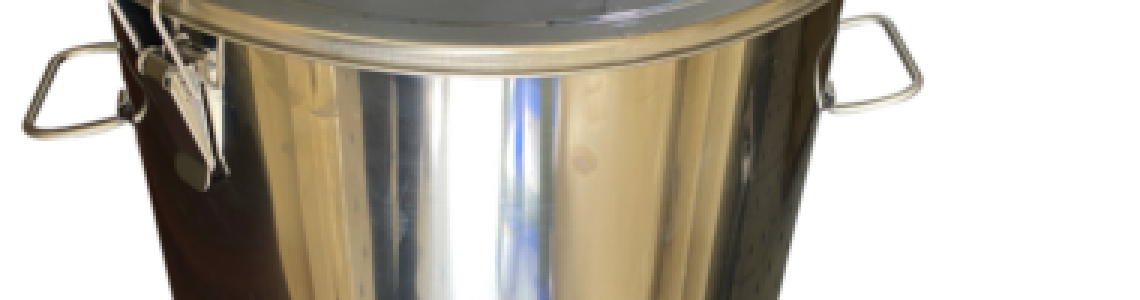
Why Proper Fish Feed Storage Matters
Proper fish feed storage is one of the simplest ways to improve profitability in aquaculture, yet it is often overlooked. Feed accounts for the largest operating cost on most fish farms, and every bag lost to moisture, mould, rodents or insects directly reduces your profit margin. Poor storage also lowers feed quality, resulting in slower fish growth, weaker immunity and increased feed conversion ratios.
In Kenya, high humidity during the rainy season and warm temperatures throughout much of the year create ideal conditions for moisture damage and fungal growth. When feed absorbs moisture, it can develop mould that produces aflatoxins—harmful substances that affect fish health and reduce farm productivity.
Good feed storage helps farmers:
- Maintain feed quality
- Prevent aflatoxin contamination
- Reduce moisture damage
- Minimise rodent and insect losses
- Improve feed conversion
- Reduce unnecessary waste
Whether you operate a small pond or a commercial aquaculture enterprise, investing in proper storage practices protects both your fish and your finances.
MFT Kenya supplies quality Aquaculture Products to support efficient and profitable fish farming across Kenya.
What Is Fish Feed Storage?
Fish feed storage refers to the safe handling and storage of aquaculture feed under conditions that protect it from moisture, mould, pests, sunlight and physical damage until it is fed to fish.
Quality fish feed begins to deteriorate as soon as it is exposed to poor environmental conditions.
Proper storage preserves:
- Nutritional value
- Pellet structure
- Freshness
- Feed palatability
- Shelf life
The goal is to keep feed in the same condition as when it left the manufacturer.
Why Fish Feed Spoils
Fish feed contains proteins, oils, vitamins and minerals that can degrade when exposed to unsuitable storage conditions.
The most common causes of spoilage include:
- High humidity
- Rainwater
- Poor ventilation
- Heat
- Rodents
- Insects
- Long storage periods
Preventing these problems is far easier than replacing spoiled feed.
Understanding Aflatoxin in Fish Feed
One of the biggest threats to stored fish feed is aflatoxin, a toxin produced by certain moulds that grow in warm and humid conditions.
Aflatoxin contamination often develops when feed absorbs moisture during storage.
Fish consuming contaminated feed may experience:
- Poor growth
- Reduced appetite
- Lower immunity
- Increased disease susceptibility
- Higher mortality in severe cases
Preventing moisture build-up is the most effective way to minimise aflatoxin risk.
How Moisture Damages Fish Feed
Moisture is the leading cause of feed deterioration.
When feed becomes damp:
- Pellets soften and break apart.
- Mould develops more easily.
- Nutrients begin to degrade.
- Feed becomes less palatable.
- Shelf life decreases.
Even small amounts of water entering a storage area can damage multiple bags of feed.
Choosing the Right Feed Storage Area
A dedicated storage room helps protect feed from environmental damage.
An ideal storage area should be:
- Dry
- Clean
- Well ventilated
- Cool
- Secure
- Free from leaks
Avoid storing feed in areas exposed to direct sunlight or flooding.
Keep Feed Off the Floor
Never place feed bags directly on concrete floors.
Concrete can absorb and release moisture, especially during humid weather.
Instead, stack feed on:
- Wooden pallets
- Plastic pallets
- Raised platforms
Keeping feed off the floor improves air circulation and reduces moisture transfer.
Leave Space Around Feed Stacks
Feed should not be stacked tightly against walls.
Leaving gaps allows:
- Better airflow
- Easier inspections
- Rodent monitoring
- Cleaning access
Good ventilation helps maintain a stable storage environment.
Protect Feed from Rodents and Insects
Rodents and insects consume feed, contaminate bags and spread disease.
Signs of pest activity include:
- Chewed packaging
- Droppings
- Holes in feed bags
- Insect larvae
Effective pest control includes:
- Sealing entry points
- Regular cleaning
- Safe trapping programmes
- Prompt removal of damaged feed
Follow the First-In, First-Out (FIFO) Principle
The FIFO method means using older feed before newly delivered stock.
Benefits include:
- Reduced spoilage
- Better stock management
- Less waste
- Improved freshness
Always check manufacturing and expiry dates before feeding.
Inspect Feed Before Every Feeding
Before using feed, inspect it carefully.
Discard feed showing signs of:
- Mould
- Unpleasant odours
- Excess moisture
- Discolouration
- Clumped pellets
Healthy fish require high-quality feed.
Store Different Feed Sizes Separately
Fish farms often use different pellet sizes for fingerlings, juveniles and market-size fish.
Keeping feeds organised helps:
- Prevent mistakes
- Improve stock control
- Reduce handling time
Clearly label storage areas whenever possible.
Managing Feed During the Rainy Season
Rainy weather increases humidity and moisture risks.
During wet periods:
- Check roofs regularly.
- Improve ventilation.
- Inspect bags more frequently.
- Repair leaks immediately.
Extra attention during rainy seasons helps prevent major feed losses.
Common Fish Feed Storage Mistakes
Avoid these common errors.
Storing Feed on Bare Floors
Moisture can transfer directly into feed bags.
Buying More Feed Than Needed
Long storage periods increase spoilage risk.
Ignoring Damaged Bags
Small tears allow moisture and pests to enter.
Poor Warehouse Hygiene
Dirty storage rooms attract insects and rodents.
Water Quality and Feed Efficiency
Feed quality and water quality work together.
Spoiled feed contributes to:
- Poor feed conversion
- Increased waste
- Water pollution
- Higher ammonia levels
Monitoring pond conditions with quality water management practices helps maximise feed performance.
For better pond management, farmers can explore Aquaculture Products, including HDPE pond liners and fish farming equipment.
Equipment That Supports Better Feed Management
Fish farmers often benefit from:
- Feed storage bins
- Pallets
- Moisture-resistant covers
- Pond liners
- Water testing equipment
- Harvest nets
MFT Kenya supplies durable Fishing Nets for harvesting and aquaculture operations.
Strong Fishing Ropes and Twine are also available for cage systems, net installation and general farm applications.
Why Buy Aquaculture Supplies from MFT Kenya?
Maimun Fishing & Tackles Ltd provides reliable products for fish farmers throughout Kenya.
Available solutions include:
- Aquaculture equipment
- Pond liners
- Fishing nets
- Agricultural nets
- Ropes and twine
- Fish farming accessories
Quality equipment supports better farm management and healthier fish production.
MFT Kenya Store and Delivery Information
Maimun Fishing & Tackles Ltd (MFT)
Visit Us: Darosa Plaza, Karen Road, Nairobi, Kenya
Phone: +254 706 903 465
Email: [email protected]
Store Hours
- Monday–Friday: 8:00 AM – 5:00 PM
- Saturday: 8:00 AM – 4:00 PM
- Sunday & Public Holidays: Closed
Nationwide Delivery Across Kenya
MFT delivers aquaculture products across Kenya, including:
- Nairobi
- Kisumu
- Nakuru
- Eldoret
- Meru
- Nyeri
- Thika
- Mombasa
- Naivasha
- Kitale
- Malindi
Conclusion: Protect Your Feed to Protect Your Profits
Effective fish feed storage is essential for maintaining feed quality, reducing waste and improving fish performance. By protecting feed from moisture, aflatoxin, rodents and insects, farmers can preserve nutritional value, achieve better feed conversion and reduce unnecessary production costs.
Simple practices such as storing feed on pallets, following the FIFO principle, maintaining a clean storage area and inspecting feed regularly can make a significant difference to farm profitability. Combined with quality aquaculture equipment and pond management solutions from MFT Kenya, proper feed storage helps build a healthier, more productive and more sustainable fish farming operation.
Leave a Comment