


Dissolved Oxygen (DO) Meters: Uses and How They Work
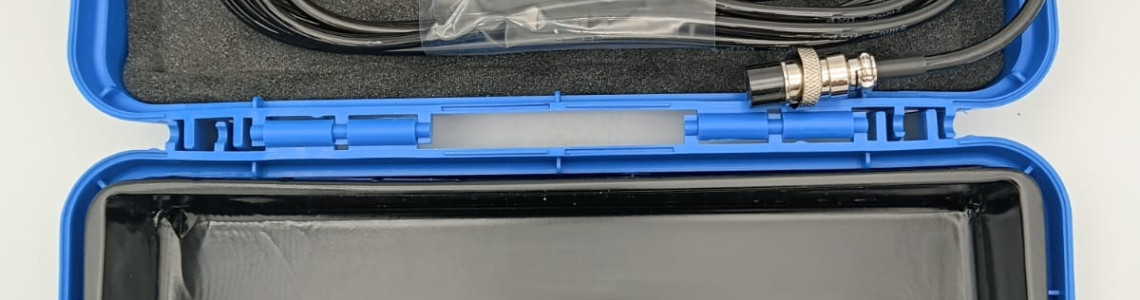
A DO (dissolved oxygen) meter measures how much oxygen is dissolved in water. In fish farming it helps keep levels between 5 and 12 mg/L (ppm) to prevent stress or fish kills. A handheld unit reads oxygen through a submerged probe with an electrochemical or optical sensor, displaying results in ppm or percentage saturation.
A DO (Dissolved Oxygen) meter is a testing instrument used to measure the amount of gaseous oxygen present in water or other liquids. It is primarily used to monitor water quality in aquaculture (fish farming), aquariums, and environmental science to ensure aquatic organisms have enough oxygen to survive.
Key Applications
- Aquaculture & Fish Farming: Ensures oxygen levels remain between 5-12 mg/L (ppm), preventing stress or fish kills.
- Environmental Monitoring: Checks the health of rivers, lakes, and oceans.
- Wastewater Management: Monitors the aeration processes in sewage treatment plants.
- Breweries & Labs: Prevents harmful oxidation by monitoring oxygen in liquid processes.
How They Work
DO meters consist of a digital handheld device attached to a probe. When the probe is submerged, it reads oxygen levels using either an electrochemical (Clark-type/polarographic) sensor or a modern optical luminescence sensor. The device provides an immediate reading on its digital display, usually measured in parts per million (ppm) or saturation percentage (%).
Published · Updated
About Maimun Fishing Tackles. Serving Kenya's fishing community since 1975 (founded as Asma & Sons in Old Town Mombasa) — fishing tackle, nets, aquaculture equipment and farm netting, with branches in Mombasa (Nehru Road), Nairobi (Darosa Plaza, Karen Road), Malindi and Naivasha. Questions about this guide? Call or WhatsApp +254 706 903 465 or email [email protected].
Leave a Comment