


Dissolved Oxygen Meter: What It Is and How It Works
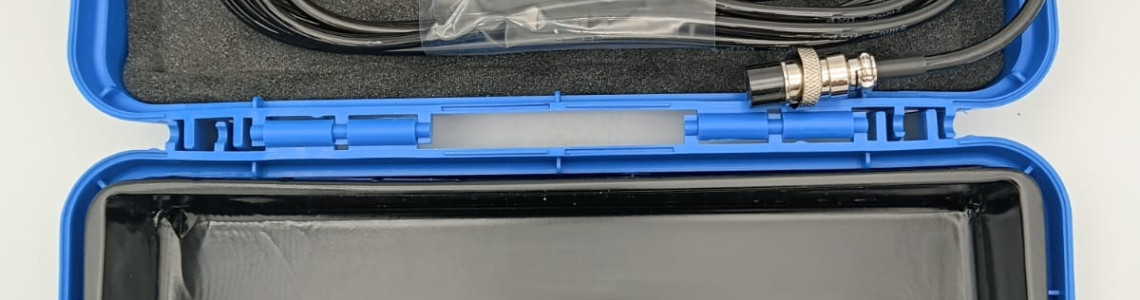
A dissolved oxygen (DO) meter is a scientific device that measures how much gaseous oxygen is dissolved in water or other liquids. Optical meters use luminescent light that oxygen quenches, need little maintenance and no constant stirring. Electrochemical meters use a membrane and electrolyte, where oxygen passing through creates a current the meter reads.
A dissolved oxygen meter is a scientific device used to measure the amount of gaseous oxygen dissolved in water or other liquids.
How It Works
- Optical Sensors: Use luminescent light. Oxygen quenches the light; the meter measures this change to find the oxygen level. They need little maintenance and no constant water stirring.
- Electrochemical Sensors: Use a membrane and an electrolyte solution (polarographic or galvanic). Oxygen passing through the membrane creates an electrical current that the meter reads.
Key Measurements
- mg/L or ppm: Shows the absolute weight of oxygen per liter of water.
- % Saturation: Shows the ratio of oxygen relative to the maximum possible amount at that specific temperature and pressure.
- Temperature: Most meters track temperature simultaneously because water temperature changes how much oxygen it can hold.
Common Uses
- Aquaculture: Monitoring fish farms to ensure fish have enough oxygen to breathe.
- Wastewater Treatment: Checking aeration tank efficiency.
- Environmental Testing: Testing lakes, rivers, and streams for ecological health.
Published · Updated
About Maimun Fishing Tackles. Serving Kenya's fishing community since 1975 (founded as Asma & Sons in Old Town Mombasa) — fishing tackle, nets, aquaculture equipment and farm netting, with branches in Mombasa (Nehru Road), Nairobi (Darosa Plaza, Karen Road), Malindi and Naivasha. Questions about this guide? Call or WhatsApp +254 706 903 465 or email [email protected].
Leave a Comment