


Handling Crab and Prawn Harvest
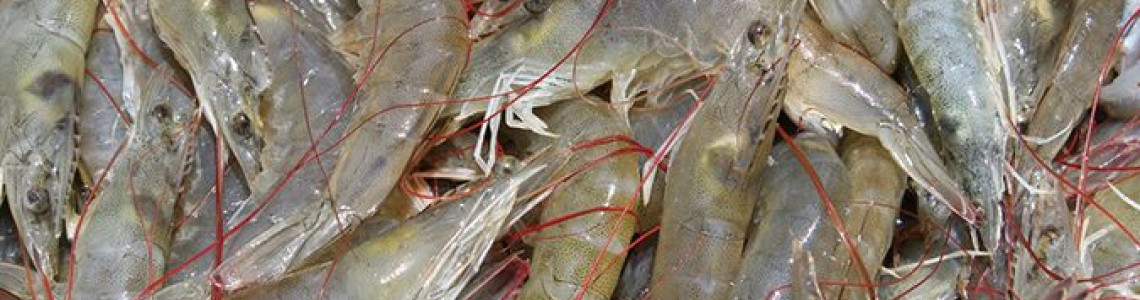
Harvesting is one of the easiest stages of crustacean production to underestimate. A crab or prawn can be healthy and market-ready in the pond but lose value within hours if it is handled roughly, held incorrectly or transported without suitable conditions.
For farmers and traders involved in crab handling Kenya, the objective is not simply to remove animals from the pond or cage. The goal is to move them from the production environment to the buyer while maintaining quality, minimising injury and, where live sale is intended, keeping mortality as low as reasonably possible.
Prawns and crabs require different handling approaches. Crabs have hard shells and claws but can still suffer broken limbs, shell damage and stress. Prawns are more delicate and can be damaged by excessive handling, poor water quality, overcrowding and unsuitable temperatures.
The process therefore needs to begin before harvest.
Why Crustacean Handling Matters
Post-harvest losses can occur at several points:
- During capture
- During sorting
- While transferring animals into holding containers
- During temporary storage
- During packing
- During transport
- At the receiving point
The longer the chain, the more opportunities there are for damage.
For live products, mortality is the most obvious loss. But even when the animal survives, broken claws, damaged shells, missing appendages, excessive stress or poor appearance can reduce its market value.
A good handling system therefore protects both survival and saleability.
Prepare Before Harvesting
Harvest preparation should begin before the first crab or prawn is removed.
Have the required equipment ready before harvesting starts. Depending on the production system, this may include:
- Harvest nets
- Sorting trays
- Buckets or containers
- Holding tanks
- Aeration equipment
- Clean water
- Measuring equipment
- Packaging containers
- Ropes and securing materials
- Ice or cooling equipment where appropriate
- Transport boxes
Having everything ready prevents animals from sitting exposed while workers search for equipment.
Farmers should also establish where different grades will go.
For example, marketable live crabs should not be mixed unnecessarily with damaged or undersized animals. Prawns intended for different markets should also be separated during sorting.
Harvest at the Right Time
Harvest timing can affect handling conditions.
In hot coastal conditions, excessive heat can quickly increase stress when animals are removed from water.
Where practical, harvesting during cooler periods can make handling easier and reduce exposure to high temperatures.
The farmer should also consider the transport schedule.
There is little advantage in harvesting early if the product will then remain in an unsuitable holding area for many hours before collection.
Ideally, harvest timing should be coordinated with:
Production → Harvest → Sorting → Holding/Packing → Transport → Buyer
Reducing unnecessary delays can make the entire process more efficient.
Handling Crabs During Harvest
Crabs require careful handling because their claws can injure workers and other crabs.
Workers should avoid grabbing crabs carelessly from the front.
Where appropriate, crabs can be handled from the rear or using suitable equipment that keeps the claws under control.
The objective is to minimise:
- Broken claws
- Damaged legs
- Shell injuries
- Excessive struggling
- Cannibalism
- Worker injuries
Crabs should not be thrown into containers.
Dropping them from a height can cause injury even when the shell appears intact.
A shallow sorting tray or suitable container can make the process more controlled.
Sorting Live Crabs
Sorting should be carried out as soon as practical after harvest.
Separate the catch according to the requirements of the buyer.
Possible sorting criteria include:
- Species
- Size
- Sex where relevant to the market
- Condition
- Shell quality
- Damage
- Live or dead status
Damaged animals should not simply be mixed back into a container with healthy stock.
A crab with a broken claw or leg may have lower commercial value and may also be more vulnerable during holding.
Sorting early also gives the farmer a clearer picture of the day's marketable harvest.
Prevent Crab Cannibalism
Live crabs can injure one another when crowded together.
This becomes particularly important when crabs are held for extended periods.
Cannibalism and fighting can lead to:
- Missing legs
- Broken claws
- Shell injuries
- Stress
- Mortality
Reducing crowding is one of the simplest ways to minimise these problems.
Where crabs are being transported alive, the packaging method should prevent unnecessary physical contact and movement.
Individual separation may be appropriate for some live-crab supply chains, particularly for valuable animals or longer transport periods.
Live Prawn Handling Is Different
Prawns are generally more delicate than crabs.
They can be injured by rough nets, excessive crowding, poor water quality and prolonged exposure to unsuitable conditions.
During live prawn transport, the objective is to maintain an environment that supports survival throughout the journey.
Farmers should minimise:
- Excessive handling
- Sudden temperature changes
- Poor oxygen conditions
- Overcrowding
- Long holding periods
- Unnecessary transfers between containers
Prawns should be moved carefully rather than scooped repeatedly from one container to another.
Use Suitable Harvest Nets
The net used for harvesting should match the species and production system.
A net that is too rough, poorly maintained or incorrectly sized can increase physical damage.
Farmers should inspect nets before harvest for:
- Broken mesh
- Sharp or damaged sections
- Excessive knots
- Weak seams
- Contamination
- Poorly secured handles
A properly maintained net allows workers to harvest efficiently without repeatedly dragging or trapping animals unnecessarily.
MFT supplies different Fishing Nets that can be considered when planning harvesting and aquaculture operations.
Avoid Excessive Exposure to Air
Not every crustacean should be treated as if it can tolerate prolonged exposure to air.
The appropriate method depends on the species, size, temperature and intended market.
For live prawns, keeping them in suitable water conditions is generally important.
For live crabs, some species can tolerate temporary air exposure better than prawns, but that does not mean they should simply be left exposed to heat and direct sunlight.
The important principle is to control the environment rather than relying on the animal's natural tolerance.
Holding Crabs Before Transport
If harvested crabs cannot immediately be delivered, they need a suitable temporary holding system.
The holding environment should protect the animals from:
- Direct sunlight
- Excessive heat
- Physical damage
- Predators
- Excessive crowding
- Poor water conditions
The holding method should also make inspection easy.
Dead or severely damaged animals should be removed promptly rather than being left among healthy live stock.
Long holding periods increase the risk of stress and injury, so the best system is usually one that minimises the time between harvest and delivery.
Holding Prawns Before Transport
Live prawns generally require more controlled holding conditions.
A suitable holding system should provide appropriate water quality and adequate oxygen.
Aeration can be particularly important where animals are held in tanks or containers at higher densities.
The farmer should monitor:
- Dissolved oxygen
- Temperature
- Stocking density
- Water cleanliness
- Animal behaviour
A sudden increase in mortality should be treated as a warning that something is wrong with the holding environment.
Water Quality During Holding
Water quality does not stop being important after harvest.
If live prawns are held in water, oxygen demand continues. Waste also accumulates.
This means a holding container can deteriorate rapidly when too many animals are placed in a small volume.
Avoid adding new stock to an already stressed holding system without considering its capacity.
Where water replacement is necessary, changes should be managed carefully to avoid sudden differences in temperature or other important water-quality conditions.
Temperature Management
Temperature is one of the most important factors in crustacean handling.
Hot conditions can increase stress and metabolic demand.
Direct sunlight on transport containers can make the situation worse.
Holding and transport equipment should therefore be protected from unnecessary heat.
Cooling methods can be used where appropriate to the product and market requirements, but the method must be selected carefully.
The aim is to slow deterioration and maintain suitable conditions—not to expose live animals to sudden or extreme temperature changes.
Packing Live Crabs for Transport
The correct packing method depends on the species, journey length, weather and buyer requirements.
Containers should provide adequate ventilation and protection from physical damage.
Crabs should not be packed so tightly that they injure one another.
For longer journeys, the packaging should be strong enough to prevent escape and protect the animals from excessive movement.
Where crabs have active claws, the risk of animals damaging one another should be considered during packing.
Workers should also check containers before dispatch.
A transport box that looks secure at the farm can become a problem once it starts moving along a rough road.
Transporting Live Prawns
Live prawn transport requires more attention to water and oxygen than ordinary seafood transport.
The appropriate system depends on the intended journey.
Short-distance movement may use suitable containers with controlled water and oxygen conditions, while longer journeys may require specialised live-transport systems.
The transport plan should consider:
- Journey duration
- Ambient temperature
- Stocking density
- Water volume
- Oxygen supply
- Container design
- Road conditions
- Delivery timing
The farmer should know the approximate journey duration before deciding how the prawns will be packed.
Do Not Overload Transport Containers
Overloading is one of the most common causes of unnecessary stress.
More animals per container may appear to reduce transport costs, but the additional mortality can cost far more than the saving.
Higher density means:
- Greater oxygen consumption
- Faster waste accumulation
- More physical contact
- Greater temperature sensitivity
- More difficult water management
Transport density should therefore be determined by the species, animal size, container capacity, journey conditions and transport system.
Reduce Handling During Transport
Every transfer creates another opportunity for injury.
A good supply chain should minimise unnecessary movement:
Harvest container → Sorting container → Holding system → Transport container
Avoid repeatedly transferring animals simply because a different container is available.
If a transfer is necessary, workers should use appropriate equipment and handle animals gently.
Transport Equipment and Securing Loads
Containers need to remain stable throughout transportation.
Movement, vibration and rough roads can cause animals to be thrown against container surfaces.
The transport load should therefore be secured properly.
Ropes and other suitable securing materials can help stabilise equipment during transport. MFT provides Fishing Ropes and Twine for various fishing and marine applications.
The important consideration is to secure the equipment without restricting ventilation or creating unnecessary pressure on the animals.
Receiving Crustaceans at the Destination
Handling does not end when the vehicle arrives.
The receiving point should be ready before the product reaches the destination.
For live crabs and prawns, the buyer or receiving facility should have suitable space and equipment available.
Animals should not remain inside transport containers longer than necessary.
At receiving, check:
- Number of live animals
- Mortality
- Physical damage
- General condition
- Size or grade
- Delivery temperature where relevant
- Packaging condition
Keeping simple records can help identify where losses are occurring.
Record Mortality and Damage
A farmer who does not record losses may not know where the problem is occurring.
For each harvest, record:
| Record | What to Monitor |
|---|---|
| Harvest date | When animals were removed |
| Harvest quantity | Total number or weight |
| Live quantity | Animals alive after sorting |
| Damaged quantity | Broken claws, legs or other injuries |
| Mortality | Animals that died |
| Holding time | Duration before dispatch |
| Transport time | Journey duration |
| Arrival condition | Condition at delivery |
| Buyer rejection | Quantity or reason rejected |
These records can reveal patterns.
For example, if mortality is low at harvest but high on arrival, transport or holding may be the main problem.
If damage is already high during sorting, the harvesting method may need improvement.
Common Crustacean Handling Mistakes
Harvesting Too Aggressively
Fast harvesting is not necessarily efficient if it causes physical damage.
Leaving Animals in the Sun
Direct heat can rapidly increase stress.
Overcrowding
Too many animals in a holding or transport container increases competition and oxygen demand.
Mixing Damaged and Healthy Stock
Damaged animals may deteriorate faster and can complicate grading.
Delaying Transport
The longer live crustaceans remain in temporary holding, the greater the management burden.
Poor Container Ventilation
Ventilation can be important for live crab transport, especially where animals are not being transported submerged.
Ignoring Journey Conditions
A transport system that works for a short trip may not be appropriate for a much longer journey.
Failing to Coordinate With the Buyer
Harvesting without knowing when the buyer can receive the product creates unnecessary holding time.
Building a Low-Loss Harvest System
A practical crustacean harvesting system should be designed around one principle: minimise stress and unnecessary handling at every stage.
Before harvest:
Prepare equipment → confirm buyer → prepare holding area → prepare transport
During harvest:
Capture carefully → sort quickly → separate damaged stock → move healthy animals into suitable holding
Before dispatch:
Check quantity → check condition → pack appropriately → secure containers → confirm destination
During transport:
Maintain suitable conditions → minimise delays → protect containers → monitor where practical
At delivery:
Unload carefully → inspect stock → record losses → identify problems for the next cycle
This approach makes post-harvest management part of production rather than treating it as an activity that starts after the animals leave the pond.
The Role of Aquaculture Equipment
Good harvesting outcomes depend partly on having the right equipment available.
Depending on the production system, farmers may need nets, ropes, containers, holding tanks, aeration equipment, water-quality monitoring equipment and other accessories.
MFT's Aquaculture Products section provides equipment relevant to aquaculture operations, while Fishing Accessories can help with general fishing and handling requirements.
Equipment should be selected around the actual species and production system rather than buying items simply because they are commonly used in fishing.
Final Thoughts on Crustacean Harvest
Crustacean harvest losses are not always caused by problems in production. A healthy crop can lose significant value through rough handling, excessive holding time, overcrowding, poor temperature management or unsuitable transport.
For crab handling Kenya, careful harvesting and separation are particularly important because fighting and physical damage can reduce the value of live crabs.
For live prawn transport, water quality, oxygen, temperature, stocking density and journey duration need to be considered together.
The best approach is to plan the entire chain before harvesting begins. Have the equipment ready, coordinate with the buyer, minimise transfers, separate damaged animals and make sure holding and transport conditions match the species and journey.
Small improvements at each stage can reduce avoidable mortality and help more of the harvested stock arrive in marketable condition.
Aquaculture and Fishing Equipment
For aquaculture farmers, fishers and seafood businesses, Maimun Fishing & Tackles provides fishing and aquaculture equipment for different production and handling requirements.
Explore Aquaculture Products, Fishing Nets, Fishing Ropes and Twine and Fishing Accessories.
For equipment enquiries, visit the MFT Contact Page.
Leave a Comment