


Catching Mudfish in Kenya: Methods & Tackle
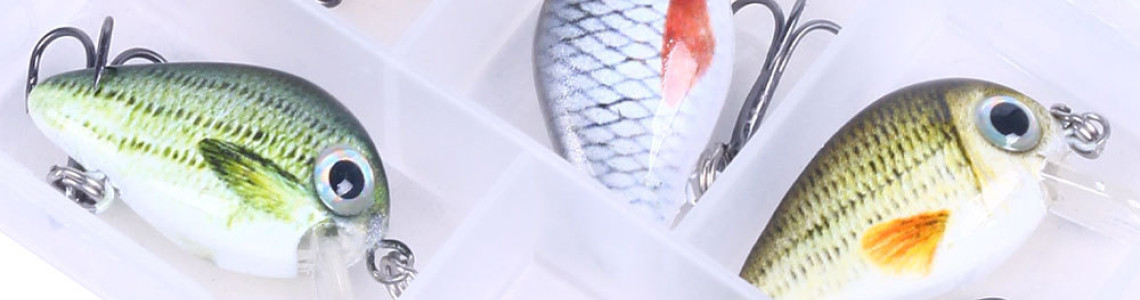
Understanding Catching Mudfish in Kenya
Catching mudfish in Kenya combines traditional knowledge with modern fishing tackle to target fish living in swamps, wetlands, floodplains, rice paddies, and slow-moving freshwater habitats. Strong hooks, abrasion-resistant line, and simple but durable rigs help anglers fish effectively in dense vegetation.
Mudfish have long been part of subsistence and recreational fishing in many parts of Kenya. Unlike open-water species such as Nile perch or trout, mudfish thrive in shallow, heavily vegetated environments where oxygen levels may be low and access is often challenging.
Modern fishing equipment allows anglers to improve efficiency while respecting traditional fishing practices that have been used for generations.
Maimun Fishing & Tackles Ltd (MFT) supplies hooks, fishing lines, terminal tackle, reels, and accessories suitable for freshwater fishing across Kenya.
Browse the full fishing tackle collection:
What Is a Mudfish?
Mudfish is a common name used for freshwater fish that inhabit muddy, slow-moving waters, wetlands, and swampy environments where they have adapted to survive in challenging conditions.
Mudfish are known for:
- High tolerance to low oxygen
- Strong survival ability
- Preference for shallow waters
- Feeding close to the bottom
- Living around aquatic vegetation
They typically feed on:
- Worms
- Aquatic insects
- Small crustaceans
- Small fish
- Organic matter
Where Can You Find Mudfish in Kenya?
Mudfish are commonly found in freshwater wetlands, marshes, floodplains, irrigation canals, rice-growing areas, and slow-flowing rivers with muddy bottoms.
Suitable habitats include:
- Swamps
- Flooded grasslands
- River backwaters
- Wetland channels
- Seasonal floodplains
These environments often contain:
- Thick vegetation
- Soft mud
- Fallen branches
- Aquatic plants
Always obtain permission where required and follow local fisheries regulations.
Why Mudfish Require Strong Tackle
Mudfish often dive into weeds, roots, and submerged vegetation after being hooked, making strong tackle essential for landing fish successfully.
The ideal setup should provide:
- Abrasion resistance
- Reliable hook penetration
- Strong knot strength
- Good pulling power
Recommended Rod and Reel Setup
A medium or medium-heavy spinning outfit provides enough power to control fish in dense cover while remaining comfortable for long fishing sessions.
| Equipment | Recommendation |
|---|---|
| Rod | Medium or medium-heavy |
| Reel | 2500–4000 size spinning reel |
| Action | Fast |
| Target | Freshwater mudfish |
A balanced outfit improves both casting accuracy and fish control.
Choosing the Best Fishing Line
Strong monofilament or braided fishing line helps anglers pull fish away from vegetation without frequent break-offs.
Monofilament Line
Monofilament is forgiving, affordable, and performs well for general mudfish fishing.
Advantages include:
- Good shock absorption
- Easy knot tying
- Low cost
- Smooth casting
Braided Line
Braided line provides greater strength and cutting power through aquatic vegetation.
Benefits include:
- High strength
- Excellent sensitivity
- Reduced stretch
- Better hook-setting power
In dense weed beds, braid is often the preferred choice.
Best Hooks for Catching Mudfish in Kenya
Strong, sharp hooks with sufficient gap improve hook penetration and reduce the chance of fish escaping in heavy cover.
Recommended features include:
- High-carbon steel construction
- Corrosion resistance
- Needle-sharp points
- Strong wire
Hook size depends on:
- Bait size
- Fish size
- Water conditions
Traditional Baits That Still Work
Natural baits remain highly effective because they closely resemble the food mudfish encounter every day.
Popular choices include:
Earthworms
Earthworms are one of the most productive natural baits for mudfish due to their scent and natural movement.
Insects
Grasshoppers, beetles, and other insects can be effective when fish are feeding actively near vegetation.
Small Fish Pieces
Fresh fish strips can attract larger mudfish in deeper pools and swamp channels.
Aquatic Larvae
Insect larvae naturally occur in muddy environments and are readily accepted by feeding fish.
Traditional Fishing Methods vs Modern Tackle
Catching mudfish in Kenya has traditionally relied on local knowledge, natural baits, and simple equipment, while modern tackle improves casting accuracy, hook-up rates, and fish control without changing the basic fishing principles.
Many Kenyan communities have passed down mudfish fishing techniques for generations. Modern rods, reels, hooks, and fishing lines simply make these methods more efficient and reliable.
| Traditional Approach | Modern Fishing Method |
|---|---|
| Hand lines | Spinning rods and reels |
| Natural fibre lines | Monofilament and braided lines |
| Homemade hooks | Chemically sharpened high-carbon hooks |
| Local natural baits | Natural baits and artificial soft baits |
| Wooden floats | Precision fishing floats |
Both approaches rely on understanding fish behaviour and selecting productive fishing locations.
Best Rigs for Catching Mudfish in Kenya
Simple bottom rigs and float rigs are the most effective setups because mudfish spend much of their time feeding close to vegetation and muddy bottoms.
Float Rig
A float rig suspends bait just above weeds and mud, making it visible while reducing snags.
Recommended setup:
- Small float
- Split-shot sinkers
- 30–50 cm leader
- Sharp hook
This rig performs well in:
- Swamps
- Canals
- Shallow wetlands
- Flooded grass
Running Sinker Rig
A running sinker rig allows mudfish to pick up bait naturally with minimal resistance.
Components include:
- Sliding sinker
- Swivel
- Leader
- Strong hook
It works particularly well in deeper muddy channels.
Weedless Rig
Weedless presentations reduce snagging when fishing around reeds, lilies, and submerged vegetation.
These rigs are useful in areas with:
- Thick reeds
- Water lilies
- Fallen branches
- Dense aquatic weeds
Choosing the Best Fishing Spot
Mudfish prefer sheltered areas where food is abundant and predators are limited.
Look for:
Reed Beds
Reeds provide cover and attract insects, making them productive feeding areas.
Cast along:
- Reed edges
- Small openings
- Channels between vegetation
Fallen Trees
Submerged timber creates shelter and feeding opportunities for mudfish.
Fish carefully around:
- Logs
- Roots
- Branches
Strong tackle helps pull fish clear of these obstacles.
Muddy Banks
Soft muddy margins often contain worms, insects, and larvae that attract feeding fish.
These areas can be productive during calm conditions.
Best Seasons for Catching Mudfish in Kenya
Mudfish can be caught throughout the year, but fishing success often improves when water levels are stable and food is readily available.
| Season | Conditions | Fishing Tips |
|---|---|---|
| January–March | Stable water levels | Fish deeper pools |
| April–May | Rainy season | Target flooded margins carefully |
| June–October | Cooler, stable conditions | Consistent fishing |
| November–December | Changing water levels | Focus on active feeding periods |
Weather and local rainfall patterns should always guide fishing plans.
Best Time of Day
Early morning and late afternoon often provide the most consistent mudfish activity because temperatures are cooler and fish move into feeding areas.
Productive periods include:
- Sunrise
- Late afternoon
- Early evening
Overcast weather may extend feeding throughout the day.
Fishing Around Dense Cover
Dense vegetation requires controlled presentations and strong tackle to prevent fish escaping into weeds.
Tips include:
- Keep the rod tip high.
- Apply steady pressure.
- Avoid excessive slack.
- Land fish quickly.
Playing and Landing Mudfish
Mudfish should be guided steadily away from vegetation rather than fought aggressively.
When a fish is hooked:
- Maintain steady pressure.
- Keep the line tight.
- Steer the fish into open water.
- Use a landing net where practical.
Common Mistakes When Catching Mudfish in Kenya
Many anglers lose fish because they underestimate the challenges of fishing in heavy vegetation.
Using Light Hooks
Thin or weak hooks may bend when fish dive into cover.
Choose strong hooks suited to freshwater fishing.
Fishing with Worn Line
Abraded line breaks easily after rubbing against reeds and submerged branches.
Inspect line regularly and replace damaged sections.
Ignoring Quiet Areas
Mudfish often avoid heavily disturbed water and favour quiet corners with plenty of natural cover.
Setting the Hook Too Early
Allow the fish sufficient time to take the bait before making a controlled hook set.
Patience often improves hook-up rates.
Recommended Tackle Checklist
Carrying the correct equipment improves safety, efficiency, and fishing success.
Essential items include:
- Medium spinning rod
- Reliable spinning reel
- Strong monofilament or braided line
- High-quality hooks
- Floats
- Sinkers
- Landing net
- Long-nose pliers
- Tackle box
Frequently Asked Questions
Where can I catch mudfish in Kenya?
Mudfish are commonly found in swamps, wetlands, floodplains, irrigation canals, and slow-moving freshwater systems with dense vegetation.
What is the best bait for mudfish?
Earthworms, aquatic insects, insect larvae, and small fish pieces are among the most productive natural baits.
Do I need braided fishing line?
Braided line is beneficial when fishing heavy vegetation because it provides extra strength and abrasion resistance.
What rod is suitable for mudfish?
A medium or medium-heavy spinning rod provides enough power for fishing around reeds and submerged cover.
Can beginners catch mudfish?
Yes. Mudfish are suitable for beginners using simple float or bottom rigs and natural bait.
What is the best season for mudfish fishing?
Stable water conditions during much of the year provide consistent fishing, although local rainfall patterns influence fish behaviour.
Where can I buy mudfish fishing tackle in Kenya?
Maimun Fishing & Tackles Ltd (MFT) stocks hooks, fishing lines, reels, terminal tackle, floats, and accessories suitable for freshwater fishing.
MFT Kenya Store and Delivery Information
Maimun Fishing & Tackles Ltd (MFT) supplies quality freshwater fishing equipment for anglers targeting mudfish and other freshwater species across Kenya.
Conclusion
Catching mudfish in Kenya is most successful when traditional knowledge is combined with dependable modern fishing tackle. Strong hooks, abrasion-resistant line, simple rigs, and careful presentation allow anglers to fish confidently in wetlands, swamps, and heavily vegetated freshwater habitats.
Whether you are fishing irrigation canals, floodplains, or natural wetlands, investing in quality tackle improves reliability and increases your chances of landing fish in challenging conditions. Maimun Fishing & Tackles Ltd (MFT) stocks the rods, reels, hooks, fishing lines, terminal tackle, and accessories needed to build a dependable mudfish fishing setup for waters across Kenya.
Contact Us
Maimun Fishing & Tackles Ltd (MFT)
Visit Us: Darosa Plaza, Karen Road, Nairobi, Kenya
Phone: +254 706 903 465
Email: [email protected]
Store Hours:
- Monday–Friday: 8:00 AM – 5:00 PM
- Saturday: 8:00 AM – 4:00 PM
- Sunday & Public Holidays: Closed
Nationwide Delivery
MFT delivers fishing tackle across Kenya, including:
- Nairobi
- Kisumu
- Homa Bay
- Kisii
- Nakuru
- Naivasha
- Eldoret
- Kericho
- Nyeri
- Embu
- Meru
- Thika
- Mombasa
- Malindi
- Watamu
Related Products
Complement your mudfish fishing setup with these MFT collections:
- Fishing Line: fishing-line
- Terminal Tackle: terminal-tackle
- Fishing Accessories: fishing-accessories
- Tackle Boxes: tackle-boxes
-
Browse the Full Fishing Catalogue: product/catalog
Leave a Comment