


Black vs Silver Mulch Film: Which Colour and Which Side Up?
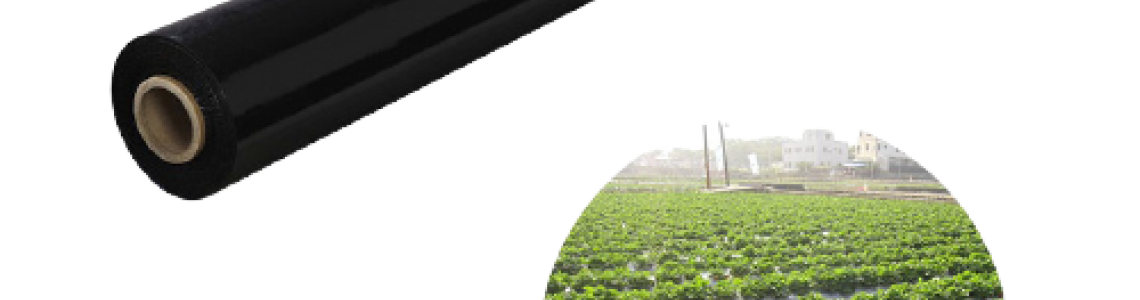
Black vs Silver Mulch Film: Which Colour and Which Side Up for Kenyan Crops?
Understanding Black vs Silver Mulch Film
Black mulch film and silver mulch film are both agricultural plastic coverings used to improve crop production, but they serve different purposes. Black mulch film is mainly used for weed control and soil warming, while silver mulch film reflects sunlight, helps manage heat, and can reduce insect pressure on some crops.
Mulch film has become an important tool for Kenyan farmers growing vegetables, fruits, and horticultural crops. By covering the soil surface, mulch film creates a controlled growing environment that helps farmers manage common challenges such as:
- Weed competition
- Water loss through evaporation
- Soil temperature changes
- Soil contamination
- Certain insect pressures
Farmers in Kenya use mulch film in both commercial and small-scale farming systems, especially for crops such as:
- Tomatoes
- Strawberries
- Capsicum
- Cucumbers
- Melons
- Squash
- Vegetables
However, choosing between black and silver mulch film requires understanding how each colour interacts with sunlight, soil, pests, and crop requirements.
A tomato farmer in Naivasha may have different needs from a vegetable farmer in Machakos or a strawberry grower in Kiambu. Climate, crop type, irrigation method, and planting season all influence the best choice.
Maimun Fishing & Tackles Ltd (MFT) supplies agricultural solutions for Kenyan farmers, including farming materials that support modern crop production. Farmers can explore more solutions through the Agriculture Supplies Kenya farming and gardening guide.
What Is Mulch Film?
Mulch film is a thin agricultural polyethylene sheet placed over cultivated soil to improve growing conditions by controlling weeds, conserving moisture, and regulating soil temperature. It creates a barrier between the soil surface and the external environment.
Unlike ordinary plastic sheets, agricultural mulch films are manufactured for farming applications. They are designed to withstand:
- Sun exposure
- Rainfall
- Irrigation systems
- Field handling
- Outdoor farming conditions
A properly installed mulch film system normally includes:
- Prepared planting beds
- Drip irrigation lines
- Mulch film covering
- Secure edge anchoring
- Correct planting holes
Mulch film is commonly used alongside drip irrigation because both systems improve water efficiency.
Farmers using modern farming methods can also explore MFT’s environmental solutions through the Water and Environmental Solutions Kenya guide.
Why Mulch Film Colour Matters
The colour of mulch film determines how sunlight interacts with the soil and crop environment. Different colours absorb, reflect, or transmit different amounts of solar energy, affecting temperature, weeds, and pest behaviour.
The two most common options for Kenyan farmers are:
- Black mulch film
- Silver mulch film
Some manufacturers also produce:
- Silver-black mulch film
- White mulch film
- Clear mulch film
- Coloured specialty films
Each type has a specific agricultural purpose.
Black Mulch Film Explained
Black mulch film is an agricultural plastic covering mainly used for weed suppression, moisture conservation, and soil temperature management. It blocks sunlight from reaching the soil surface, preventing weed growth beneath the film.
Black mulch film is one of the most widely used mulch options in Kenya because it performs well across many farming conditions.
How Black Mulch Film Controls Weeds
Black mulch film prevents weed growth by stopping sunlight from reaching weed seeds near the soil surface. Without sufficient light, many weeds cannot establish and compete with crops.
Weed control is one of the biggest advantages of black mulch film.
It helps farmers reduce:
- Manual weeding labour
- Herbicide dependence
- Nutrient competition
- Crop maintenance costs
This is especially valuable for commercial vegetable farms where labour efficiency directly affects profitability.
Common crops grown with black mulch film include:
- Tomatoes
- Peppers
- Cucumbers
- Melons
- Strawberries
How Black Mulch Film Affects Soil Temperature
Black mulch film absorbs solar radiation and transfers heat into the soil, which can improve root activity in cooler growing conditions.
This makes black mulch film useful in regions such as:
- Nakuru
- Nyeri
- Limuru
- High-altitude farming areas
where cooler temperatures may slow crop development.
However, in very hot regions, excessive heat absorption may require careful crop management.
Farmers should consider:
- Crop sensitivity
- Season
- Irrigation availability
- Local climate
Black Mulch Film for Moisture Conservation
Black mulch film reduces evaporation by covering exposed soil, allowing irrigation water to remain available around plant roots for longer periods.
Benefits include:
- Reduced irrigation frequency
- Better water utilisation
- More stable soil moisture
- Reduced drought stress
This is useful in dry areas such as:
- Machakos
- Kajiado
- Kitui
where water conservation is essential.
Silver Mulch Film Explained
Silver mulch film is a reflective agricultural covering designed to reflect sunlight, reduce heat buildup, and create an environment that can discourage certain insect activity around crops.
Silver mulch film is sometimes called reflective mulch because of its ability to bounce sunlight away from the soil surface.
It is commonly used in:
- Vegetable production
- Horticultural farms
- Commercial greenhouse operations
- Open-field crop systems
How Silver Mulch Film Helps Manage Insects
Silver mulch film reflects light upward, creating a visual environment that can interfere with some flying insects, particularly aphids that use visual cues when locating plants.
It is important to understand that silver mulch film is not an insect net and does not physically block pests.
It works differently from:
- Insect-proof netting
- Pesticide applications
- Biological pest control
Silver mulch film may support integrated pest management (IPM) by reducing certain insect pressures when combined with other methods.
Silver Mulch Film and Heat Management
Silver mulch film reflects more solar energy compared with black mulch film, helping reduce soil heating in hot farming environments.
This can benefit crops grown in warmer regions such as:
- Mombasa
- Kilifi
- Eastern Kenya
- Lower altitude areas
For heat-sensitive crops, reflective mulch can help create a more balanced root environment.
Black vs Silver Mulch Film Comparison Table
The main difference between black and silver mulch film is how each material handles sunlight. Black film absorbs more heat and provides stronger weed control, while silver film reflects sunlight and offers better heat management.
| Feature | Black Mulch Film | Silver Mulch Film |
|---|---|---|
| Main Function | Weed control | Reflection and heat management |
| Light Behaviour | Absorbs sunlight | Reflects sunlight |
| Weed Suppression | Excellent | Good |
| Soil Heating | Higher | Lower |
| Insect Reflection | Limited | Better |
| Hot Climate Suitability | Requires monitoring | Often preferred |
| Common Crops | Tomatoes, vegetables | Vegetables and horticultural crops |
Which Mulch Film Is Better for Tomatoes in Kenya?
Both black and silver mulch film can be used for tomatoes, but the best option depends on location, climate, pest pressure, and production goals.
Tomato farmers should consider:
Black Mulch Film for Tomatoes
Advantages:
- Strong weed control
- Good moisture retention
- Warms soil during cooler periods
- Widely available
Suitable for:
- Highland tomato farms
- Cooler seasons
- Farms with high weed pressure
Silver Mulch Film for Tomatoes
Advantages:
- Better heat reflection
- May help reduce some insect pressure
- Useful in warmer areas
Suitable for:
- Hot regions
- Farms experiencing heat stress
- Integrated pest management systems
Store & Delivery Information
Maimun Fishing & Tackles Ltd supplies agricultural solutions, fishing gear, accessories, and environmental products across Kenya. Farmers looking for mulch film, agricultural supplies, crop protection materials, and related farming solutions can contact MFT for product availability, guidance, and delivery arrangements.
Location: Karen Rd, Nairobi
Phone: 0731 793 572/0753 110 021
Store Hours: Monday – Saturday: 8:00 AM – 6:00 PM
Delivery Areas
MFT delivers agricultural and fishing products to customers in:
- Nairobi
- Kisumu
- Mombasa
- Naivasha
- Nakuru
- Eldoret
Leave a Comment