


Anti Bird Netting in Kenya | Protect Crops Easily
Bird Netting Solutions for Farms in Kenya: Complete Guide to Protecting Crops and Increasing Yields
Bird damage is one of the most persistent agricultural challenges facing farmers in Kenya. From maize fields in the Rift Valley to fruit orchards in Central Kenya and vegetable farms around Naivasha, birds can destroy a significant portion of crops before harvest. This directly reduces income, increases post-harvest losses, and affects food security.
Bird netting is a physical crop protection system designed to prevent birds from accessing crops without harming them. It is widely used in Kenya because it is affordable, reusable, and highly effective compared to chemical repellents or scare tactics.
Modern farming systems increasingly rely on structured protection methods, and bird netting has become a key component of commercial agriculture, horticulture, and even aquaculture systems where fish ponds need protection from bird predation.
For agricultural and fishing protection equipment, explore the official MFT store:
What is Bird Netting?
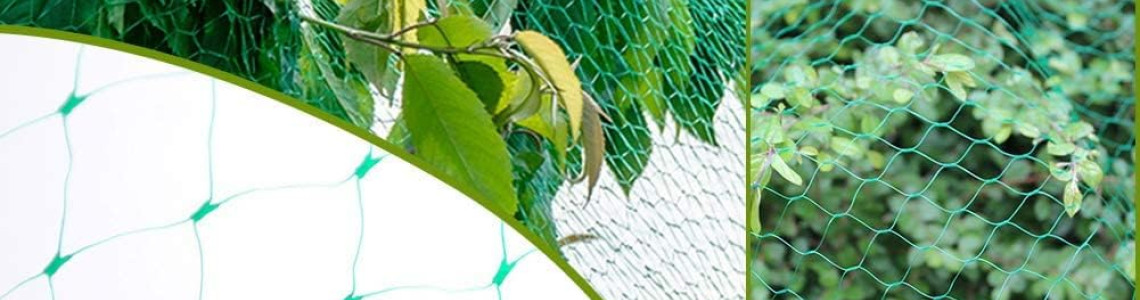
Bird netting is a protective mesh barrier installed over crops or farming areas to prevent birds from accessing and damaging agricultural produce.
Bird netting works by physically blocking birds while still allowing sunlight, air, and rain to pass through. It is commonly made from UV-stabilized polyethylene or nylon, making it durable enough for outdoor agricultural use in Kenya’s varied climate conditions.
Key Characteristics
- Lightweight but strong mesh structure
- UV-resistant material for long outdoor life
- Available in different mesh sizes depending on crop type
- Reusable across multiple seasons
To browse agricultural protection tools and farming supplies:
product/catalog
Importance of Bird Netting in Kenya
Bird netting is important because it significantly reduces crop losses caused by birds, improving yield quality and profitability for farmers.
In Kenya, bird infestation is particularly severe in:
- Maize farms in Rift Valley
- Mango orchards in Eastern Kenya
- Vegetable farms in Naivasha and Kajiado
- Rice fields in Mwea
- Grain storage farms in Western Kenya
Without protection, farmers can lose up to 30% of their harvest to bird damage.
Key Benefits
- Prevents crop destruction before harvest
- Improves marketable produce quality
- Reduces reliance on chemical repellents
- Environmentally friendly farming solution
- Suitable for both small and large farms
Types of Bird Netting Used in Kenya
1. HDPE Bird Netting
HDPE bird netting is the most durable and long-lasting type of bird netting used in commercial farming in Kenya.
HDPE (High-Density Polyethylene) netting is UV-stabilized, meaning it can withstand intense sunlight without degrading quickly.
Advantages:
- Lasts 3–5 years
- High tensile strength
- Resistant to tearing and weather conditions
2. Nylon Bird Netting
Nylon bird netting is a flexible and cost-effective option used for short-term or seasonal crop protection.
Advantages:
- Affordable for small-scale farmers
- Easy to install and remove
- Suitable for seasonal crops
3. Polyethylene Netting
Polyethylene netting is widely used in greenhouse farming and medium-scale agricultural protection systems.
Advantages:
- Lightweight structure
- Good weather resistance
- Suitable for horticulture farms
Uses of Bird Netting in Kenyan Agriculture
Bird netting is used to protect crops, improve yields, and reduce agricultural losses across multiple farming systems in Kenya.
Main Applications
- Fruit farming (mangoes, oranges, avocados)
- Vegetable farming (kale, tomatoes, cabbages)
- Grain protection (maize, sorghum, wheat)
- Greenhouse farming systems
- Aquaculture fish cage protection systems
Farmers can explore related farming tools here:
fishing-accessories
How Bird Netting Works
Bird netting works by creating a physical barrier that prevents birds from landing or feeding on crops while maintaining airflow and sunlight penetration.
Mechanism of Action
- Net is installed over crops or structures
- Birds attempt to access crops but are blocked
- Crops continue growing without interference
- Farmers harvest undamaged produce
This simple system eliminates the need for constant human guarding or chemical deterrents.
Cost of Bird Netting in Kenya
Bird netting in Kenya costs between KES 20 and KES 150 per square meter depending on material quality and durability.
Type Cost (KES/m²) Usage Nylon netting 20–50 Small farms Polyethylene netting 50–100 Medium farms HDPE netting 100–150 Commercial farms
| Type | Cost (KES/m²) | Usage |
|---|---|---|
| Nylon netting | 20–50 | Small farms |
| Polyethylene netting | 50–100 | Medium farms |
| HDPE netting | 100–150 | Commercial farms |
For product browsing and pricing updates, visit:
product/catalog
product/catalog
Installation of Bird Netting
Proper installation ensures full crop protection and prevents birds from entering through gaps.
Step-by-Step Installation
- Measure farm area accurately
- Select appropriate net type and mesh size
- Install support poles or frames
- Stretch net evenly across crop area
- Secure edges tightly to prevent entry
Installation Tips
- Avoid sagging sections where birds can land
- Ensure full coverage over orchards
- Reinforce edges in windy regions
Durability and Maintenance
Bird netting lasts between 2 and 5 years depending on material quality and maintenance practices.
Factors Affecting Durability
- UV exposure from sunlight
- Strong winds and storms
- Physical damage from birds or tools
- Poor installation techniques
Maintenance Practices
- Regular cleaning of debris
- Repairing tears immediately
- Proper storage during off-season
- Periodic inspection of anchoring points
Bird Netting vs Other Crop Protection Methods
Bird netting is more effective and sustainable than scarecrows, sound devices, or chemical repellents.
| Method | Effectiveness | Cost | Sustainability |
|---|---|---|---|
| Bird Netting | High | Medium | High |
| Scarecrows | Low | Low | Low |
| Chemical Sprays | Medium | High | Low |
| Sound Devices | Medium | Medium | Medium |
Bird netting provides full physical protection, making it the most reliable option for Kenyan farmers.
Application in Kenyan Farming Systems
Small-Scale Farming
Small-scale farmers use bird netting to protect seasonal crops and reduce losses in small plots.
Common crops:
- Tomatoes
- Kale
- Beans
Commercial Farming
Commercial farms use large HDPE netting systems for orchards and greenhouse protection.
Key farming zones:
- Naivasha horticulture belt
- Central Kenya fruit farms
- Rift Valley grain farms
Aquaculture Integration
Bird netting is also used in fish farming systems to protect fish cages and ponds from bird predation.
This is especially important in:
- Lake Victoria cage farming systems
- Fish ponds in Western Kenya
Explore aquaculture-related equipment:
terminal-tackle
Common Mistakes Farmers Make
The most common mistake is poor installation, which reduces the effectiveness of bird netting systems.
Mistakes to Avoid
- Leaving gaps in coverage
- Using weak materials in windy areas
- Ignoring regular maintenance
- Installing without proper support structures
FAQ: Bird Netting in Kenya
1. Where can I buy bird netting in Kenya?
You can buy bird netting from Maimun Fishing & Tackles Ltd online store or physical location in Nairobi:
information/contact
2. Does bird netting affect plant growth?
No. It allows sunlight, air, and water to pass through normally.
3. How long does bird netting last?
High-quality HDPE bird netting lasts up to 5 years.
4. Can bird netting be reused?
Yes, it is reusable if properly maintained and stored.
5. What crops need bird netting most?
Fruits such as mangoes, grapes, and berries are most affected by bird damage.
Store & Delivery Information
Maimun Fishing & Tackles Ltd supplies farming and fishing protection solutions across Kenya.
Location: Karen Rd, Nairobi
Phone:+254 731 793 572/+254 753 110 021
Store Hours: Monday – Saturday: 8:00 AM – 6:00 PM
Delivery Coverage
- Nairobi
- Kisumu
- Naivasha
- Mombasa
- Nakuru
- Eldoret
Related Products & Resources
Explore more agricultural and fishing solutions:
- Fishing gear and accessories
- Tackle storage solutions
- Fly fishing equipment
- Fishing lures and bait tools
More insights:
Leave a Comment