


Best Pumps for Aquaculture in Kenya | Fish Farming Water Pumps Guide
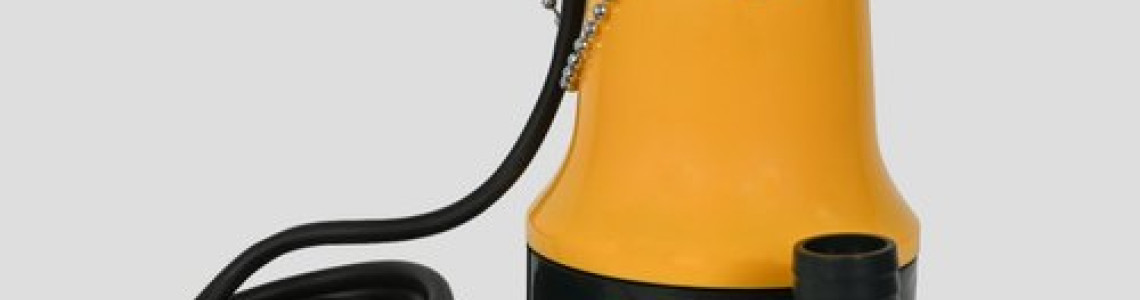
Best Pumps for Aquaculture in Kenya: Complete Guide to Water Pumps for Fish Farming Efficiency
Why Aquaculture Pumps Matter in Kenya
Aquaculture in Kenya has expanded rapidly, especially in regions such as Kisumu, Homa Bay, Busia, and coastal counties like Kilifi and Mombasa. As fish farming shifts from subsistence to commercial production, water management technology has become a critical success factor. Among the most important tools in modern fish farming are aquaculture pumps, which regulate water movement in ponds, tanks, and recirculating systems.
Without proper water circulation, fish ponds can suffer from oxygen depletion, ammonia buildup, algae overgrowth, and disease outbreaks. Pumps solve these challenges by ensuring continuous movement and aeration of water, improving fish survival rates and overall yield.
Maimun Fishing & Tackles Ltd (MFT) provides access to fishing and aquaculture equipment through its online platform and its full product catalog at
What Are Aquaculture Pumps in Fish Farming?
Aquaculture pumps are mechanical devices designed to move, circulate, or aerate water in fish ponds and tanks to maintain stable environmental conditions for aquatic life.
In Kenyan aquaculture systems, pumps are used in:
- Earthen ponds (common in rural fish farming)
- Concrete tanks (urban and semi-commercial setups)
- Recirculating Aquaculture Systems (RAS)
- Cage farming in lakes such as Lake Victoria
Key Function of Aquaculture Pumps
Aquaculture pumps perform three main functions:
- Water circulation – keeps oxygen distributed evenly
- Filtration support – moves water through filters
- Waste removal – prevents accumulation of ammonia and solids
In technical terms, a pump creates hydraulic pressure that moves water from one location to another. The efficiency is measured in flow rate (liters/hour) and head height (meters).
Types of Aquaculture Pumps Used in Kenya
The most common aquaculture pumps in Kenya include submersible pumps, centrifugal pumps, and solar-powered pumps, each suited for different farm sizes and energy availability.
1. Submersible Pumps
These pumps operate while fully submerged in water.
Best for:
- Small to medium fish ponds
- Tilapia farming systems
- Low-maintenance operations
Advantages:
- Quiet operation
- High efficiency
- Easy installation
2. Centrifugal Pumps
These pumps use rotational energy to move water.
Best for:
- Large commercial aquaculture farms
- Water transfer between ponds
- High-volume circulation systems
Advantages:
- High flow rate
- Durable under continuous operation
- Suitable for muddy water conditions
3. Solar Aquaculture Pumps
These pumps are powered by solar energy systems.
Best for:
- Off-grid farms in rural Kenya
- Cost-saving long-term operations
- Sustainable aquaculture projects
Advantages:
- Low operational cost
- Environmentally friendly
- Ideal for high-sun regions in Kenya
Importance of Water Pumps in Fish Farming in Kenya
Water pumps improve oxygen levels, stabilize temperature, and remove toxic waste, directly increasing fish survival rates and farm profitability.
Oxygen Management
Fish such as tilapia and catfish require oxygen-rich water. Pumps ensure constant oxygen distribution, especially in hot Kenyan climates where oxygen levels drop quickly.
Waste Control
Fish waste produces ammonia, which is toxic in high concentrations. Pumps help circulate water through filtration systems.
Disease Prevention
Stagnant water increases bacterial growth. Moving water reduces disease outbreaks significantly.
Improved Growth Rates
Healthy water conditions reduce stress, allowing fish to feed more efficiently and grow faster.
Uses of Aquaculture Pumps in Kenya
Aquaculture pumps are used for pond circulation, aeration systems, water transfer, and integrated fish farming systems across Kenya.
1. Tilapia Farming Systems
Tilapia is the most farmed fish in Kenya. Pumps help maintain oxygen levels in high-density ponds.
2. Catfish Production
Catfish tolerate low oxygen but grow faster in well-oxygenated environments created by pumps.
3. Cage Farming in Lakes
In Lake Victoria regions (Kisumu, Homabay), pumps assist in maintaining water exchange inside floating cages.
4. Hatcheries
Fish hatcheries use pumps to maintain clean, controlled environments for fingerlings.
How to Choose the Best Aquaculture Pump in Kenya
The best aquaculture pump is selected based on pond size, flow rate requirements, energy availability, and water conditions.
Key Selection Factors
1. Flow Rate (Capacity)
Measured in liters per hour (LPH). Higher LPH = more water movement.
2. Head Height
The vertical distance the pump can move water. Important for elevated tanks.
3. Energy Source
- Electricity (most common in urban Kenya)
- Solar (rural farms)
- Diesel backup systems
4. Water Quality
Mud, algae, and debris affect pump durability.
Comparison Table: Aquaculture Pump Types in Kenya
| Pump Type | Best Use Case | Energy Source | Cost Range (KES) | Efficiency |
|---|---|---|---|---|
| Submersible | Small ponds | Electricity | 5,000–25,000 | High |
| Centrifugal | Large farms | Electricity | 10,000–80,000 | Very High |
| Solar Pumps | Off-grid farms | Solar | 20,000–150,000 | Medium |
Cost of Aquaculture Pumps in Kenya
Aquaculture pumps in Kenya range from KES 5,000 for small submersible models to over KES 150,000 for industrial solar-powered systems.
Price Breakdown
- Entry-level pumps: KES 5,000 – 15,000
- Mid-range pumps: KES 15,000 – 50,000
- Commercial systems: KES 50,000 – 150,000+
Prices depend on:
- Flow capacity
- Brand
- Energy type
- Material durability
Products can be explored
Durability and Maintenance of Aquaculture Pumps
Pump durability depends on material quality, maintenance frequency, and operating conditions such as water cleanliness and load usage.
Maintenance Practices
- Clean filters weekly
- Avoid dry running
- Inspect impellers monthly
- Use voltage stabilizers
Common Failure Causes
- Debris clogging
- Overheating
- Poor electrical supply
- Corrosion
Application Guide: Commercial vs Small-Scale Fish Farming
Commercial Aquaculture Systems
Large farms in Kisumu and Naivasha require high-capacity centrifugal pumps for continuous operation and high-density stocking systems.
Small-Scale Fish Farming
Smallholders use submersible pumps due to affordability and simplicity.
Integrated Farming Systems
Pumps are also used in fish–crop integrated systems where nutrient-rich water is reused for irrigation.
Role of Pumps in Sustainable Aquaculture in Kenya
Pumps enable sustainable aquaculture by improving water reuse, reducing fish mortality, and increasing production efficiency per unit of water.
Kenya’s aquaculture sector is moving toward:
- Recirculating Aquaculture Systems (RAS)
- Solar-powered pumping systems
- Integrated fish farming models
Common Challenges in Aquaculture Pump Usage in Kenya
The main challenges include power instability, pump clogging, high initial costs, and improper sizing.
Solutions
- Solar backup systems for rural farms
- Pre-filtration systems
- Correct pump sizing
- Regular maintenance schedules
FAQ: Aquaculture Pumps in Kenya
1. What is the best pump for fish farming in Kenya?
Submersible pumps are best for small farms, while centrifugal pumps suit large commercial systems.
2. How much does a fish pond pump cost in Kenya?
Between KES 5,000 and KES 150,000 depending on capacity.
3. Can solar pumps be used in fish farming?
Yes, they are ideal for off-grid aquaculture systems.
4. How do I size a pump for my fish pond?
Based on pond volume and turnover rate (typically 1–2 times per hour).
5. Where can I buy aquaculture pumps in Kenya?
From MFT’s online store
6. Do pumps improve fish growth?
Yes, improved oxygenation enhances feeding efficiency and growth.
Store & Delivery Information (MFT Kenya)
Maimun Fishing & Tackles Ltd supplies fishing and aquaculture equipment across Kenya.
Delivery locations include:
- Nairobi
- Kisumu
- Mombasa
- Nakuru
- Eldoret
- Homabay
- Naivasha
MFT Kenya Contact Details
Store Address
Darosa Plaza, Karen Road, Nairobi, Kenya
Leave a Comment