


Benefits of Agricultural Mulch Film for Farmers in Kenya
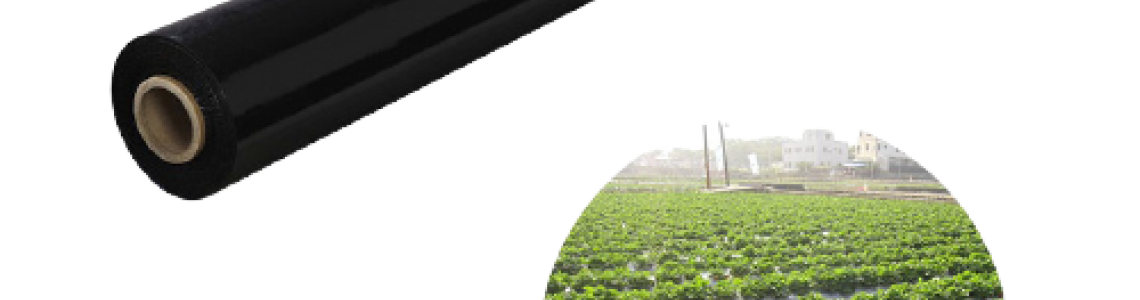
How Mulch Film Improves Farming Productivity in Kenya
Agricultural mulch film is one of the most effective modern farming inputs used in Kenya to improve crop yields, reduce water loss, and suppress weed growth. It is widely applied in horticulture farms around Naivasha, Kajiado, Nyeri, Nakuru, and peri-urban Nairobi where water conservation and soil efficiency are critical.
Mulch film is a thin plastic sheet—usually polyethylene-based—laid on the soil surface to modify soil temperature, reduce evaporation, and improve growing conditions for crops such as tomatoes, strawberries, peppers, watermelons, and leafy vegetables.
In Kenya’s increasingly unpredictable climate, where drought cycles and erratic rainfall affect production, mulch film has become a practical solution for both smallholder farmers and commercial agribusinesses.
What is Agricultural Mulch Film?
Agricultural mulch film is a plastic covering placed on soil to improve crop growth by conserving moisture, controlling weeds, and stabilizing soil temperature.
Mulch film works by creating a barrier between soil and the atmosphere. This barrier reduces evaporation, limits weed germination, and improves nutrient efficiency.
Key Entity Definition
- Mulch Film (Agricultural Mulch Film): A polyethylene plastic sheet used in farming to improve soil conditions and crop productivity by controlling moisture, temperature, and weed growth.
How Mulch Film Works in Farming Systems
Mulch film works by physically covering the soil surface, which reduces evaporation, blocks sunlight to weeds, and regulates soil temperature for better root development.
When applied correctly, mulch film modifies the micro-environment around crops:
- Reduces water loss through evaporation
- Prevents weed seed germination by blocking sunlight
- Keeps soil warmer during cold seasons and cooler during hot periods
- Improves fertilizer retention in the root zone
This makes it highly effective in Kenyan regions with sandy soils or inconsistent rainfall.
Benefits of Agricultural Mulch Film in Kenya
1. Water Conservation
Mulch film significantly reduces water loss from soil, helping farmers conserve irrigation water.
In areas like Kajiado and Machakos, where water scarcity is common, mulch film allows farmers to irrigate less frequently while maintaining healthy crop growth.
2. Weed Suppression
Mulch film blocks sunlight from reaching the soil, preventing weed germination and reducing the need for herbicides.
Weed control is one of the biggest costs in Kenyan horticulture farming. By using mulch film, farmers reduce labor costs and chemical dependency.
3. Improved Crop Yield
Mulch film increases crop yields by improving soil conditions and reducing plant stress.
Crops such as tomatoes and strawberries show higher productivity when grown under mulch because roots develop in stable moisture and temperature conditions.
4. Soil Temperature Regulation
Mulch film stabilizes soil temperature, protecting crops from heat stress and cold damage.
Black mulch absorbs heat, warming soil in cooler highland regions like Nyeri, while reflective films reduce overheating in hotter regions like Makueni.
Types of Agricultural Mulch Film Used in Kenya
Black Mulch Film
- Most common type in Kenya
- Excellent weed control
- Retains soil warmth
Silver/Reflective Mulch Film
- Reflects sunlight
- Reduces insect infestation
- Used in high-value crops
Clear Mulch Film
- Increases soil temperature quickly
- Used in early-season planting
Biodegradable Mulch Film
- Eco-friendly option
- Breaks down naturally in soil
Comparison of Mulch Film Types
| Type | Weed Control | Heat Retention | Best Use Case |
|---|---|---|---|
| Black Film | High | High | General farming |
| Silver Film | Medium | Medium | Pest-sensitive crops |
| Clear Film | Low | Very High | Early planting |
| Biodegradable | Medium | Medium | Organic farming |
Cost of Agricultural Mulch Film in Kenya
The cost of mulch film in Kenya depends on thickness, width, and quality, typically ranging from affordable rolls for small farms to industrial-grade rolls for commercial agriculture.
Typical pricing factors include:
- Thickness (micron level)
- Roll length (meters per roll)
- UV resistance
- Imported vs locally produced material
Farmers in Nairobi and Naivasha often buy in bulk to reduce per-acre costs.
Applications of Mulch Film in Kenyan Agriculture
1. Horticulture Farming
Mulch film is widely used in:
- Tomato farming
- Capsicum (bell pepper) production
- Cucumber cultivation
It helps improve fruit quality and reduces soil-borne diseases.
2. Strawberry Farming
Strawberries in Naivasha and Limuru benefit significantly because mulch:
- Keeps fruits clean
- Prevents rot from soil contact
- Improves sweetness through stable moisture
3. Watermelon Farming
Mulch film improves:
- Fruit size consistency
- Water retention during growth cycles
- Weed control in large farms
4. Greenhouse Farming
In controlled environments:
- Mulch film enhances nutrient efficiency
- Reduces irrigation frequency
- Improves crop uniformity
Technical Specifications of Mulch Film
Common specifications used in Kenya include:
- Thickness: 20–60 microns
- Width: 0.8m – 1.5m
- Length: 500m – 1500m rolls
- Material: LDPE (Low-Density Polyethylene)
- UV stabilization: 6–12 months durability
These specifications determine how long the film lasts under Kenyan sun exposure.
Challenges of Using Mulch Film
The main challenges include disposal issues, installation labor, and initial cost for small-scale farmers.
- Plastic waste management remains a concern
- Requires proper installation techniques
- Upfront cost may be high for smallholder farmers
However, yield improvements often offset these challenges.
Where to Buy Agricultural Mulch Film in Kenya
Mulch film is available through agricultural suppliers and farming input stores in Nairobi and other major towns.
One trusted supplier category includes:
- Agricultural input suppliers
- Horticultural equipment dealers
- Online farming stores in Kenya
Farmers should prioritize UV-stabilized mulch film for durability in Kenyan climate conditions.
FAQ: Mulch Film in Kenya
1. What is mulch film used for in farming?
It is used to conserve moisture, control weeds, and improve crop yields.
2. Which crops benefit most from mulch film in Kenya?
Tomatoes, strawberries, peppers, cucumbers, and watermelons.
3. Is mulch film reusable?
Most plastic mulch films are single-season, though some heavy-duty types can last longer.
4. Does mulch film improve soil fertility?
Indirectly yes, by improving nutrient retention and reducing leaching.
5. What is the best mulch film type for Kenya?
Black UV-stabilized polyethylene film is the most widely used.
6. Can mulch film be used in dry areas?
Yes, it is especially effective in dry and semi-arid regions like Kajiado and Machakos.
Leave a Comment