


Fish Pond Aeration Systems: How They Work and Main Types
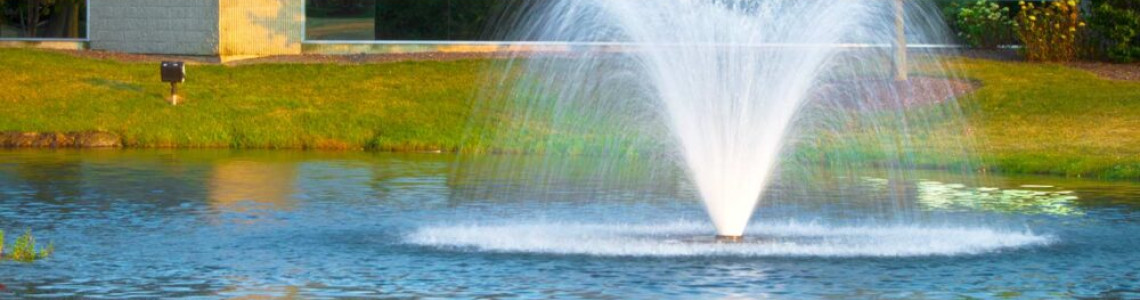
Aeration adds air or oxygen to water to raise dissolved oxygen (DO) levels so fish, shrimp and microorganisms can breathe. It also circulates water to remove stagnant zones and flushes out harmful gases. Common systems are diffused aerators, surface aerators (paddlewheels or propellers), jet aerators, and solar or wind-powered aerators for remote ponds.
Aeration is the process of adding air or oxygen to water to increase dissolved oxygen( DO) levels and support aquatic life.
How Aeration Works
Oxygen Transfer- Introduces atmospheric oxygen into water so fish, shrimp and microorganisms can breathe.
It eliminates stagnant zones and distribute oxygen evenly though water circulation.
Flashes out harmful gasses through gases exchange.
Common Types of Aeration Systems
Diffused Aeration Systems: Pumps compressed air through a network of submerged pipes and diffuser membranes placed at the bottom of a tank or pond.
Surface Aerators: Uses a motor-driven propeller, paddlewheel or brush at the water's surface to splash liquid into the air and drive surface turbulence.
Jet Aeration Systems: Combines a high velocity liquid pump with a venturi nozzle to inject and shear compressed air into deep or high-strength water.
Solar and wind-powered aerators: These are eco friendly, grid-independent variations of diffused or mechanical systems run via solar panels or mechanical wind-pumping heads for remote ponds.
Published · Updated
About Maimun Fishing Tackles. Serving Kenya's fishing community since 1975 (founded as Asma & Sons in Old Town Mombasa) — fishing tackle, nets, aquaculture equipment and farm netting, with branches in Mombasa (Nehru Road), Nairobi (Darosa Plaza, Karen Road), Malindi and Naivasha. Questions about this guide? Call or WhatsApp +254 706 903 465 or email [email protected].
Leave a Comment