


SPINNING VS BAITCASTING REEL
25 Aug
Posted By
0 Comment(s)
45 View(s)
Choosing between a spinning reel and a baitcasting reel comes down to your lure weight, skill level, and fishing style.
Spinning Reels
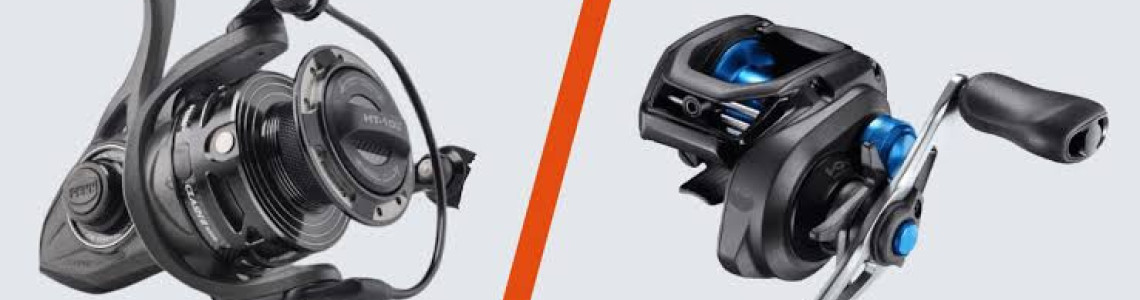
Spinning reels hang beneath the rod and feature a stationary spool. Line pulls straight off the spool during a cast.
- Pros:
- Very easy for beginners to learn with a short learning curve.
- Excels at throwing lightweight lures (under 1/4 ounce).
- Less risk of painful tangles or backlash.
- More forgiving when casting into the wind.
- Cons:
- Struggles with heavy lines and bulky lures.
- Prone to line twist over time.
- Offers less direct line control and accuracy during high-speed power fishing.
Baitcasting Reels
Baitcasting reels sit on top of the rod and feature a rotating spool that spins as the line feeds out.
- Pros:
- Delivers superior casting accuracy and pin-point control.
- Handles heavy lines and thick cover with ease.
- Excels at casting medium-to-heavy lures (3/8 ounce and up).
- Provides direct leverage to stop large fish quickly.
- Cons:
- Steep learning curve with a high risk of "backlash" (bird's nests) if your thumb doesn't control the spool speed.
- Difficult to cast very light lures.
- Requires constant manual thumb tuning and brake adjustments.
Summary: Which Should You Choose
Choose a spinning reel if you are a beginner, prefer finesse fishing with light baits, or fish in windy conditions.
Choose a baitcasting reel if you use heavy lures, need pin-point casting accuracy around heavy cover, or have experience controlling a spinning spool.
Leave a Comment