


Fishing Net Maintenance in Kenya – Prevent UV & Saltwater Damage | Maimun Fishing & Tackles Ltd
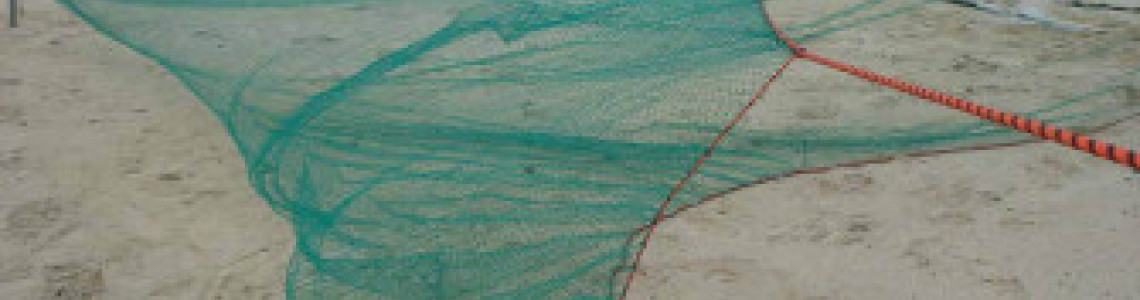
Maintaining Your Fishing Nets: 5 Essential Tips to Prevent UV Damage and Saltwater Corrosion in Kenya
Fishing nets are not consumables. They are capital assets.
For commercial fishing fleets, aquaculture operators, and cooperative societies across Kenya, nets represent one of the largest recurring investments in fishing operations. Whether deployed in the Indian Ocean along Mombasa and Malindi, in Lake Victoria’s high-pressure inland fisheries, or within inland cage and pond systems, fishing nets are subjected daily to forces that silently degrade their performance long before visible failure occurs.
Ultraviolet (UV) radiation and saltwater exposure are the two most destructive environmental factors affecting net longevity in Kenya. Their impact is cumulative, irreversible, and often underestimated. Poor maintenance shortens usable net life, increases replacement frequency, reduces catch efficiency, and introduces operational risk through unexpected failures.
This professional maintenance guide is written specifically for fleet owners, aquaculture managers, and commercial operators managing multiple nets across vessels or production systems. It delivers practical, technical guidance grounded in Kenyan fishing conditions, aligned with Maimun Fishing & Tackles Ltd (MFT) professional-grade netting standards.
Why Fishing Net Maintenance Is a Business-Critical Function
In commercial fishing, net failure is not a random event. It is the predictable outcome of unmanaged degradation.
Hidden Strength Loss Before Failure
Fishing net fibers degrade at a molecular level long before they break. UV radiation weakens polymer chains, while saltwater accelerates mechanical abrasion at knots and mesh intersections. By the time holes or tears appear, tensile strength may already be reduced by 30–50 percent.
This loss directly affects:
Catch retention efficiency
Ability to withstand load during hauling
Resistance to tearing under wave or current pressure
In Kenya, many fleets replace nets 30–50 percent earlier than necessary due to avoidable UV and salt-related damage. Structured maintenance protocols can extend usable net life by up to 40 percent, reducing cost per kilogram landed and stabilizing operating budgets.
Fleet operators sourcing professional netting through
https://shop.mft.co.ke/netting
extract maximum value only when maintenance is enforced from first deployment.
Understanding the Two Primary Net Killers in Kenya
1. Ultraviolet (UV) Radiation
Kenya’s equatorial position exposes fishing gear to intense UV radiation year-round. UV breaks down polymer chains in synthetic fibers, causing:
Loss of elasticity in Nylon
Brittleness in HDPE
Progressive knot failure
High-altitude inland lakes and reservoirs experience higher UV intensity than many coastal areas, making UV protection equally critical for inland fleets.
2. Saltwater Exposure
Saltwater damage is primarily mechanical, not chemical.
When seawater dries on nets:
Salt crystals form abrasive surfaces
Knots stiffen and lose flexibility
Micro-friction increases during hauling
Without rinsing, salt deposits continue damaging fibers even when nets are not in use.
Tip 1: Control UV Exposure During Drying and Storage
Quick Advisory:
UV radiation is the leading cause of premature net failure in Kenya. Shade drying is not optional for professional fleets.
Technical Breakdown
Nylon and HDPE nets degrade differently under UV exposure:
Nylon: Loses elasticity, increasing tearing risk under load
HDPE: Becomes brittle, leading to sudden breakage
Common damaging practices include:
Drying nets on open beaches
Leaving nets spread on rooftops
Prolonged sun exposure after rinsing
Best Practice for Kenyan Fleets
Dry nets under shade or UV-filtered roofing
Minimize direct sunlight exposure to the shortest possible time
Rotate drying orientation to prevent localized degradation
Prioritize airflow over heat
Well-ventilated shade drying preserves fiber integrity far longer than sun baking. Nets maintained this way retain uniform tensile strength across mesh and knots.
Tip 2: Rinse Saltwater Nets Immediately After Retrieval
Quick Advisory:
Saltwater damage continues after fishing stops. Freshwater rinsing halts degradation.
Technical Breakdown
Salt crystals form sharp, abrasive surfaces as seawater evaporates. These crystals:
Cut into fibers during hauling
Trap moisture, increasing wear
Reduce knot flexibility and load tolerance
Correct Marine Protocol
Immediately after retrieval:
Rinse nets thoroughly with freshwater
Focus on knot intersections, lead lines, and reinforced edges
Allow controlled drainage before drying
Even minimal freshwater rinsing dramatically reduces long-term damage.
Marine fleets using professional systems from:
https://shop.mft.co.ke/marine/boat-equipment
and
https://shop.mft.co.ke/marine/ropes
experience reduced wear across entire gear assemblies when nets are properly rinsed.
Tip 3: Inspect and Repair Small Damage Before Redeployment
Quick Advisory:
Small damage spreads exponentially. Early repair prevents catastrophic failure.
How Net Failure Progresses
Fishing nets fail progressively:
Fraying begins at knot points
Mesh deformation spreads under load
Tears propagate along stressed lines
Ignoring a single damaged section can result in complete net loss during hauling.
Fleet-Level Inspection Protocol
Professional fleets should enforce:
Visual inspection after every retrieval
Immediate repair of damaged mesh
Reinforcement of high-stress zones
Repair tools and accessories sourced from
https://shop.mft.co.ke/fishing/fishing-accessories
reduce downtime and extend deployment cycles.
Tip 4: Store Nets Dry, Elevated, and Properly Coiled
Quick Advisory:
Improper storage degrades nets even when unused.
Common Kenyan Storage Mistakes
Leaving nets on damp ground
Storing while partially wet
Over-compressing coils
These practices cause:
Mildew growth
Fiber fatigue
Permanent mesh deformation
Correct Storage Standards
Ensure nets are fully dry before storage
Elevate nets off floors using racks or pallets
Coil loosely to preserve mesh geometry
Aquaculture operators using cage materials such as
https://shop.mft.co.ke/fish-cage-net-material-x-1-bundle-x-50m-x-7m
should apply identical standards during harvest and maintenance cycles.
Tip 5: Match Maintenance Intensity to Net Material
Quick Advisory:
Nylon and HDPE require different care. Uniform protocols shorten lifespan.
Nylon Nets
Inspect frequently for abrasion
Preserve elasticity through controlled drying
Ideal for high-frequency deployment
HDPE Nets
Monitor for brittleness
Limit prolonged UV exposure
Replace earlier when knot rigidity increases
Fleet owners managing mixed inventories must label nets clearly and train crews accordingly. Selecting material-appropriate nets from:
https://shop.mft.co.ke/aquaculture/fishing-nets
and
https://shop.mft.co.ke/aquaculture/fishing-accessories
simplifies long-term planning.
Saltwater vs Freshwater Maintenance Requirements
Quick Advisory:
Marine environments accelerate degradation. Freshwater reduces salt abrasion but not UV damage.
Marine fleets: Emphasize rinsing, drying, knot inspection
Lake Victoria fleets: Focus on UV protection and abrasion control
Inland aquaculture: Prioritize biofouling removal and structural integrity
Neglect produces predictable failure regardless of environment.
Maintenance as a Fleet-Level ROI Strategy
Professional fleets treat nets as depreciating assets with scheduled maintenance.
This approach:
Reduces emergency purchases
Improves catch consistency
Lowers cost per deployment
Operators sourcing complete systems through
https://shop.mft.co.ke/fishing
achieve full value only when maintenance discipline is enforced.
Common Net Maintenance Mistakes in Kenya
Avoid:
Drying nets on hot sand or concrete
Storing nets wet overnight
Ignoring small tears
Mixing Nylon and HDPE without labeling
Correcting these errors yields immediate durability gains.
Why Fleet Owners Trust Maimun Fishing & Tackles Ltd
Maimun Fishing & Tackles Ltd supports professional fleets through:
Commercial-grade fishing and aquaculture nets
Material-specific technical guidance
Nationwide delivery aligned to operational timelines
Visit the Karen Road showroom or shop online at:
https://shop.mft.co.ke/
Store & Delivery Information
Maimun Fishing & Tackles Ltd supplies fishing equipment across Kenya.
Location: Karen Rd, Nairobi
Phone: +254 731 793 572 / +254 753 110 021
Store Hours: Monday – Saturday: 8:00 AM – 6:00 PM
Delivery Coverage-
Nairobi
-
Kisumu
-
Mombasa
-
Naivasha
-
Nakuru
-
Eldoret
Related Products
Fishing Nets
Fishing Accessories
Marine Ropes
Aquaculture Net Materials
More from Maimun Fishing & Tackles Ltd
About Us
https://shop.mft.co.ke/index.php?information_id=4&route=information%2Finformation
Fishing Gear Collections
https://shop.mft.co.ke/fishing
Leave a Comment