


Fishing Lures Storage Tips – Prevent Rust & Damage | Maimun Fishing & Tackles Ltd
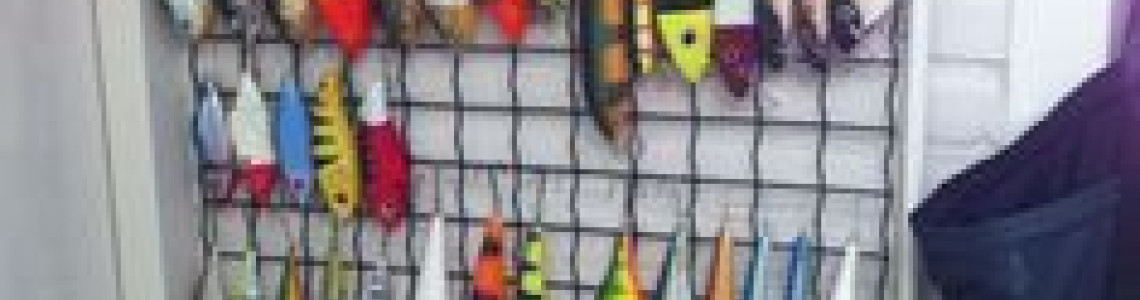
How to Store Fishing Lures to Prevent Rust and Damage
Proper fishing lure storage is essential for anglers in Kenya because high humidity, intense UV exposure, freshwater algae, and coastal salt accelerate rust, corrosion, paint damage, and material breakdown. Correct storage techniques protect hooks, finishes, and lure action, extending the usable life of fishing lures used in lakes, rivers, aquaculture systems, and marine environments across Kenya.
Introduction: Why Lure Storage Matters in Kenya
Fishing lures are not disposable accessories; they are precision tools designed to produce specific vibration patterns, sink rates, and visual cues. In Kenya, anglers fish under conditions that are particularly harsh on tackle. High daytime temperatures, fluctuating water quality in inland lakes, and salt exposure along the Indian Ocean coastline dramatically shorten lure lifespan when storage is neglected.
Many cases of lure failure—rusted hooks, seized split rings, faded finishes, warped soft plastics—occur not during fishing but inside tackle boxes after use. Maimun Fishing & Tackles Ltd has supported Kenyan anglers, aquaculture operators, and marine users for decades, and poor storage remains one of the most common causes of premature lure loss.
This guide provides technically correct, Kenya-specific storage practices that preserve lure performance whether you fish Lake Victoria, Lake Naivasha, Mt. Kenya trout streams, or coastal waters around Mombasa and Kilifi.
Fishing Lures Used in Kenya
Quick Answer:
Fishing lures in Kenya are used across freshwater, saltwater, and aquaculture systems to target species such as tilapia, Nile perch, catfish, trout, bass, kingfish, snapper, and barracuda, requiring storage methods that prevent moisture-driven corrosion and UV damage.
Common Lure Categories
Lure Type Examples Storage Risk Hard baits Crankbaits, jerkbaits, topwater Paint chipping, hook rust Metal lures Spoons, jigs, spinners Rapid corrosion Soft plastics Worms, minnows, grubs Melting, deformation Fly lures Wet flies, terrestrials, salmon flies Mold, material decay
| Lure Type | Examples | Storage Risk |
|---|---|---|
| Hard baits | Crankbaits, jerkbaits, topwater | Paint chipping, hook rust |
| Metal lures | Spoons, jigs, spinners | Rapid corrosion |
| Soft plastics | Worms, minnows, grubs | Melting, deformation |
| Fly lures | Wet flies, terrestrials, salmon flies | Mold, material decay |
Because Kenya spans both inland and marine fishing zones, anglers often mix freshwater and saltwater lures—making disciplined storage even more critical.
Why Fishing Lures Rust and Get Damaged
Quick Answer:
Fishing lures rust and deteriorate due to moisture retention, salt residue, UV exposure, chemical reactions between materials, and physical abrasion when stored improperly.
Key Causes of Damage
Cause Effect Moisture Rusted hooks and split rings Salt residue Accelerated corrosion UV exposure Faded colors, weakened plastics Material contact Melted soft plastics Poor organization Bent hooks, chipped paint
| Cause | Effect |
|---|---|
| Moisture | Rusted hooks and split rings |
| Salt residue | Accelerated corrosion |
| UV exposure | Faded colors, weakened plastics |
| Material contact | Melted soft plastics |
| Poor organization | Bent hooks, chipped paint |
Cost of Fishing Lures in Kenya
Quick Answer:
Fishing lures represent a long-term investment in Kenya, with prices ranging from entry-level to premium imports, making proper storage essential for value retention.
| Category | Price Range (KES) | Typical Use |
|---|---|---|
| Entry-level | 80 – 300 | Casual fishing |
| Standard | 300 – 900 | Regular freshwater use |
| Premium | 1,000 – 3,500+ | Specialized or imported lures |
Replacing corroded hooks or damaged finishes repeatedly costs more than maintaining proper storage conditions.
Durability Factors of Fishing Lures
Quick Answer:
The lifespan of fishing lures depends on material composition, hook quality, finish protection, and storage environment.
| Component | Durability Consideration |
|---|---|
| Metal bodies | Corrode without drying |
| Plastic bodies | UV degradation |
| Soft plastics | Chemical leaching |
| Hooks | Fastest to rust |
| Paint finishes | Scratch-sensitive |
How to Store Fishing Lures to Prevent Rust and Damage
1. Always Dry Lures Before Storage
Quick Answer:
Drying lures completely before storage eliminates trapped moisture that causes hook and hardware rust.
Wipe with absorbent cloth
Air-dry for 5–10 minutes
Shake flies gently to remove trapped water
This is especially critical after fishing in Lake Victoria and coastal environments where humidity remains high.
2. Use Compartmentalized Tackle Boxes
Quick Answer:
Compartmentalized tackle boxes prevent hook tangling, paint abrasion, and accidental deformation of lure bodies.
| Feature | Benefit |
|---|---|
| Adjustable dividers | Organized separation |
| Waterproof seals | Moisture control |
| Rust-resistant latches | Longevity |
Anglers benefit from using tackle boxes and bags designed for Kenyan fishing conditions that resist humidity buildup.
3. Add Anti-Rust Inserts or Silica Gel
Quick Answer:
Moisture absorbers reduce internal humidity inside tackle boxes, slowing corrosion.
| Insert Type | Function |
|---|---|
| Silica gel | Absorbs moisture |
| Rust inhibitor chips | Neutralizes corrosion |
| Anti-humidity beads | Long-term protection |
4. Separate Soft Plastics from Other Lures
Quick Answer:
Soft plastic lures release plasticizers that melt or deform other lures when stored together.
Always store soft plastics:
In original packaging
In dedicated soft-bait boxes
5. Rinse Saltwater Lures Immediately
Quick Answer:
Freshwater rinsing removes salt crystals that cause rapid corrosion.
| Step | Purpose |
|---|---|
| Freshwater rinse | Removes salt |
| Full drying | Stops oxidation |
| Light oil application | Protects metal parts |
This is mandatory for lures used along Mombasa, Diani, Watamu, and Lamu.
6. Use Protective Sleeves for Treble Hooks
Quick Answer:
Hook protectors prevent paint damage and reduce hook tangling during storage.
Best for:
Crankbaits
Jerkbaits
Topwater lures
7. Store Fly Lures in Ventilated Fly Boxes
Quick Answer:
Fly lures require airflow to prevent mold and material decay.
Flies should be stored:
Completely dry
In ventilated compartments
Separated by pattern type
This is critical for wet flies and terrestrials used in Kenyan trout streams.
8. Avoid Direct Sunlight
Quick Answer:
UV exposure fades lure colors and weakens materials.
Store tackle:
Indoors
Away from vehicle dashboards
Inside shaded bags
9. Apply Light Oil to Hooks
Quick Answer:
A thin oil layer creates a barrier against moisture.
Apply sparingly to:
Treble hooks
Jig hooks
Spinner wire arms
10. Inspect Lures Regularly
Quick Answer:
Routine inspection prevents small issues from becoming equipment failure.
Check for:
Rust spots
Bent hooks
Loose split rings
Fishing Lures in Aquaculture Applications
Quick Answer:
In Kenyan aquaculture systems, lures are used for fish sampling, broodstock handling, and predator control, requiring moisture-proof storage due to frequent water exposure.
Secure storage is especially important around ponds where splash-back is common.
Where to Buy Quality Fishing Lures and Storage Gear in Kenya
Maimun Fishing & Tackles Ltd supplies durable fishing lures and storage accessories selected for Kenyan freshwater and marine environments. Anglers can explore:
High-performance fishing lures for Kenyan waters
Essential fishing accessories for tackle maintenance
Reliable tackle boxes and bags for organized storage
Complete fishing gear collections suited to inland and coastal fishing
Frequently Asked Questions
How often should I dry my lures?
After every fishing session, even if they appear dry.
Can I store saltwater and freshwater lures together?
Only if saltwater lures are thoroughly rinsed and dried first.
Do soft plastics really damage other lures?
Yes, chemical reactions can melt hard plastics and paint finishes.
Is oiling hooks necessary?
Highly recommended in humid or coastal regions.
Delivery Coverage and Access
Maimun Fishing & Tackles Ltd supports anglers across Kenya, with same-day delivery in Nairobi and next-day delivery to towns including Bungoma, Kitale, Nakuru, Nyeri, Eldoret, Kisumu, Kericho, Garissa, Machakos, Meru, Thika, Kakamega, Voi, Malindi, and Mombasa.
For further assistance and expert guidance:
Store & Delivery Information
-
Maimun Fishing & Tackles Ltd supplies fishing equipment across Kenya.
Location: Karen Rd, Nairobi
Phone: +254 731 793 572 / +254 753 110 021
Store Hours: Monday – Saturday: 8:00 AM – 6:00 PM
Maimun Fishing & Tackles Ltd supplies fishing equipment across Kenya.
Location: Karen Rd, Nairobi
Phone: +254 731 793 572 / +254 753 110 021
Store Hours: Monday – Saturday: 8:00 AM – 6:00 PM
Delivery Coverage
-
-
Nairobi
-
Kisumu
-
Mombasa
-
Naivasha
-
Nakuru
-
Eldoret
- Nairobi
- Kisumu
- Mombasa
- Naivasha
- Nakuru
- Eldoret
Leave a Comment