


Guide to Fishing Floats, Sinkers & Buoys: Improve Your Presentation and Catch
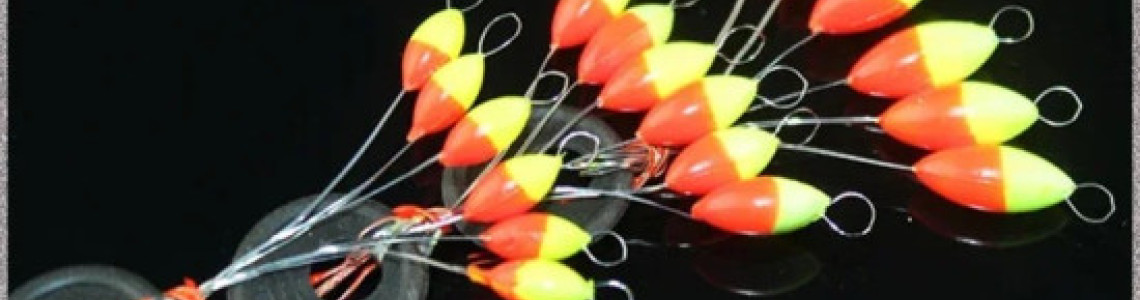
Guide to Fishing Floats, Sinkers, and Buoys for Improved Catch Rates in Kenya
Fishing floats, sinkers, and buoys are essential components of terminal tackle that control bait depth, visibility, and stability in Kenyan freshwater and saltwater fishing environments. When correctly selected, they improve strike detection, reduce gear loss, and increase catch efficiency for species such as Nile perch, tilapia, catfish, tigerfish, and coastal game fish.
Introduction: Terminal Tackle Expertise for Kenyan Waters
Terminal tackle performance in Kenya is shaped by diverse fishing conditions ranging from the strong UV exposure of inland lakes to the corrosive saltwater environment of the Indian Ocean. Maimun Fishing & Tackles Ltd has supported professional and recreational anglers across East Africa for decades by supplying technically tested floats, sinkers, and buoys suited for Lake Victoria, Lake Turkana, Mt. Kenya highland waters, and coastal fishing grounds. Understanding how to match terminal tackle to local conditions directly impacts presentation accuracy and long-term gear durability.
Why Terminal Tackle Matters in Kenyan Fishing
Quick Answer:
Terminal tackle determines how bait behaves underwater by controlling depth, drift, and bite indication. In Kenyan waters, correct float buoyancy, sinker weight, and corrosion resistance are critical for maintaining natural bait movement in variable currents, wind conditions, and water depths.
Terminal tackle connects the fishing line to bait or lures and directly affects strike sensitivity and hook-up success. In Lake Victoria, excessive line slack can reduce tilapia bite detection, while in coastal waters near Mombasa, inadequate sinker weight can cause bait to drift unnaturally under wave action. Properly balanced terminal tackle minimizes snags, stabilizes rigs, and ensures consistent presentation across inland and marine environments.
Types of Fishing Floats and Their Applications
Quick Answer:
Fishing floats suspend bait at a controlled depth while providing visual bite detection. Float selection depends on water depth, current strength, wind exposure, and target species common in Kenyan lakes, rivers, and dams.
Common Float Types and Uses
Float Type Depth Control Best Kenyan Applications Key Advantage Fixed Float Shallow to mid-depth Tilapia and catfish in lakes and small rivers Simple rigging and clear bite visibility Sliding Float Variable and deep water Nile perch and tigerfish in deep channels Adjustable depth without changing rig length Bubble Float Shallow water Small dams and calm rivers Lightweight and precise casting Stick Float Flowing water River fishing in moderate current Stability and sensitivity in moving water
| Float Type | Depth Control | Best Kenyan Applications | Key Advantage |
|---|---|---|---|
| Fixed Float | Shallow to mid-depth | Tilapia and catfish in lakes and small rivers | Simple rigging and clear bite visibility |
| Sliding Float | Variable and deep water | Nile perch and tigerfish in deep channels | Adjustable depth without changing rig length |
| Bubble Float | Shallow water | Small dams and calm rivers | Lightweight and precise casting |
| Stick Float | Flowing water | River fishing in moderate current | Stability and sensitivity in moving water |
In high-visibility conditions such as open waters in Naivasha or Turkana, float color contrast improves strike detection. UV-stabilized float materials are essential under the Nairobi sun to prevent brittleness and fading.
Types of Sinkers and Their Performance Characteristics
Quick Answer:
Sinkers control bait depth and stability by counteracting buoyancy and water movement. Kenyan anglers must match sinker shape and weight to current speed, bottom structure, and target species.
Common Sinker Types
Sinker Type Typical Weight Range Suitable Environment Primary Use Split Shot 0.5 g – 5 g Calm freshwater Fine depth adjustment for light rigs Egg Sinker 10 g – 60 g Rivers and channels Sliding rigs with reduced snagging Bank Sinker 40 g – 150 g Coastal and deep water Holding bait in strong current Pyramid Sinker 50 g – 120 g Sandy or muddy bottoms Anchoring bait in shifting substrates
| Sinker Type | Typical Weight Range | Suitable Environment | Primary Use |
|---|---|---|---|
| Split Shot | 0.5 g – 5 g | Calm freshwater | Fine depth adjustment for light rigs |
| Egg Sinker | 10 g – 60 g | Rivers and channels | Sliding rigs with reduced snagging |
| Bank Sinker | 40 g – 150 g | Coastal and deep water | Holding bait in strong current |
| Pyramid Sinker | 50 g – 120 g | Sandy or muddy bottoms | Anchoring bait in shifting substrates |
For anglers sourcing quality sinkers designed for consistent performance, selecting durable options from trusted suppliers such as those offering professionally graded sinkers ensures predictable rig behavior in both freshwater and saltwater conditions.
Buoys and Marker Floats in Kenyan Fishing Operations
Quick Answer:
Buoys and marker floats are used to identify gear locations, mark fishing zones, and stabilize longline or net setups. They are essential in both commercial and aquaculture fishing across Kenya.
Buoys are widely used in Lake Victoria to mark trap and net positions, reducing accidental gear loss. In aquaculture ponds, they help maintain net alignment and feeding zones. Coastal fishers rely on high-visibility buoys for drift fishing and longline management. Marine-grade buoy materials must resist salt corrosion and prolonged sun exposure to maintain structural integrity.
How to Choose the Right Terminal Tackle
Quick Answer:
Correct terminal tackle selection balances bait presentation, strike detection, and environmental resistance. Kenyan anglers must consider species behavior, water depth, current speed, and material durability.
Key considerations include:
Matching sinker weight to current strength and target species.
Selecting float size based on water visibility and wind exposure.
Using corrosion-resistant materials for coastal fishing.
Ensuring bait moves naturally without excessive tension or drag.
Professionally matched accessories from trusted fishing suppliers, including well-balanced fishing accessories, improve consistency and reduce equipment fatigue.
Freshwater Versus Saltwater Applications
Quick Answer:
Freshwater fishing relies on lighter terminal tackle for sensitivity, while saltwater environments require heavier, corrosion-resistant components for stability and durability.
Comparison Table
Feature Freshwater Saltwater Float Size Small to medium Medium to large Sinker Weight Light to moderate Heavy Material Priority Sensitivity Corrosion resistance Common Species Tilapia, Nile perch, catfish Snapper, trevally, barracuda
| Feature | Freshwater | Saltwater |
|---|---|---|
| Float Size | Small to medium | Medium to large |
| Sinker Weight | Light to moderate | Heavy |
| Material Priority | Sensitivity | Corrosion resistance |
| Common Species | Tilapia, Nile perch, catfish | Snapper, trevally, barracuda |
Inland anglers often focus on finesse and strike sensitivity, while coastal setups prioritize holding power and long-term resistance to salt exposure.
Common Terminal Tackle Mistakes to Avoid
Quick Answer:
Most performance issues stem from incorrect weight selection, poor visibility, and lack of maintenance, especially after saltwater use.
Common errors include using sinkers that overpower bait movement, selecting floats that blend into surface glare, and failing to rinse terminal tackle after marine fishing. Proper storage and inspection significantly extend equipment lifespan and reliability.
Recommended Terminal Tackle Categories from Maimun Fishing & Tackles Ltd
Professional anglers and hobbyists can source complete terminal tackle solutions from Maimun Fishing & Tackles Ltd, including:
Core setups available under fishing gear collections for inland and marine applications
Precision rig components within the fishing accessories range
Visibility-enhancing float systems such as the 7 Stars floats line group
Durable support materials including commercial-grade netting solutions
Each category supports consistent bait control, depth accuracy, and long-term performance in Kenyan fishing conditions.
Frequently Asked Questions
How do I choose the correct sinker weight for Lake Victoria?
Sinker weight should counteract wind and current without restricting bait movement. Moderate egg or split shot sinkers are effective for most Nile perch and tilapia rigs.
Are plastic floats suitable for saltwater fishing?
Only UV-stabilized and marine-grade plastics should be used in coastal environments to prevent cracking and water absorption.
How often should terminal tackle be replaced?
Replacement depends on exposure. Saltwater gear should be inspected after each trip, while freshwater tackle can last multiple seasons with proper care.
Can the same floats be used for aquaculture ponds?
Yes, provided they offer sufficient visibility and buoyancy for shallow, controlled environments.
Store, Delivery, and Logistics Information
Maimun Fishing & Tackles Ltd supplies terminal tackle across Kenya with reliable logistics support.
Delivery coverage includes Meru, Voi, Nyeri, Kisumu, Bungoma, Malindi, Kericho, Kitale, Thika, Nakuru, and Mombasa. Same-day delivery is available within Nairobi, with next-day service to most regional towns.
Leave a Comment